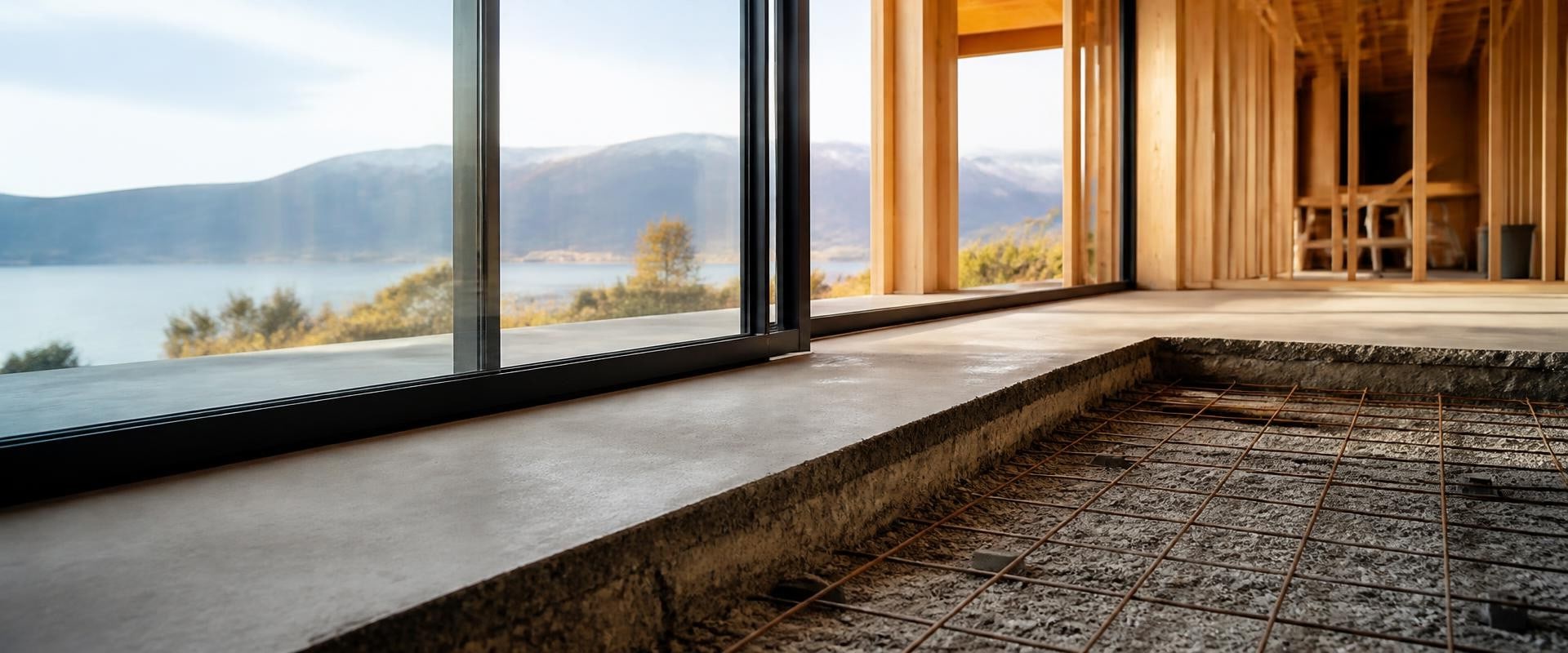
Large glass features can dramatically improve the appearance of a home or commercial property by creating brighter interiors, wider views, and a more open architectural style. Oversized windows, sliding glass walls, glass doors, and floor-to-ceiling panels, however, depend on precise structural support. If the foundation beneath the building is settling unevenly or shifting, these installations may become difficult to align and could experience stress over time. Evaluating foundation stability before installing major glass features helps ensure that the openings, framing, and surrounding structure provide a dependable base for the new materials.
Understand How Movement Affects Glass Openings
Glass is rigid and generally less forgiving of structural movement than many other building materials. When a foundation shifts, walls and framing can move slightly out of square. This may cause window and door openings to become uneven, creating pressure on frames or making large glass panels harder to install correctly. Professionals such as Bats Foundation Repair San Antonio may evaluate structural movement before a major renovation so property owners can determine whether foundation concerns should be addressed before new glass systems are installed.
Check Doors and Windows for Existing Misalignment
Existing doors and windows can provide useful clues about structural conditions. Sticking doors, windows that no longer open smoothly, uneven gaps around frames, or cracks near openings may indicate that parts of the building have shifted. These symptoms do not automatically confirm a serious foundation problem, but they can justify closer inspection before expanding an opening or replacing smaller windows with heavier glass features. Correcting structural movement first can help contractors create more accurate measurements for new installations.
Consider the Weight of Large Glass Panels
Large glass systems can add significant weight to walls, floors, and supporting framing. Structural engineers and contractors may need to determine whether headers, beams, columns, or surrounding framing require reinforcement. If the foundation has already experienced settlement, additional loads should be considered carefully. Installing a heavy glass wall without understanding how its weight will be transferred through the structure may increase stress on vulnerable areas.
Complete Foundation Repair Before Final Measurements
Custom glass products are often manufactured to precise dimensions, leaving limited room for unexpected changes in the surrounding opening. If foundation repair involves lifting or stabilizing portions of the building, the shape and alignment of walls may change slightly. For this reason, final measurements for custom glass may be more accurate after necessary structural work has been completed. This can reduce the risk of ordering panels based on dimensions that later change.
Address Moisture and Drainage Concerns
Foundation conditions and moisture management often go hand in hand. Poor drainage can contribute to soil movement, while improperly sealed glass features may introduce additional moisture concerns. Before installation, contractors should review flashing, waterproofing, exterior grading, and drainage around the proposed opening. Keeping water away from vulnerable structural areas can help protect both the foundation and the glass installation.
Coordinate Contractors Carefully
Projects involving large glass features may require collaboration between foundation specialists, structural engineers, general contractors, framers, and glass installers. Communication between these professionals can help establish the correct sequence of work. Structural stabilization should typically occur before framing adjustments, final measurements, and glass installation when foundation movement is involved.
Protect the Investment in New Glass Features
Large glass installations can represent a substantial investment, so installing them on a stable structure is important for long-term performance. By evaluating foundation conditions, correcting movement when necessary, reinforcing structural openings, and taking final measurements after stabilization, property owners can reduce the risk of alignment problems and unnecessary rework. A stable foundation ultimately provides a stronger starting point for large glass features that are designed to remain secure, functional, and visually appealing for years.