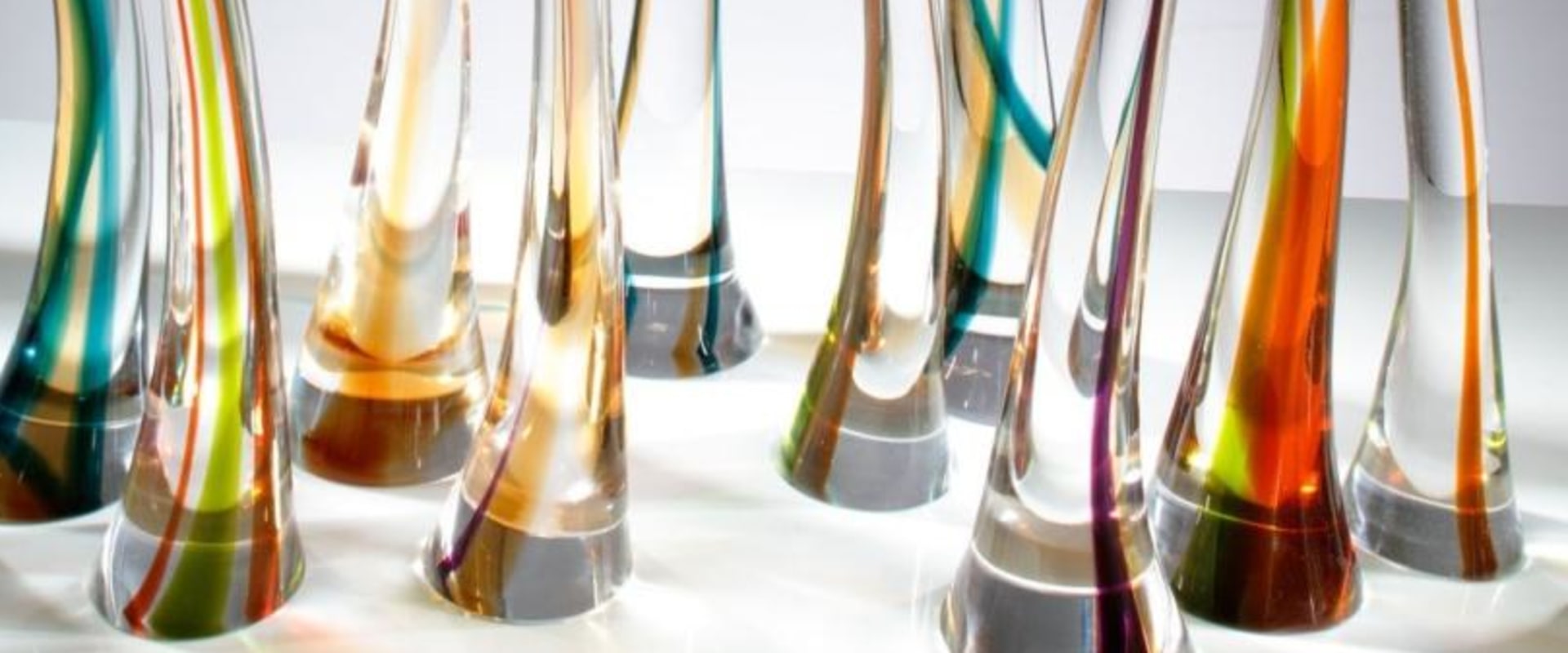
Glass works represent a fascinating intersection of art and craftsmanship, where the fluidity of molten glass transforms into stunning creations. This medium has a rich history that dates back thousands of years, evolving from functional items to intricate pieces of art. The term glass works encompasses a wide range of techniques and styles, including glassblowing, casting, and stained glass, each contributing to the diverse landscape of glass art.The significance of glass works extends beyond mere aesthetics; it plays a crucial role in various industries, from architecture to fine art. Artists and craftsmen have harnessed the unique properties of glass to create both practical objects and elaborate sculptures that captivate the imagination.
The versatility of glass allows for endless possibilities in design, making it a favored medium among contemporary artists. As we delve deeper into the world of glass works, it becomes essential to understand how color influences this art form. Color not only enhances the visual appeal but also affects the emotional response elicited by each piece. From vibrant hues to subtle shades, the application of color in glass works can transform an ordinary object into an extraordinary statement piece. This exploration will reveal how color serves as a vital element in defining the character and impact of glass art.
The Science of Color in Glass
The science of color in glass works is a fascinating interplay of chemistry and artistry.At its core, the color of glass is determined by the pigments and materials used during the manufacturing process. These pigments can be natural or synthetic, and they interact with light in unique ways to produce a wide spectrum of hues.
Color Theory in Glass
- Additive Color Mixing: This occurs when different colored lights are combined. In glass works, this is less common but can be seen in techniques like layering colored glass.
- Subtractive Color Mixing: This is the primary method used in glass making. Here, pigments absorb certain wavelengths of light while reflecting others, resulting in the visible color.
For example, adding cobalt oxide will yield a deep blue hue.
- Soda-lime glass: The most common type of glass, which can be colored using metal oxides.
- Borosilicate glass: Known for its durability, it can also be colored with specific pigments that withstand high temperatures.
- Lead glass: Often used in fine glassware, it can achieve brilliant colors due to the high refractive index and the addition of lead oxide.
Historical Perspectives on Color in Glass Works
The use of color in glass works has a rich and varied history that dates back to ancient civilizations.The earliest known examples of colored glass can be traced to the Mesopotamians around 2500 BCE, who created small glass beads using natural minerals to achieve vibrant hues. This early experimentation laid the groundwork for the intricate glass-making techniques that would follow.In ancient Egypt, colored glass became a symbol of wealth and power. Artisans developed methods to incorporate metal oxides into their glass mixtures, resulting in stunning shades of blue, green, and amber. These colors were not merely decorative; they held significant cultural and religious meanings.
For instance, blue glass was often associated with the Nile River and its life-giving properties.The Roman Empire further advanced the art of colored glass, introducing techniques such as mosaic glass and cased glass. Roman artisans skillfully layered different colors to create intricate patterns and designs, showcasing their mastery of the medium. This period also saw the emergence of glassblowing, which allowed for greater experimentation with color and form.As we move into the Middle Ages, the use of color in glass works evolved significantly with the advent of stained glass windows in cathedrals. These windows not only served a decorative purpose but also conveyed biblical stories to an illiterate populace through vibrant imagery and color symbolism.The Renaissance marked a turning point in the evolution of colored glass.
Venetian glassmakers on the island of Murano became renowned for their ability to produce brilliant colors and intricate designs. They utilized new techniques such as lattimo, a type of opaque white glass that could be colored in various shades, further expanding the palette available to artists.In modern times, the role of color in glass works continues to evolve with advancements in technology and materials. Contemporary artists experiment with synthetic pigments and innovative techniques, pushing the boundaries of what is possible in colored glass. This historical journey not only highlights the artistic significance of color but also reflects cultural shifts and technological advancements throughout time.
Cultural Significance of Color in Glass Art
The cultural significance of color in glass works is profound, as different cultures attribute unique meanings and symbolism to various colors.This not only enhances the aesthetic appeal of glass art but also conveys deeper messages and narratives.For instance, in many Western cultures, the color blue often symbolizes tranquility and peace. Artists may use blue glass to evoke a sense of calmness or to represent water, which is a common theme in glass art. Conversely, in some Eastern cultures, blue can signify sadness or mourning, showcasing how the same color can have contrasting meanings based on cultural context.
Symbolism in Glass Art
Colors in glass art are not merely decorative; they carry significant symbolic meanings. Here are a few examples:- Red: Often associated with passion and love, red glass can be used to create striking pieces that evoke strong emotions.
- Green: This color is frequently linked to nature and renewal.
In many cultures, green glass represents fertility and growth.
- Yellow: Symbolizing joy and optimism, yellow glass can brighten a space and uplift spirits.
Techniques for Achieving Color in Glass Works
Color plays a pivotal role in the aesthetic appeal of glass works, and artisans employ various techniques to achieve vibrant hues and intricate patterns.Understanding these methods is essential for aspiring glass artists looking to enhance their creations.
Layering
One of the most common techniques is layering, where different colors of glass are stacked or fused together. This method allows for the creation of depth and complexity in the final piece. By using transparent and opaque layers, artists can manipulate light to produce stunning visual effects. For instance, a layer of clear glass over a colored base can create a sense of luminosity.Fuming
Fuming is another innovative technique that involves vaporizing metal compounds, such as gold or silver, and applying them to the surface of hot glass.This process results in a thin metallic layer that can impart rich colors and unique iridescent qualities. The fuming technique is particularly popular in the creation of decorative glass pieces, where subtle shifts in color can enhance the overall design.
Using Colored Glass Rods
Artisans also utilize colored glass rods, which are pre-manufactured glass pieces available in various colors. These rods can be melted and incorporated into larger works, allowing for precise control over color placement. This method is especially useful in techniques like lampworking, where fine details are crucial.Other Techniques
- Staining: This involves applying a stain to the surface of the glass, which can create a translucent effect.
- Enameling: A technique where powdered glass is applied to the surface and then fired, resulting in vibrant colors that bond with the glass.
- Blending: Mixing different colored glasses before melting them together can yield unique shades and patterns.
Each method offers distinct advantages, allowing for endless possibilities in the world of glass works.
The Role of Color in Contemporary Glass Art
In the realm of contemporary glass art, color plays a pivotal role in defining the aesthetic and emotional impact of each piece. Modern artists are increasingly experimenting with color to push the boundaries of traditional glass works, creating vibrant, dynamic pieces that captivate audiences.One of the most notable trends in modern glass art is the use of bold, saturated colors. Artists like David Chihuly have popularized this approach, using vivid hues to create large-scale installations that evoke a sense of wonder and excitement. The interplay of light and color in his works transforms spaces, inviting viewers to experience the art from multiple perspectives.Another significant trend is the incorporation of layering techniques.Artists such as Jiyong Lee utilize layers of colored glass to create depth and complexity in their pieces. This method not only enhances the visual appeal but also allows for a more nuanced exploration of themes such as memory and perception.
Innovative glass artists
are also embracing technology to expand their color palettes. Techniques like 3D printing and digital design enable creators to experiment with gradients and patterns that were previously unattainable. This fusion of technology and artistry is reshaping how color is perceived in glass works, making it more accessible and diverse.The contemporary use of color in glass art is not just about aesthetics; it often carries deeper meanings.For instance, artists may choose specific colors to convey emotions or cultural narratives, adding layers of significance to their work. This thoughtful approach resonates with audiences, fostering a connection between the viewer and the artwork.As we look towards the future, it is clear that color will continue to be a driving force in glass works. The ongoing exploration of new materials and techniques promises to further enrich this vibrant field, ensuring that contemporary glass art remains a dynamic and evolving medium.
FAQs About Color in Glass Works
Color plays a pivotal role in glass works, influencing both aesthetic appeal and functionality. Here are some frequently asked questions regarding color in glass art:What are the common methods for adding color to glass?
There are several techniques used to introduce color into glass:- Metal Oxides: Adding metal oxides during the melting process can create vibrant colors.
For example, cobalt oxide produces blue, while iron oxide can yield green or amber hues.
- Staining: This method involves applying a colored stain to the surface of the glass, which can enhance its appearance without altering the base material.
- Frits: These are small pieces of colored glass that can be melted into the main glass body, allowing for intricate designs and patterns.
Are there misconceptions about colored glass?
Yes, several misconceptions exist regarding colored glass:- All colored glass is the same: Many believe that all colored glass is created equal; however, variations in materials and techniques can lead to significant differences in quality and appearance.
- Color affects durability: Some assume that adding color compromises the strength of the glass. In reality, when done correctly, color can be integrated without affecting structural integrity.
How does light interact with colored glass?
The interaction of light with colored glass is crucial for its visual impact. The way light passes through or reflects off the surface can enhance or alter the perceived color. For instance, translucent colored glass allows light to filter through, creating a soft glow, while opaque glass reflects light more directly, resulting in a bolder appearance.Understanding these aspects of color in glass works not only enriches appreciation for this art form but also informs potential buyers and collectors about what to look for when selecting pieces.Conclusion: The Lasting Impact of Color on Glass Works
In conclusion, the role of color in glass works is multifaceted, influencing not only the visual appeal but also the cultural significance of these artistic creations.Throughout this article, we have explored how color can transform a simple piece of glass into a captivating work of art, evoking emotions and telling stories that resonate with viewers.The use of color in glass works is not merely an aesthetic choice; it is deeply rooted in historical and cultural contexts. For instance, ancient civilizations utilized specific colors to symbolize power, spirituality, or status. Today, artists continue to draw inspiration from these traditions while also experimenting with modern techniques to create innovative color palettes.
- Aesthetic Enhancement: Color enhances the beauty of glass pieces, making them more desirable for collectors and enthusiasts.
- Cultural Significance: Different colors can carry various meanings across cultures, adding layers of interpretation to glass works.
- Emotional Impact: Colors can evoke specific feelings, allowing artists to connect with their audience on a deeper level.
This unique characteristic sets glass apart from other art forms and highlights its versatility.Ultimately, the significance of color in glass works extends beyond mere decoration; it is an essential element that enriches the narrative and emotional depth of each piece. As we continue to appreciate and explore the world of glass art, understanding the role of color will enhance our appreciation for these remarkable creations.