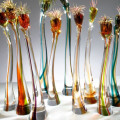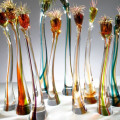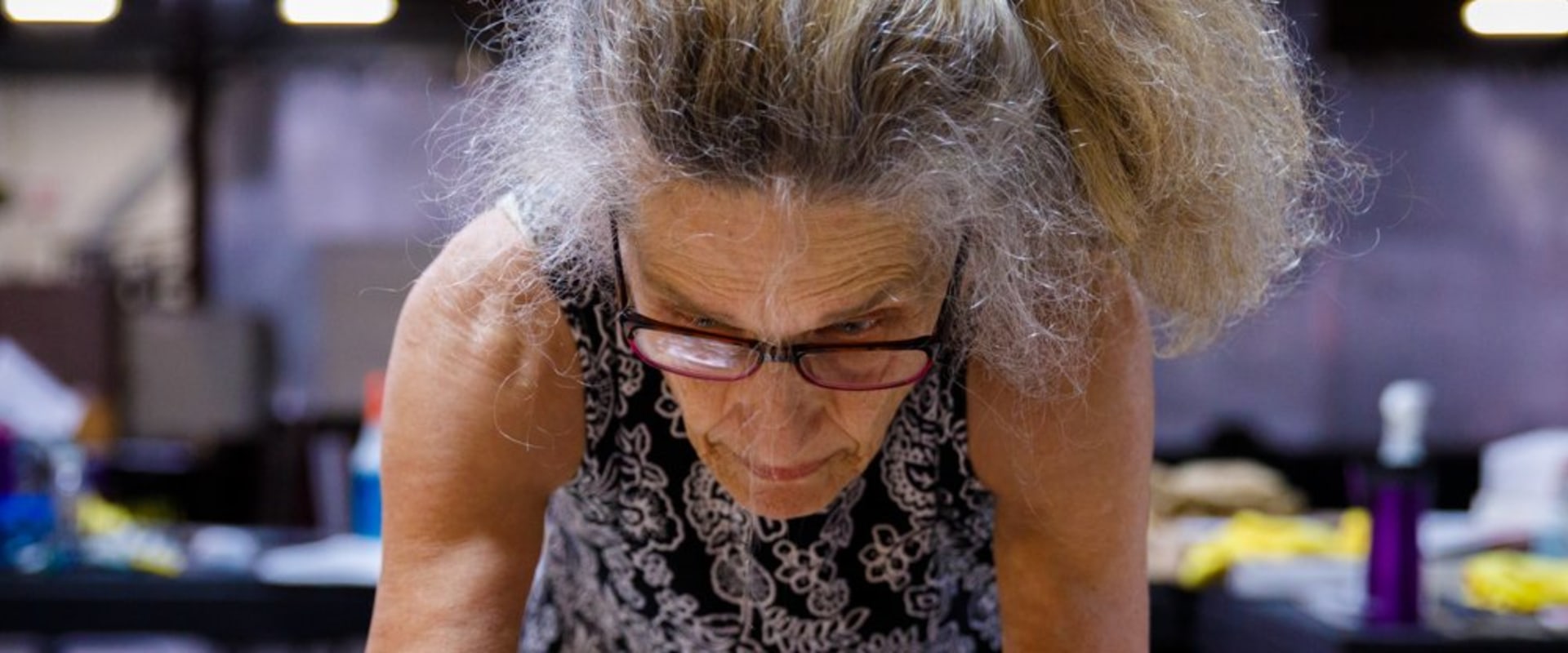
Fused glass art is a captivating form of glass works that combines creativity with the science of glass manipulation. This unique art form involves layering pieces of glass and then heating them in a kiln until they fuse together, creating stunning visual effects and intricate designs. The process not only showcases the vibrant colors and textures of glass but also allows artists to explore their imagination, resulting in one-of-a-kind pieces that can range from functional items like bowls and plates to decorative sculptures.The appeal of fused glass lies in its versatility and the endless possibilities it offers. Artists can experiment with different types of glass, including transparent, opaque, and iridescent varieties, to achieve diverse effects.
Additionally, the ability to incorporate other materials such as metals or ceramics enhances the creative potential, making each piece a true reflection of the artist's vision. This fusion of art and technique not only captivates collectors but also invites viewers to appreciate the intricate beauty of glass.As we delve deeper into the process of creating fused glass works, it becomes clear that this art form is not just about aesthetics; it is also about understanding the properties of glass and how they interact under heat. From selecting the right materials to mastering kiln temperatures, each step is crucial in achieving the desired outcome. Join us as we explore the fascinating journey of transforming raw glass into exquisite art pieces through the art of fusion.
Materials Needed for Fused Glass Works
Creating stunning fused glass works requires a variety of materials and tools to ensure the best results.Understanding these components is crucial for both beginners and experienced artists alike.
Essential Fused Glass Materials
- Glass Types: The primary material for fused glass works is, of course, glass. There are several types to choose from:
- COE 90 Glass: This is the most common type used in fused glass projects. It has a coefficient of expansion of 90, making it compatible with other COE 90 glasses.
- COE 96 Glass: Another popular choice, COE 96 glass is known for its vibrant colors and clarity. It is often used in more intricate designs.
- Recycled Glass: For eco-conscious artists, recycled glass can be a sustainable option.
It adds unique textures and colors to your work.
- Glass Frit: This is crushed glass that comes in various sizes and colors. Frit can be used to create textures or as a decorative element in your fused glass pieces.
- Glass Stringers: Thin rods of glass that can be used to add detail or design elements to your work. They are perfect for creating lines or patterns.
Tools for Fused Glass
- Saw and Cutter: A glass cutter or saw is essential for shaping your glass pieces before fusing. A score-and-snap cutter is ideal for straight cuts, while a wet saw can handle more complex shapes.
- Safety Gear: Always prioritize safety by wearing protective eyewear and gloves when working with glass to prevent injuries.
- Kiln: A kiln is necessary for fusing the glass together.
Make sure to choose one that can reach the required temperatures for the type of glass you are using.
- Kiln Shelf and Posts: These are used inside the kiln to support your glass pieces during the fusing process, preventing them from sticking to the kiln floor.
The Fused Glass Creation Process
Creating fused glass works is a captivating process that combines artistry with technical skill. The journey begins with the initial design, where artists conceptualize their piece, considering colors, shapes, and textures. This stage is crucial as it sets the foundation for the entire project.Step 1: Gathering Materials
The first step in the fused glass process involves selecting the right materials.Artists typically use various types of glass, including float glass, stained glass, and bullseye glass. Each type has unique properties that affect the final outcome. Additionally, tools such as glass cutters, grinders, and safety equipment are essential for a successful creation.
Step 2: Cutting and Shaping
Once the materials are gathered, the next step is cutting the glass into desired shapes. This requires precision and skill to ensure clean edges.Artists often use a glass cutter to score the glass before breaking it along the score line. After cutting, pieces may be ground to smooth out sharp edges.
Step 3: Layering and Arrangement
After shaping, artists arrange the glass pieces on a kiln shelf. This arrangement is vital as it determines how the colors will interact during firing. Artists may layer different colors or textures to create depth and visual interest.Step 4: Firing in the Kiln
The arranged glass is then placed in a kiln for firing.The temperature and duration of firing depend on the desired effect; typically, temperatures range from 1400°F to 1600°F. During this process, the glass melts and fuses together, creating a cohesive piece.
Step 5: Annealing
After firing, it’s crucial to allow the glass to cool slowly in a process called annealing. This step relieves internal stresses within the glass, ensuring durability and preventing breakage.Step 6: Finishing Touches
Once cooled, artists may add finishing touches such as polishing or adding additional elements like metal or paint. This final step enhances the overall aesthetic of the fused glass art.The entire process of creating fused glass works is both intricate and rewarding, allowing artists to express their creativity while mastering a unique craft.Designing Your Fused Glass Piece
Creating a stunning fused glass piece begins with a thoughtful design process.This stage is crucial as it sets the foundation for your artwork, allowing you to express your creativity while considering the technical aspects of glass fusion.
Color Selection
One of the most exciting parts of designing your glass works is choosing the colors. Here are some tips to guide you:- Understand Color Theory: Familiarize yourself with the color wheel. Complementary colors can create vibrant contrasts, while analogous colors offer a more harmonious look.
- Test Samples: Before committing to a color palette, create small test pieces. This allows you to see how different colors interact when fused.
- Consider Transparency: Remember that some glass is transparent while others are opaque.
Layering transparent glass can create depth and intrigue in your design.
Composition and Layout
The composition of your piece is equally important. Here are some strategies to consider:- Sketch Your Ideas: Start with rough sketches to visualize your design. This can help you plan the arrangement of colors and shapes.
- Balance and Symmetry: Think about how elements are distributed across your piece. A balanced composition can be visually appealing, while asymmetry can add dynamic interest.
- Incorporate Texture: Experiment with different glass types and techniques to add texture.
Textured surfaces can enhance the visual complexity of your work.
Firing Techniques in Fused Glass Art
Firing is a critical step in the creation of fused glass works, as it transforms raw glass into stunning, cohesive pieces. The process involves heating glass in a kiln to specific temperatures, allowing the pieces to melt and fuse together.Understanding the various firing techniques and temperature settings is essential for achieving the desired results.
Temperature Settings for Fused Glass
The temperature settings for firing fused glass can vary depending on the type of glass used and the desired outcome. Generally, the firing process can be broken down into three main stages:- Heating Phase: This phase gradually raises the temperature to prevent thermal shock. Typically, this phase reaches around 1,300°F (704°C).
- Soaking Phase: Once the desired temperature is reached, the kiln holds at this temperature for a specific duration. This allows the glass to fully melt and fuse.
Soaking times can range from 10 minutes to several hours, depending on the thickness of the glass.
- Cooling Phase: After soaking, the kiln must cool down slowly to avoid cracking. This phase can take several hours and is crucial for maintaining the integrity of the finished piece.
Kiln Firing Techniques
There are several kiln firing techniques that artists can employ to achieve different effects in their glass works. Some popular methods include:- Full Fuse: This technique involves heating glass until it completely melts together, creating a smooth surface.
- Tack Fuse: In this method, glass pieces are heated just enough to bond without losing their individual shapes, allowing for texture and dimension.
- Slumping: This technique shapes glass over a mold by heating it until it softens and takes on the mold's form.
Common Challenges and Solutions in Fused Glass Works
Creating fused glass works can be a rewarding yet challenging endeavor.Artists often encounter various issues during the process, but understanding these challenges and their solutions can significantly enhance the quality of the final product.
Common Issues in Fused Glass Works
- Cracking: One of the most frequent problems is cracking, which can occur due to thermal shock. This happens when glass is heated or cooled too quickly.
- Bubbles: Air bubbles trapped between layers of glass can mar the surface and affect the aesthetic appeal.
- Inconsistent Fusing: Sometimes, pieces may not fuse properly, leading to weak bonds or separation.
- Color Changes: Certain glass types may change color during firing, which can be unexpected for artists.
Troubleshooting Fused Glass Problems
To address these common issues, consider the following solutions:- Preventing Cracking: Always preheat your kiln and gradually increase the temperature. Use a controlled ramp rate to minimize thermal shock.
- Eliminating Bubbles: To reduce bubbles, ensure that glass pieces are clean and free from dust. Additionally, using a vacuum chamber before firing can help remove trapped air.
- Achieving Consistent Fusing: Regularly calibrate your kiln and monitor temperature with a reliable pyrometer.
Experiment with different firing schedules to find what works best for your specific glass type.
- Avoiding Color Changes: Test small samples of your glass before committing to larger projects. Familiarize yourself with how different colors react under heat.
Finishing Touches: Polishing and Displaying Your Work
After the intense process of creating your fused glass artwork, the final steps of polishing and displaying your piece are crucial for showcasing your creativity and craftsmanship. Proper finishing touches can elevate your work from good to stunning.Polishing Techniques
Polishing your glass works not only enhances their aesthetic appeal but also ensures a smooth finish that feels pleasant to the touch.Here are some effective techniques:
- Hand Polishing: Use a soft cloth or a felt wheel with a polishing compound specifically designed for glass. This method allows for precision and control, especially on intricate designs.
- Buffing Wheel: For larger pieces, a buffing wheel can save time and provide a high-gloss finish. Ensure you use the appropriate buffing pads to avoid scratching the surface.
- Sandblasting: This technique can create unique textures and patterns on your glass. It’s ideal for adding depth and character to your work.
Displaying Your Glass Art
The way you display your fused glass pieces can significantly impact their visual appeal.Here are some popular display options:
- Stands: Use clear acrylic or metal stands to elevate your artwork, allowing light to pass through and highlight its colors.
- Wall Mounts: For wall art, consider using shadow boxes or frames that complement the piece without overshadowing it.
- Shelves: Floating shelves can create an elegant display, allowing multiple pieces to be showcased together while maintaining a clean look.
Frequently Asked Questions about Fused Glass Works
Fused glass art is a captivating medium that often raises questions, especially for beginners. Here are some frequently asked questions about fused glass works that can help clarify the process and techniques involved.What is fused glass?
Fused glass is created by layering pieces of glass and then heating them in a kiln until they melt and fuse together. This process allows for a variety of textures, colors, and designs, making it a popular choice for both functional and decorative art.Is fused glass safe to use for food?
Yes, many fused glass pieces are safe for food use, but it’s essential to ensure that the glass is specifically labeled as food-safe.Additionally, avoid using pieces with metal inclusions or those that have not been properly annealed.
What tools do I need to start with fused glass?
- Glass cutter: Essential for cutting glass into desired shapes.
- Kiln: A specialized oven used to heat the glass to high temperatures.
- Safety gear: Always wear safety glasses and gloves when working with glass.
- Glass adhesive: Useful for assembling pieces before firing.
Can I use any type of glass for fusing?
No, it’s important to use compatible glass types, such as COE 90 or COE 96, which are designed for fusing. Using incompatible glasses can lead to cracking or breaking during the firing process.How long does it take to create a fused glass piece?
The time required can vary significantly based on the complexity of the design and the kiln schedule. Generally, the firing process can take anywhere from a few hours to several days, including cooling time.If you’re new to this art form, don’t hesitate to explore classes or workshops in your area. Engaging with experienced artists can provide invaluable insights and enhance your understanding of fused glass works.Conclusion: Embracing the Art of Fused Glass Works
In conclusion, the journey of creating fused glass works is not just about the technical process; it is an exploration of creativity and self-expression.Throughout this article, we have delved into the various stages involved in crafting these stunning pieces, from selecting the right materials to the intricate firing techniques that bring your vision to life.As you embark on your own fused glass art projects, remember that each step offers an opportunity to experiment and innovate. Whether you are a seasoned artist or a curious beginner, the world of fused glass is accessible and inviting. Here are some key takeaways to inspire your creative journey:
- Experiment with Colors: The beauty of fused glass lies in its vibrant colors. Don’t hesitate to mix and match different hues to create unique effects.
- Understand Your Materials: Familiarize yourself with various types of glass and their properties.
This knowledge will enhance your ability to manipulate them effectively.
- Practice Safety: Always prioritize safety when working with glass and kilns. Proper ventilation and protective gear are essential.
- Join a Community: Engaging with fellow artists can provide valuable insights and inspiration. Consider joining local workshops or online forums.
The world of fused glass awaits you!.