In the realm of interior design, the incorporation of glass works has emerged as a transformative element that enhances both aesthetics and functionality. From stunning glass sculptures to intricately designed decorative glass pieces, these works not only serve as focal points but also contribute to the overall ambiance of a space. The versatility of glass allows it to blend seamlessly with various design styles, making it a favored choice among designers and homeowners alike. Glass art, in particular, has gained significant traction in modern interiors, where its ability to reflect light and create an illusion of space can dramatically alter the perception of a room. Whether it’s a vibrant stained glass window that adds color and character or sleek glass partitions that promote openness while maintaining privacy, the applications are virtually limitless.
This unique material can evoke feelings of elegance and sophistication, making it an essential component in contemporary design. Moreover, decorative glass items such as vases, bowls, and wall art not only serve practical purposes but also act as conversation starters. They invite curiosity and admiration, enriching the experience of those who inhabit or visit a space. As we delve deeper into the world of glass works in interior design, we will explore how these elements can be thoughtfully integrated to elevate any environment, creating spaces that are not only beautiful but also deeply personal.
The Aesthetic Appeal of Glass Works
Glass works play a pivotal role in enhancing the aesthetic appeal of interior spaces, offering a unique blend of elegance and functionality. The versatility of glass allows it to be incorporated into various design styles, from modern minimalism to classic opulence.One of the most striking aspects of decorative glass is its ability to manipulate light.When strategically placed, glass elements can create stunning visual effects, casting colorful reflections and shadows that change throughout the day. This dynamic interaction with light not only brightens a space but also adds depth and dimension.
Popular Glass Decor Styles
- Stained Glass: Often used in windows and partitions, stained glass adds a touch of artistry and can serve as a focal point in any room.
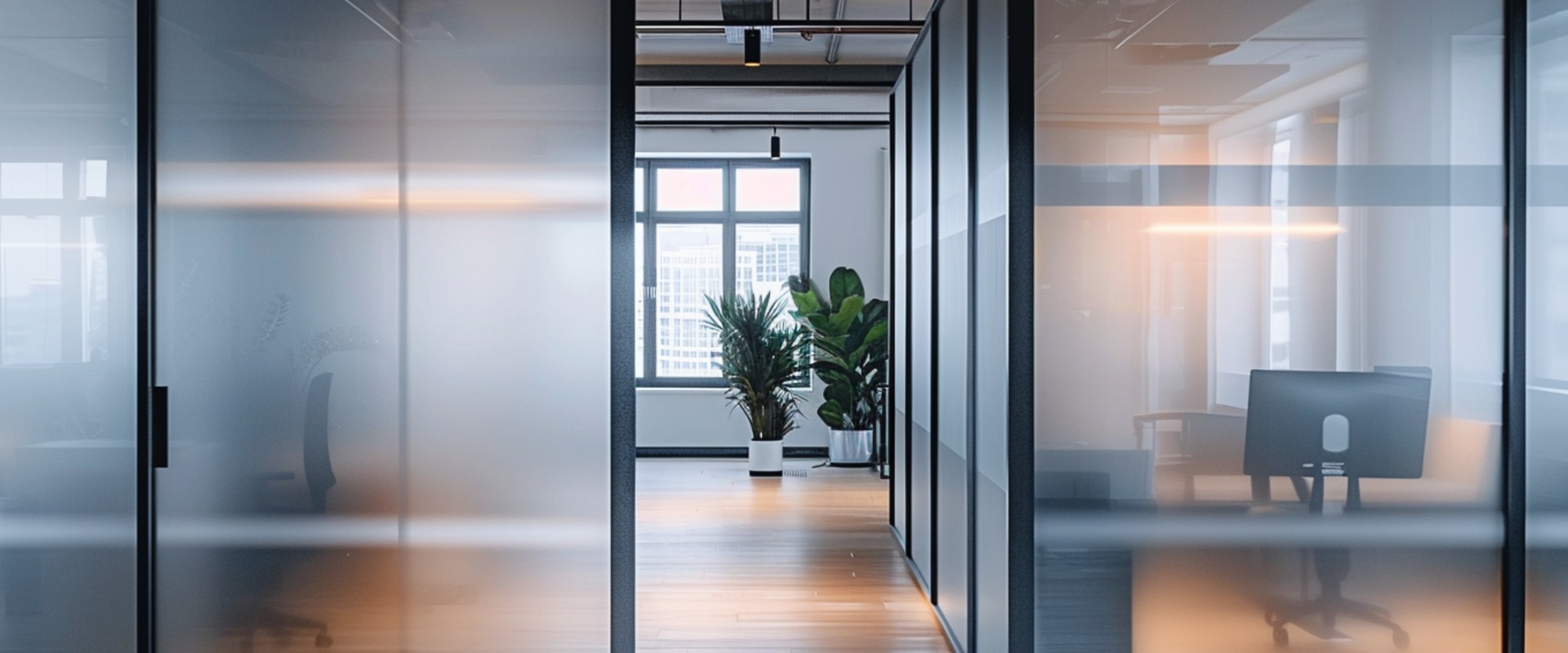
- Frosted Glass: This style provides privacy while still allowing light to filter through, making it ideal for bathrooms or office spaces.
- Clear Glass: Used in furniture and decor items, clear glass creates an illusion of space and can make smaller areas feel larger.
- Textured Glass: With its unique patterns, textured glass can add visual interest and tactile quality to surfaces.
Whether through the vibrant colors of stained glass or the sleek lines of modern clear glass, these elements contribute to a harmonious balance between beauty and functionality.
Functional Benefits of Glass Works in Interiors
Incorporating glass works into interior design offers a multitude of functional benefits that enhance both aesthetics and practicality. One of the most significant advantages is the ability of glass to maximize natural light. By using glass partitions, windows, or even glass doors, spaces can feel brighter and more open, reducing the need for artificial lighting during the day.Moreover, glass works can create an illusion of expanded space. In smaller rooms, reflective surfaces can make areas appear larger than they are.This is particularly beneficial in urban settings where space is often at a premium. The transparency of glass allows for a seamless flow between different areas, promoting a sense of continuity and openness.
- Durability: Glass is a robust material that can withstand wear and tear, making it a practical choice for high-traffic areas.
- Easy Maintenance: Glass surfaces are generally easy to clean and maintain, requiring only basic cleaning supplies to keep them looking pristine.
- Versatility: From decorative glass panels to functional shelving, the versatility of glass works allows for creative applications in various design styles.
Types of Glass Works Used in Interior Design
When it comes to interior design, the use of glass works can significantly enhance the aesthetic appeal and functionality of a space.Various types of glass works are employed, each offering unique characteristics and applications.
Stained Glass
Stained glass is a timeless art form that involves the use of colored glass pieces, often arranged in intricate patterns or images. This type of glass work is commonly used in windows, doors, and decorative panels. The vibrant colors and light-filtering properties of stained glass can create stunning visual effects, adding a sense of warmth and character to any room. Additionally, stained glass can serve as a focal point in a space, drawing attention and sparking conversation.Blown Glass
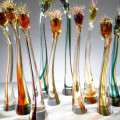
Blown glass is created by inflating molten glass into a bubble, which can then be shaped into various forms.This technique allows for a wide range of artistic expressions, from delicate vases to bold sculptures. In interior design, blown glass pieces are often used as decorative accents or functional items such as lighting fixtures. The unique shapes and textures of blown glass can add depth and interest to a room, making it feel more dynamic.
Etched Glass
Etched glass involves the process of creating designs on the surface of the glass through sandblasting or acid etching. This technique can produce subtle patterns or intricate designs that enhance privacy while still allowing light to pass through.Etched glass is frequently used in shower doors, room dividers, and decorative panels, providing both functionality and style. Its versatility makes it an excellent choice for modern interiors.In summary, the diverse types of glass works—including stained glass, blown glass, and etched glass—offer unique opportunities for enhancing interior spaces. By incorporating these elements into design schemes, homeowners and designers can create environments that are not only visually appealing but also rich in character and functionality.
Incorporating Glass Works into Various Design Styles
Incorporating glass works into various interior design styles can significantly enhance the aesthetic appeal and functionality of a space. Whether you are drawn to modern minimalism, traditional elegance, or eclectic charm, glass elements can seamlessly blend into your design vision.Glass Works in Modern Design
Modern design often emphasizes clean lines and open spaces, making glass works an ideal choice.Large glass panels, such as sliding doors or floor-to-ceiling windows, can create a sense of continuity between indoor and outdoor areas. Additionally, glass furniture pieces, like coffee tables or shelving units, contribute to a light and airy feel while maintaining a sleek appearance. Incorporating glass art pieces or sculptures can also serve as striking focal points that draw the eye without overwhelming the space.
Traditional Design with Glass
In traditional design, glass works can add a touch of sophistication and timelessness. Stained glass windows or decorative glass light fixtures can enhance the classic elements of a room.For instance, a beautifully crafted chandelier made of crystal or colored glass can serve as a stunning centerpiece in a dining room. Moreover, glass display cabinets can showcase heirlooms or fine china, marrying functionality with elegance.
Eclectic Styles with Glass
For those who embrace an eclectic style, glass works offer endless possibilities for creativity. Mixing different types of glass—such as frosted, etched, or colored—can create unique visual contrasts that reflect personal taste. Consider using mismatched glass vases or art pieces to add character to shelves or tables.Additionally, incorporating glass elements in unexpected ways, like a glass partition in a cozy nook or colorful glass tiles in a backsplash, can infuse energy and vibrancy into the overall design.Ultimately, the versatility of glass works allows them to complement any interior design style while enhancing the overall aesthetic and ambiance of a space.
Sustainability and Glass Works in Interior Design
In recent years, the focus on sustainability has become increasingly important in the realm of interior design.Glass works
play a pivotal role in this movement, offering a range of eco-friendly options that not only enhance aesthetic appeal but also promote environmental responsibility.Sustainable Glass Design
- Recycled Glass: One of the most significant contributions of glass works to sustainable design is the use of recycled glass. This material can be transformed into stunning tiles, countertops, and decorative elements, reducing the need for new raw materials and minimizing waste.
- Energy Efficiency: Glass is an excellent insulator when used correctly. High-performance glass can help maintain indoor temperatures, reducing energy consumption for heating and cooling.
- Durability: Glass is inherently durable and resistant to wear and tear.
This longevity means that glass products do not need to be replaced frequently, further decreasing their environmental impact over time.
Eco-Friendly Materials in Interiors
Incorporating eco-friendly materials into interior design is essential for creating sustainable spaces. Glass works complement other green materials such as bamboo, reclaimed wood, and natural fibers. The combination of these materials can create a harmonious environment that is both stylish and sustainable.
Recycling Glass for Decor
The practice of recycling glass extends beyond functional items; it also encompasses decorative elements. From glass sculptures to artistic installations, recycled glass can be transformed into unique pieces that serve as conversation starters while promoting sustainability.
Designers are increasingly using these materials to create bespoke items that reflect a commitment to eco-consciousness.In conclusion, the integration of glass works in interior design not only enhances visual appeal but also supports sustainable practices. By choosing recycled glass and combining it with other eco-friendly materials, designers can create beautiful spaces that are kind to the planet.
FAQs About Glass Works in Interior Design
When it comes to incorporating glass works into interior design, many homeowners and designers have questions about their functionality, aesthetics, and maintenance. Here are some frequently asked questions that can help clarify the role of glass in your living spaces.What are the best ways to use glass works in interiors?
- Decorative Accents: Glass vases, sculptures, and art pieces can serve as stunning focal points in any room.
- Functional Elements: Glass tables, shelves, and partitions can create an open feel while maintaining functionality.
- Lighting: Incorporating glass light fixtures or chandeliers can enhance the ambiance and add elegance.
- Windows and Doors: Large glass windows or sliding doors can maximize natural light and provide beautiful views.
How do I maintain glass decor?
Maintaining glass works is relatively straightforward, but it does require some attention to detail:- Regular Cleaning: Use a soft cloth and a gentle glass cleaner to avoid scratches. For larger pieces, a microfiber cloth can be effective.
- Avoid Harsh Chemicals: Steer clear of ammonia-based cleaners that can damage the surface of the glass.
- Handle with Care: When moving or cleaning glass items, ensure you handle them gently to prevent breakage.
- Check for Damage: Regularly inspect your glass decor for chips or cracks that may need professional repair.
Conclusion: The Lasting Influence of Glass Works on Interior Spaces
In conclusion, the integration of glass works into interior design is not merely a trend but a profound influence that enhances both aesthetics and functionality.Throughout this article, we have explored various aspects of how glass works can transform spaces, from their ability to create an illusion of openness to their role in reflecting light and color.One of the most significant contributions of glass works is their versatility. Whether it’s through stained glass windows that add a splash of color or sleek glass partitions that define spaces without sacrificing light, these elements can be tailored to fit any design style. This adaptability allows designers to incorporate glass in ways that align with the overall vision of a space, making it a valuable asset in both residential and commercial settings.Moreover, the use of glass works promotes sustainability. With advancements in technology, modern glass can be energy-efficient, helping to reduce heating and cooling costs while maintaining comfort.
This eco-friendly aspect resonates with the growing demand for sustainable design solutions.As we look to the future, the influence of glass works in interior design will likely continue to evolve. Innovations in glass technology, such as smart glass that can change opacity or color, promise to further enhance the functionality and appeal of interior spaces.Ultimately, incorporating glass works into interior design not only elevates the visual appeal but also enriches the user experience by creating environments that are both beautiful and practical. As designers and homeowners alike embrace these elements, we can expect to see a lasting impact on how we perceive and interact with our living and working spaces.