To truly appreciate the art of glass works, one must first understand the fundamental components that make up glass itself. At its core, glass is primarily composed of silica, which is derived from sand. This essential ingredient forms the backbone of glass, providing its structure and clarity. However, silica alone is not enough to create the versatile and functional glass products we see today.
To enhance its properties, other materials such as soda and lime are added. Soda lowers the melting point of silica, making it easier to work with, while lime acts as a stabilizer, ensuring that the glass remains durable and resistant to weathering.The interaction of these materials under heat is where the magic happens. When subjected to high temperatures, typically around 1700 degrees Celsius (3090 degrees Fahrenheit), the silica transforms into a molten state, allowing it to be shaped and molded into various forms. This process not only facilitates the creation of different types of glass but also influences their final characteristics.
For instance, adding different metal oxides can result in colored glass or alter its transparency.Understanding the composition of glass is crucial for anyone interested in glass works. It lays the groundwork for exploring how heat plays a pivotal role in manipulating these materials to create stunning pieces of art and functional items. As we delve deeper into this topic, we will uncover how temperature variations and specific techniques can lead to an array of textures, colors, and finishes in glass creations.
The Science of Heat in Glassmaking
The process of creating glass works is fundamentally rooted in the application of heat, which plays a crucial role in transforming raw materials into the beautiful and functional glass products we admire. Understanding the melting point of glass is essential for any glassmaker, as it dictates the temperature at which silica and other components begin to liquefy.Typically, the melting point of glass ranges from 1400°C to 1600°C (2552°F to 2912°F), depending on the specific formulation and additives used.When heat is applied, the thermal energy causes the molecules within the glass materials to vibrate more vigorously. As the temperature rises, these vibrations increase to a point where the rigid structure of solid silica breaks down, allowing it to flow and be shaped. This transformation is not merely a physical change; it also alters the thermal properties of glass, affecting its viscosity and workability.Once the glass reaches its molten state, it can be manipulated into various forms through techniques such as blowing, casting, or molding. The ability to control heat during this phase is vital; too much heat can lead to defects like bubbles or uneven thickness, while too little can result in a product that is difficult to shape.
- Viscosity: The viscosity of molten glass decreases with increasing temperature, making it easier to work with at higher temperatures.
- Annealing: After shaping, glass must be gradually cooled in a process called annealing.
This step relieves internal stresses that could lead to cracking.
- Thermal Shock Resistance: Different types of glass exhibit varying degrees of resistance to thermal shock, which is critical for applications involving sudden temperature changes.
The Glassblowing Process: Heat in Action
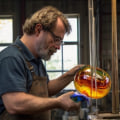
The glassblowing process is a fascinating art form that relies heavily on the application of heat at various stages. Understanding how heat influences each step can enhance appreciation for this intricate craft.Initially, the process begins with the preparation of raw materials, primarily silica sand, soda ash, and limestone. These ingredients are mixed and heated in a furnace at temperatures exceeding 2,000 degrees Fahrenheit.This intense heat transforms the solid materials into a molten glass, creating a viscous liquid that can be manipulated.Once the glass reaches the desired consistency, the glassblower uses a hollow pipe to gather a small amount of molten glass. At this stage, heat plays a crucial role in maintaining the glass's malleability. The glassblower must continuously rotate the pipe to ensure an even coating of glass while keeping it at a workable temperature.
Shaping the Glass
As the glass is gathered, it is essential to keep it heated. The glassblower often returns to the furnace or uses a glory hole, a secondary heating chamber, to reheat the glass as needed.This allows for shaping techniques such as blowing, swinging, or rolling on a smooth surface. Each technique requires precise control of temperature; too much heat can cause the glass to become overly fluid, while too little can make it brittle and difficult to shape.
Finishing Touches
After achieving the desired form, additional heating is necessary for finishing touches. This may include adding decorative elements or applying color. The glassblower may use tools like tweezers or shears to manipulate the hot glass further.Heat is critical here as well; it ensures that any additions fuse seamlessly with the main piece.Finally, once the piece is complete, it must undergo a controlled cooling process known as annealing. This involves placing the finished work in an annealer, where it cools slowly to relieve internal stresses caused by rapid temperature changes during shaping. Proper annealing is vital for ensuring durability and preventing cracks.In summary, heat is not just an element of the glassblowing process; it is an essential component that influences every aspect of creating stunning glass works. From melting raw materials to shaping and finishing pieces, understanding how to manipulate heat effectively is key to mastering this beautiful craft.
Different Techniques: How Heat Influences Glass Artistry
Creating glass works involves a variety of artistic techniques, each uniquely influenced by the application of heat.Understanding how heat interacts with glass is essential for artists looking to explore the full potential of this medium.
Fusing
Fusing is a popular technique where pieces of glass are layered and heated in a kiln until they melt together. The temperature typically ranges from 1,300°F to 1,500°F, allowing the glass to soften without losing its shape. This method enables artists to create intricate designs and patterns, as different colors and textures can be combined seamlessly. The control of heat is crucial; too much can lead to distortion, while too little may result in incomplete fusion.Casting
Casting involves pouring molten glass into a mold, where it cools and solidifies into the desired shape.This technique requires precise temperature management, often exceeding 2,000°F to ensure the glass flows smoothly into the mold. The cooling process is equally important; controlled cooling can prevent stress fractures and enhance the clarity of the finished piece. Artists often experiment with different molds and temperatures to achieve unique textures and finishes.
Slumping
Slumping is another technique that utilizes heat to shape glass. In this process, pre-formed glass is placed in a mold and heated to a temperature where it becomes pliable, typically around 1,200°F.As the glass softens, it conforms to the shape of the mold, creating functional items like bowls or plates. The slumping process allows for creative freedom, as artists can manipulate the glass's form while it is still warm.In summary, the role of heat in creating glass works cannot be overstated. Each technique—whether fusing, casting, or slumping—relies on precise temperature control to achieve desired artistic effects. By mastering these methods, artists can unlock new dimensions in their glass artistry.
Safety Considerations When Working with Heat and Glass
When engaging in glass works, understanding the safety considerations associated with heat is paramount.The process of glassmaking involves high temperatures that can pose significant risks if proper precautions are not taken. Here are some essential safety tips to keep in mind:
- Wear Protective Gear: Always wear appropriate personal protective equipment (PPE), including heat-resistant gloves, safety goggles, and long-sleeved clothing. This gear helps protect against burns and injuries from hot glass.
- Maintain a Clean Workspace: A clutter-free workspace minimizes the risk of accidents. Ensure that all tools and materials are organized and that flammable items are kept away from heat sources.
- Use Proper Tools: Invest in high-quality, heat-resistant tools designed for glassworking.
Using the right tools not only enhances your efficiency but also reduces the risk of accidents.
- Understand Heat Sources: Familiarize yourself with the different types of heat sources used in glassmaking, such as kilns and torches. Each has its own safety protocols, so ensure you understand how to operate them safely.
- Stay Alert: Always remain focused while working with hot glass. Distractions can lead to mistakes that may result in serious injuries.
- Have a Fire Extinguisher Nearby: In case of an emergency, having a fire extinguisher within reach is crucial. Ensure it is suitable for use on electrical and flammable materials.
If you start feeling dizzy or excessively hot, take a break and hydrate. Remember, safety should always be your top priority when working with heat in glass works.
Frequently Asked Questions About Heat and Glass Works
Understanding the role of heat in creating glass works is essential for both artists and enthusiasts. Here are some frequently asked questions that delve into this critical aspect of glassmaking:- How does heat affect the melting point of glass? The melting point of glass typically ranges from 1400°F to 1600°F (760°C to 870°C). The application of heat is crucial as it transforms raw materials like silica, soda, and lime into a molten state, allowing for shaping and manipulation.
- What types of heat sources are used in glassmaking? Glass artists often use various heat sources, including electric furnaces, gas-fired kilns, and even open flame torches.
Each method provides different levels of control over the temperature, which is vital for achieving specific effects in glass works.
- Why is temperature control important in glass art? Temperature control is paramount in glassmaking. Too much heat can lead to defects such as bubbles or uneven surfaces, while insufficient heat may result in incomplete melting. Artists must carefully monitor temperatures to ensure the desired outcome.
- Can heat be used to create textures in glass? Yes! By manipulating heat, artists can create various textures and patterns in their glass works. Techniques such as fuming, blowing, and casting all rely on precise temperature adjustments to achieve unique finishes.
- What happens during the annealing process? The annealing process involves gradually cooling the glass after it has been shaped.
This step is crucial as it relieves internal stresses caused by rapid temperature changes, ensuring the durability and integrity of the final piece.
Conclusion: The Indispensable Role of Heat in Glass Works
In conclusion, the role of heat in creating glass works cannot be overstated. Throughout this article, we have explored how heat serves as the fundamental force that transforms raw materials into stunning glass creations. From the initial melting of silica to the intricate shaping and finishing processes, heat is the driving factor that enables artisans to manipulate glass into both functional and artistic forms.One of the key points highlighted is the precise control of temperature required during various stages of glass production. For instance, achieving the right melting point is crucial for ensuring that the silica and other additives blend seamlessly.This meticulous attention to thermal dynamics not only affects the quality of the glass but also influences its color, clarity, and durability.Moreover, we discussed how different techniques, such as blowing, casting, and fusing, rely heavily on heat application. Each method requires specific temperature ranges to achieve desired results, showcasing the versatility of heat in glass works. The ability to manipulate heat allows artists to experiment with textures and forms, pushing the boundaries of traditional glassmaking.As we reflect on the importance of heat in this craft, it becomes clear that it is not merely a tool but an essential element that breathes life into glass. The interplay between heat and glass is a dance of science and art, where each creation tells a story shaped by temperature and technique.In summary, understanding the indispensable role of heat in glass works enriches our appreciation for this ancient craft.
Whether you are a seasoned artist or a curious enthusiast, recognizing how heat influences every aspect of glassmaking can inspire deeper engagement with this beautiful medium. We encourage you to share this knowledge with others who may be interested in exploring the fascinating world of glass art.