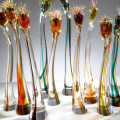
Glass works represent a fascinating intersection of art and craftsmanship, where creativity meets technical skill. This medium has evolved over centuries, transforming from simple utilitarian objects to intricate masterpieces that captivate audiences worldwide. The history of glass art dates back to ancient civilizations, where artisans first discovered the ability to manipulate silica and other materials into beautiful forms. From the stunning stained glass windows of medieval cathedrals to the contemporary sculptures that challenge our perceptions of space and light, glass works have played a significant role in artistic expression. Today, the world of glass art encompasses a variety of styles and techniques, each contributing to its rich tapestry.
Artists employ methods such as blowing, casting, fusing, and slumping to create everything from delicate vases to monumental installations. Each technique offers unique possibilities for texture, color, and form, allowing artists to push the boundaries of what is possible with this versatile medium. As we delve deeper into the intricacies of glass works, we will explore not only the various types of glass art but also the historical context that has shaped its development. The significance of glass works extends beyond mere aesthetics; it reflects cultural narratives and technological advancements throughout history. As we embark on this journey through the world of glass art, we will uncover how artists harness their skills and imagination to create stunning designs that resonate with viewers on multiple levels.
Understanding the evolution and diversity of glass works is essential for appreciating the complexity and beauty inherent in this captivating art form.
Techniques Used in Glass Artistry
Artists employ a variety of techniques to create intricate designs in their glass works, each method offering unique possibilities for expression and craftsmanship. Understanding these techniques can enhance appreciation for the artistry involved in glassmaking.Glass Blowing Techniques
Glass blowing is one of the most traditional and widely recognized methods in glass artistry. This technique involves inflating molten glass into a bubble using a blowpipe. Artists can manipulate the shape and size of the glass by controlling the airflow and using various tools.The process allows for the creation of complex forms, from delicate vases to large sculptures. Additionally, artists can incorporate color by adding metal oxides to the molten glass, resulting in stunning visual effects.
Glass Fusing Methods
Glass fusing is another popular technique that involves layering pieces of glass and heating them in a kiln until they fuse together. This method allows artists to create intricate patterns and textures by combining different colors and types of glass. The fusing process can also include the use of molds to shape the final piece, enabling a wide range of designs from functional items like plates to decorative art pieces.Artists often experiment with various temperatures and durations in the kiln to achieve desired effects, such as slumping or bending.
Engraving Glass Art
Engraving is a meticulous technique that adds depth and detail to glass works. Artists use tools like diamond-tipped engravers or sandblasters to carve intricate designs into the surface of the glass. This method allows for fine details that can enhance the overall aesthetic of a piece, making it visually striking. Engraved glass can be used for both decorative purposes and functional items, such as personalized gifts or awards. In conclusion, the techniques used in creating glass works are as diverse as the artists themselves.From glass blowing to fusing and engraving, each method contributes to the rich tapestry of glass artistry, allowing for endless creativity and innovation.
Materials and Tools for Glass Works
Creating intricate designs in glass works begins with selecting the right materials and tools. Artists often choose from a variety of glass types, each offering unique properties that influence the final outcome of their creations.Types of Glass Materials
- Borosilicate Glass: Known for its durability and resistance to thermal shock, borosilicate glass is favored by many artists for its versatility. It is ideal for both functional and decorative pieces.
- Soda-Lime Glass: This is the most common type of glass used in art. It is easier to work with and can be melted at lower temperatures, making it suitable for beginners.
- Fused Glass: Artists often use fused glass to create layered designs.
This technique involves melting pieces of glass together in a kiln, allowing for intricate patterns and textures.
- Crystal Glass: Renowned for its clarity and brilliance, crystal glass is often used in high-end art pieces. Its composition allows for detailed cutting and engraving.
Essential Tools for Glass Art
The right tools are crucial for achieving precision in glass works. Here are some essential tools that artists commonly use:- Glass Cutters: These tools allow artists to score the glass before breaking it along the line, enabling clean cuts.
- Kilns: A kiln is essential for fusing and annealing glass. It provides controlled heating to ensure that the glass melts evenly without defects.
- Tweezers and Pliers: These tools help manipulate small pieces of glass, especially when working on intricate designs.
- Sanding Tools: Sanding pads or belts are used to smooth edges and refine shapes, ensuring a polished finish on the final piece.
For aspiring artists, familiarizing themselves with these elements is a vital step towards mastering the art of glassmaking.
Inspiration Behind Glass Designs
Artists often draw inspiration for their glass works from a myriad of sources, each contributing to the intricate designs that characterize their creations. One of the most profound influences is nature. The vibrant colors of flowers, the delicate patterns of leaves, and the fluidity of water can all be translated into stunning glass art. For instance, a glass artist might replicate the iridescence of a butterfly's wings or the swirling patterns found in ocean waves, using these natural elements as a foundation for their work.Another significant source of inspiration comes from cultural influences.Different cultures have unique artistic traditions that can shape an artist's approach to glass design. For example, Venetian glassmakers are renowned for their elaborate techniques and historical motifs, while Japanese artists may focus on simplicity and harmony with nature. By incorporating these cultural elements, artists not only pay homage to their heritage but also create pieces that resonate with a broader audience.Personal experiences also play a crucial role in shaping an artist's vision. Many artists channel their emotions, memories, and life stories into their glass works.
This personal touch can manifest in various ways, from the choice of colors that evoke specific feelings to the themes that reflect significant life events. For instance, an artist might create a series of pieces inspired by their travels, capturing the essence of different landscapes and cultures through glass.In summary, the inspiration behind intricate glass designs is multifaceted, encompassing elements from nature, cultural backgrounds, and personal narratives. This rich tapestry of influences not only enhances the aesthetic appeal of glass art but also deepens its emotional resonance with viewers.
The Role of Technology in Modern Glass Art
In the realm of glass works, technology has become a transformative force, enabling artists to push the boundaries of creativity and precision. The integration of digital tools has revolutionized the way glass artists conceptualize and execute their designs.Digital Design Tools
- 3D Modeling Software: Programs like Rhino and Blender allow artists to create intricate 3D models of their glass pieces before any physical work begins.
This not only aids in visualizing the final product but also helps in identifying potential structural issues.
- Laser Cutting: Laser technology has made it possible to achieve precise cuts and engravings on glass surfaces. This technique allows for detailed patterns and designs that would be nearly impossible to replicate by hand.
- Computer Numerical Control (CNC) Machines: CNC machines automate the cutting and shaping process, providing consistent results and enabling artists to focus on more complex design elements.
Modern Techniques in Glass Works
The advent of technology has also introduced innovative techniques that enhance the artistic process:
- Kiln Forming: This method involves heating glass in a kiln to shape it into desired forms. Artists can experiment with different temperatures and materials, leading to unique textures and colors.
- Glass Blowing with Digital Assistance: While traditional glass blowing remains an art form, modern tools such as temperature sensors and digital thermometers help artists maintain optimal conditions for shaping glass, resulting in higher quality pieces.
- Augmented Reality (AR): Some artists are now using AR to visualize their designs in real-world settings before creating them. This technology allows for a more interactive design process, enabling clients to see how a piece will look in their space.
As artists continue to embrace these advancements, the future of glass works promises to be as dynamic as it is beautiful.
Challenges Faced by Glass Artists
Creating intricate designs in glass works is a rewarding yet challenging endeavor for artists. The process involves various technical and artistic hurdles that can test even the most skilled craftsmen.Technical Challenges
One of the primary challenges faced by glass artists is the temperature control. Glass must be heated to specific temperatures to become malleable, and even slight deviations can lead to cracks or bubbles. This requires not only precision but also a deep understanding of the materials being used.Material Limitations
The choice of glass itself can pose difficulties.Different types of glass have varying properties, such as thermal expansion and viscosity, which can affect how they behave during the heating and cooling processes. Artists must experiment with different materials to find the right combination that allows for intricate designs without compromising structural integrity.
Design Complexity
Another significant challenge is the complexity of the designs. Creating detailed patterns often requires multiple layers and techniques, such as fusing, blowing, or casting. Each technique has its own set of challenges, and mastering them takes years of practice.Overcoming Obstacles
To overcome these obstacles, many artists invest in continuous education and training.Workshops and mentorship programs provide invaluable insights into advanced techniques and troubleshooting methods. Additionally, building a supportive community can help artists share experiences and solutions to common problems. Ultimately, while the challenges in creating intricate designs in glass works are significant, they also serve as opportunities for growth and innovation. By embracing these difficulties, artists can push the boundaries of their craft and create stunning pieces that captivate audiences.
Showcasing Intricate Glass Works: Exhibitions and Galleries
Experiencing intricate glass works in person can be a transformative experience, allowing viewers to appreciate the skill and creativity that goes into each piece. Numerous exhibitions and galleries around the world are dedicated to showcasing the beauty of glass art.Notable Glass Art Exhibitions
- The Corning Museum of Glass in New York is renowned for its extensive collection and hosts various exhibitions that highlight both historical and contemporary glass works.
- Sculpture by the Sea, held annually in Australia, features stunning glass sculptures along coastal walkways, merging natural beauty with artistic expression.
- Glass Art Society Annual Conference brings together artists, collectors, and enthusiasts to celebrate glass art through exhibitions, lectures, and demonstrations.
Galleries Showcasing Glass Works
- Habatat Galleries, with locations in Michigan and Florida, is one of the leading galleries specializing in contemporary glass art, featuring works from both established and emerging artists.
- Schneider Museum of Art in Oregon often includes glass art in its rotating exhibitions, providing a platform for local and national artists.
- Seattle Glassblowing Studio not only showcases beautiful glass pieces but also offers live demonstrations, allowing visitors to see the creation process firsthand.
Famous Glass Artists
Many artists have gained recognition for their innovative approaches to glass art.
For instance:
- Dale Chihuly, known for his large-scale installations and vibrant colors, has transformed public spaces with his breathtaking glass sculptures.
- Lino Tagliapietra, an Italian maestro, is celebrated for his mastery of traditional techniques while pushing the boundaries of contemporary design.
- Kathy Durdin, an emerging artist, combines traditional glassblowing with modern aesthetics to create unique pieces that challenge perceptions of glass as a medium.
FAQs About Creating Intricate Designs in Glass Works
Creating intricate designs in glass works can be a rewarding yet challenging endeavor. Here are some frequently asked questions that can help both beginners and seasoned artists navigate this fascinating medium.How do I start with glass art?
Starting with glass art requires a few essential steps:- Research: Familiarize yourself with different types of glass art, such as stained glass, blown glass, or fused glass.
- Gather Supplies: Invest in basic tools and materials, including safety gear, glass cutters, and a workspace that can accommodate your projects.
- Take Classes: Consider enrolling in local workshops or online courses to learn techniques from experienced artists.
What are common questions about glass design?
Many aspiring artists have similar queries when it comes to glass design. Here are a few:- What types of glass should I use? Different projects may require specific types of glass, such as float glass for stained pieces or borosilicate glass for blowing.
- How do I choose colors? Experimenting with color combinations is key; consider how light interacts with different hues to create depth and vibrancy.
- What safety precautions should I take? Always wear protective eyewear and gloves, and ensure proper ventilation when working with heat or chemicals.
Tips for beginners in glass works
If you're new to glass works, here are some helpful tips:- Start Small: Begin with simple projects to build your confidence and skills before tackling more complex designs.
- PRACTICE: Regular practice will improve your technique; don’t be discouraged by initial mistakes.
- Join a Community: Engage with other artists through forums or social media groups to share experiences and gain insights.
Conclusion: The Future of Glass Works and Artistic Expression
As we reflect on the intricate world of glass works, it becomes clear that the fusion of traditional techniques and modern innovations is paving the way for a vibrant future in artistic expression. Throughout this article, we have explored how artists utilize various methods, from blowing and casting to etching and fusing, to create stunning designs that captivate audiences.The evolution of technology plays a significant role in shaping the future of glass works.With advancements in tools and materials, artists are now able to experiment with new forms and styles that were previously unimaginable. For instance, the integration of digital design software allows for precise planning and execution, enabling artists to push the boundaries of their creativity.
Embracing Sustainability
Moreover, as environmental concerns grow, many artists are turning towards sustainable practices. The use of recycled glass not only reduces waste but also inspires unique designs that tell a story of transformation. This shift towards sustainability is not just a trend; it represents a deeper commitment to preserving our planet while continuing to innovate in the realm of glass works.Community and Collaboration
The future of glass works is also marked by a spirit of collaboration within the artistic community.Artists are increasingly sharing techniques and ideas, leading to a rich exchange of knowledge that enhances their craft. Workshops, exhibitions, and online platforms foster connections among creators, allowing them to inspire one another and explore new possibilities.In conclusion, the intricate designs in glass works are not merely products of individual talent but rather reflections of a dynamic interplay between tradition and innovation. As we look ahead, it is essential for both artists and enthusiasts to continue exploring this fascinating medium. The potential for new artistic expressions is limitless, inviting us all to appreciate the beauty and complexity that glass can offer.