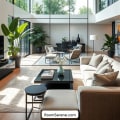
Open-concept homes have become one of the most influential trends in modern residential design because they create a sense of spaciousness, flexibility, and connection between living areas. Instead of separating kitchens, dining rooms, and living spaces with multiple walls and enclosed layouts, homeowners increasingly prefer flowing interiors that encourage interaction and maximize natural light throughout the home. In these environments, every design feature becomes more visually connected, meaning materials, finishes, and architectural details must work together harmoniously. This is why glass features have become increasingly popular alongside modern custom kitchen cabinetry. Glass introduces brightness, reflection, and visual openness that complement the clean lines and functional elegance commonly found in upscale kitchen designs. Whether incorporated through windows, partitions, shelving, cabinet inserts, or decorative accents, glass elements help soften heavier materials while enhancing the overall balance and sophistication of open-concept interiors.
Creating Visual Continuity Between Living Spaces
One of the biggest advantages of using glass features in open-concept homes is their ability to maintain visual continuity without sacrificing definition between spaces. In traditional floor plans, walls naturally separated functional areas, but modern layouts require designers to create subtle transitions without interrupting openness. Glass allows homeowners to preserve sightlines while still adding structure and architectural character. Large windows, sliding glass doors, and interior glass partitions help natural light move freely across connected spaces, making kitchens feel larger and more integrated with adjacent dining and living areas. When paired with high-end cabinetry systems such as Orlando Custom Cabinets, glass features can further highlight craftsmanship, finishes, and design details that might otherwise feel visually heavy within a large open room. Glass cabinet inserts, illuminated shelving, and reflective backsplash surfaces can create depth and contrast while preventing extensive cabinetry installations from overwhelming the overall design. This balance becomes especially important in luxury homes where kitchens often serve as both functional workspaces and central visual focal points.
Enhancing Light and Modern Design Aesthetics
Glass features also contribute significantly to the lighting dynamics of open-concept homes. Because open layouts depend heavily on natural and artificial lighting to create warmth and cohesion, reflective surfaces help distribute light more effectively throughout the interior. Sunlight entering through large windows or glass doors can bounce off glass shelving, polished surfaces, and cabinet accents, brightening areas that might otherwise appear dark or enclosed. This effect is particularly valuable in kitchens with darker cabinetry finishes or larger central islands, where reflective materials help maintain an airy and inviting atmosphere. Frosted glass, textured panels, and decorative glazing options also allow homeowners to introduce subtle visual interest without disrupting minimalist or contemporary design themes. In modern renovation projects, designers frequently use glass to break up long stretches of wood cabinetry while preserving the clean and uncluttered appearance homeowners expect from upscale open-concept spaces.
Combining Functionality With Sophisticated Style
Beyond aesthetics, glass features provide practical benefits that complement modern custom kitchen cabinetry in everyday living. Glass partitions can reduce noise transfer while maintaining openness, while cabinet inserts allow homeowners to display decorative pieces, glassware, or curated storage arrangements without fully exposing clutter. Tempered glass materials are also highly durable and easy to maintain when properly installed, making them well-suited for busy kitchens and family-centered living areas. As open-concept homes continue evolving toward more personalized and luxurious designs, the relationship between glass features and custom cabinetry has become increasingly important in achieving both style and functionality. Homeowners today are not simply looking for visually attractive kitchens but for cohesive living environments where materials, lighting, and architectural details work together seamlessly. Glass elements help support this goal by adding brightness, balance, and modern sophistication to cabinetry-focused interiors while reinforcing the spacious and connected atmosphere that defines contemporary open-concept living.