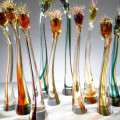
Glass works represent a fascinating intersection of art and science, where creativity meets craftsmanship. This ancient practice has evolved over centuries, giving rise to a diverse array of techniques and styles that reflect cultural significance across different societies. From delicate stained glass windows that adorn cathedrals to intricate glass sculptures that grace modern galleries, the world of glass works is rich with history and innovation. Despite its beauty and complexity, there are numerous misconceptions about glass works that can cloud public understanding of this craft. Many people view glass merely as a fragile material, overlooking the skill and precision required to manipulate it into stunning forms.
Others may believe that glassmaking is a dying art, failing to recognize the vibrant community of artisans who continue to push the boundaries of what is possible with this medium. Understanding glass craftsmanship is essential not only for appreciating the artistry involved but also for recognizing its cultural relevance. Each piece tells a story, often rooted in the traditions and techniques passed down through generations. As we delve deeper into the common misconceptions surrounding glass works, we will uncover the truths that highlight the enduring legacy and contemporary relevance of this remarkable craft.
Misconception 1: Glass Works is Just About Making Windows
One of the most prevalent misconceptions about glass works is that it is solely focused on creating functional items like windows. While it is true that glass has been a staple in architecture for centuries, its applications extend far beyond mere functionality.Glass works encompasses a diverse range of artistic and practical uses that highlight the material's versatility and beauty. For instance, glass art has gained significant popularity, with artists using techniques such as blowing, casting, and fusing to create stunning sculptures and installations. These pieces often serve as focal points in galleries and homes, showcasing the aesthetic potential of glass.
Architectural Glass
In architecture, glass plays a crucial role in modern design.Beyond traditional windows, architects utilize architectural glass in innovative ways, such as:
- Glass facades: These are used to create striking exterior designs that allow natural light to flood interior spaces while providing energy efficiency.
- Glass partitions: In commercial spaces, glass walls can create an open feel while maintaining privacy and sound control.
- Structural glass: This includes load-bearing glass elements that contribute to the overall stability of a building.
By embracing the full potential of glass, artists and designers continue to push boundaries and redefine what this remarkable material can achieve.
Misconception 2: All Glass is Created Equal
One of the most prevalent misconceptions about glass works is the belief that all glass is created equal. In reality, there are numerous types of glass, each with distinct properties and applications. Understanding these differences is crucial for anyone interested in glass art or manufacturing.Types of Glass
- Annealed Glass: This is the most basic form of glass, which is slowly cooled to relieve internal stresses. While it is suitable for many applications, it is not as strong as other types.
- Tempered Glass: Also known as toughened glass, this type undergoes a special heating process that makes it much stronger than annealed glass.
It is commonly used in situations where safety is a concern, such as in shower doors and car windows.
- Laminated Glass: This consists of two or more layers of glass bonded together with an interlayer. It offers enhanced safety and sound insulation, making it ideal for buildings and vehicles.
- Low-E Glass: This type has a special coating that reflects heat while allowing light to pass through. It is energy-efficient and often used in modern architecture.
For instance, crystal glass contains lead oxide, which enhances its brilliance and weight compared to standard glass.
Glass Materials
The materials used in the production of glass also play a vital role in its final properties. Soda-lime glass, for example, is the most common type used for containers and windows due to its affordability and ease of production. In contrast, borosilicate glass, known for its resistance to thermal shock, is often used in laboratory equipment and cookware.In conclusion, not all glass works are the same; understanding the various types and qualities of glass can significantly impact your choices in both art and practical applications. By recognizing these differences, you can make informed decisions that enhance both aesthetic appeal and functionality.Misconception 3: Glass Works is an Easy Craft
One of the most prevalent misconceptions about glass works is the belief that it is an easy craft to master.In reality, creating stunning glass pieces requires a combination of specialized skills, extensive practice, and a deep understanding of various glass crafting techniques.
Glass Blowing Difficulty
Glass blowing, one of the most recognized forms of glass works, is far from simple. It involves manipulating molten glass at temperatures exceeding 2,000 degrees Fahrenheit. This process demands not only physical strength but also precise timing and coordination. A glassblower must learn to control the glass's viscosity and shape it while it is still malleable, which can take years of dedicated practice to perfect.
Skills Required for Glass Works
- Technical Knowledge: Understanding the properties of different types of glass and how they react under heat is crucial.
- Hand-Eye Coordination: The ability to manipulate tools and materials simultaneously is essential for creating intricate designs.
- Creativity: Artists must envision their final product and translate that vision into a tangible piece.
- Patience: Mastering glass crafting techniques takes time; mistakes are common and can be costly.
Glass Crafting Techniques
The world of glass works encompasses various techniques beyond just blowing.
Techniques such as fusing, casting, and lampworking each require unique skills and approaches. For instance, glass fusing involves layering pieces of glass and heating them until they bond together, which requires knowledge of temperature control and timing to achieve the desired results.In conclusion, while the beauty of glass works may give the impression that it is an easy craft, the reality is that it demands a high level of skill, creativity, and technical knowledge. Aspiring glass artists must be prepared for a challenging yet rewarding journey in mastering this intricate art form.
Misconception 4: Glass Art is Only for Decorative Purposes
One of the most pervasive misconceptions about glass works is that they are solely for decorative purposes. While it is true that glass art can enhance the aesthetic appeal of a space, its functionality is often overlooked.In reality, many artists and craftsmen create pieces that serve practical uses in everyday life.
Functional Glass Art
- Tableware: Many glass artists specialize in creating functional items such as plates, bowls, and glasses. These pieces not only serve a purpose but also add a unique touch to dining experiences.
- Lighting Fixtures: Glass works are frequently used in lighting design. From stunning chandeliers to modern pendant lights, these pieces combine artistry with functionality, illuminating spaces while serving as focal points.
- Home Decor: Beyond mere decoration, glass art can be functional in home decor. Items like vases and candle holders not only beautify a room but also serve practical purposes.
Practical Uses of Glass Art
The versatility of glass allows it to be molded into various forms that cater to both aesthetic and functional needs.
For instance, glassblowers often create custom pieces tailored to specific uses, such as:
- Storage Containers: Artistic jars and bottles can be both beautiful and practical for storing food or other items.
- Glass Sculptures: Some sculptures are designed to interact with their environment, such as wind chimes or garden ornaments that serve as both art and functional outdoor decor.
Artistic Glass Applications
The integration of art and function is evident in the work of many contemporary glass artists who push the boundaries of what glass can do. They create pieces that challenge traditional notions of art by incorporating functionality into their designs. This evolution in glass works demonstrates that art does not have to be confined to the walls of a gallery; it can be an integral part of our daily lives.In conclusion, while decorative aspects of glass art are undeniably captivating, it is essential to recognize the myriad of functional applications that enrich our everyday experiences. By embracing both the beauty and utility of glass works, we can appreciate them on a deeper level.
Misconception 5: Glass Works is a Dying Art Form
Contrary to the belief that glass works is a dying art form, the reality is quite the opposite.The craft is experiencing a vibrant resurgence, fueled by a new generation of contemporary glass artists who are pushing the boundaries of creativity and innovation.Many artists today are not only preserving traditional techniques but also integrating modern technology and design principles into their work. This fusion has led to the creation of stunning pieces that appeal to both collectors and the general public. For instance, artists like David Chihuly and Josiah McElheny have gained international acclaim for their unique approaches to glass art, showcasing its versatility and relevance in contemporary culture.The future of glass works looks promising, with numerous art schools and workshops dedicated to teaching both traditional and modern glass-making techniques. These institutions are vital in nurturing new talent and ensuring that the craft continues to evolve.
Additionally, many artists are embracing sustainability by using recycled materials in their creations, which resonates with today’s environmentally conscious consumers.Moreover, there is a growing interest in revival of traditional crafts, including glass blowing and stained glass making. Community workshops and local studios are becoming hubs for enthusiasts eager to learn these skills, further dispelling the notion that glass works is fading away. Events such as glass festivals and exhibitions also play a crucial role in promoting this art form, allowing artists to showcase their work and connect with audiences.In conclusion, rather than being a dying art, glass works is thriving through innovation, education, and community engagement. As contemporary artists continue to explore new techniques and ideas, the craft is set to flourish well into the future.
FAQs About Glass Works Misconceptions
When it comes to glass works, there are several misconceptions that can lead to confusion among enthusiasts and newcomers alike.Here are some frequently asked questions that help clarify these myths:
What is the most common misconception about glass crafting?
One of the most prevalent myths is that glass works are only for highly skilled artisans. In reality, while advanced techniques do require training, many basic glass crafting methods can be learned by beginners. Workshops and online tutorials make it accessible for anyone interested in exploring this art form.Is glass blowing dangerous?
While glass blowing does involve high temperatures and specialized equipment, it is not inherently dangerous when proper safety protocols are followed. Professional glass artists are trained to handle materials safely, and beginners are often guided by experienced instructors in controlled environments.Can all types of glass be used for crafting?
Another common misconception is that any type of glass can be used for glass works.In fact, different types of glass have unique properties that make them suitable for specific techniques. For example, borosilicate glass is favored for its durability in glass blowing, while soda-lime glass is often used in stained glass projects.
Is glass art only decorative?
Many people believe that glass art serves only aesthetic purposes. However, glass works can also be functional. Items such as glassware, lighting fixtures, and even architectural elements showcase the versatility of this medium.How long does it take to master glass crafting?
The timeline for mastering glass works varies greatly among individuals.While some may grasp basic techniques within a few weeks, achieving proficiency in advanced methods can take years of practice and dedication.By addressing these common questions and misconceptions, we hope to enhance your understanding of glass works and inspire you to explore this fascinating craft further.
Conclusion: Embracing the Truth About Glass Works
In conclusion, understanding the true nature of glass works is essential for both enthusiasts and casual observers alike. Throughout this article, we have explored several common misconceptions that often cloud the appreciation of this intricate art form. One of the most prevalent myths is that glass works are merely decorative items lacking functional value. In reality, many glass artists create pieces that serve both aesthetic and practical purposes, from stunning tableware to innovative architectural elements. This duality showcases the versatility and creativity inherent in glass artistry. Another misconception is that all glass is created equal.The truth is that the quality and type of glass used can significantly impact the final product. Artists often select specific types of glass based on their desired effects, whether it be clarity, color, or durability. Understanding these nuances can enhance one’s appreciation for the craftsmanship involved. Moreover, the notion that glass works are fragile and easily breakable overlooks the advancements in glass-making techniques. Many contemporary glass artists employ methods that enhance strength and resilience, allowing for more durable creations without sacrificing beauty. As we embrace the truth about glass works, it becomes clear that this art form is rich with history, innovation, and cultural significance.
By dispelling these myths, we can foster a deeper respect for the artisans who dedicate their lives to mastering this captivating medium. Ultimately, appreciating glass works requires an open mind and a willingness to explore beyond surface-level assumptions. As you engage with this art form, remember to celebrate its complexity and the skill involved in its creation.