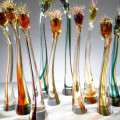
Glass works represent a fascinating intersection of art and industry, showcasing the remarkable versatility of glass as a medium. From intricate decorative pieces to functional items, the glass-making process has evolved over centuries, reflecting both technological advancements and artistic expression. Understanding glass works not only highlights their aesthetic appeal but also reveals their historical significance and cultural impact across various societies. The journey of glass begins with raw materials such as silica sand, soda ash, and limestone, which are meticulously combined and heated to create molten glass. This glass-making process can be traced back to ancient civilizations, where artisans first discovered the ability to manipulate this unique material.
Over time, techniques have diversified, leading to the development of various styles and forms that cater to both functional and artistic needs. As we delve deeper into the world of glass works, we will explore the intricate methods used in crafting these stunning creations, from traditional blowing techniques to modern casting and molding practices. Additionally, we will examine the rich history of glass works, highlighting key innovations and cultural milestones that have shaped its evolution. By understanding the significance of glass works, we can appreciate not only their beauty but also the skill and creativity that go into their production.
The History of Glass Making
The art of glass making has a rich and fascinating history that dates back thousands of years. The earliest known glass objects were created around 3500 BCE in Mesopotamia, where artisans experimented with natural materials to produce small beads and decorative items.This marked the beginning of what would evolve into a complex craft.By the time of the ancient Egyptians, glass production had advanced significantly. They developed techniques for creating glass works that included intricate shapes and vibrant colors. The Egyptians used glass to create vessels, jewelry, and even inlays for their tombs, showcasing their skill and artistry.
The Roman Influence
The Romans played a crucial role in the evolution of glass production. Around the 1st century BCE, they introduced the technique of blowing glass, which allowed for the creation of larger and more varied forms.This innovation not only made glass more accessible but also led to the widespread use of glass in everyday items such as windows and tableware.
Medieval Advancements
During the Middle Ages, glass making continued to flourish, particularly in regions like Venice, which became renowned for its exquisite glass works. The Venetian glassmakers perfected techniques such as millefiori and cristallo, producing stunning pieces that were highly sought after across Europe.The Renaissance period saw further advancements, with an emphasis on artistic expression in glass design. Artists began to collaborate with glassmakers, leading to unique creations that combined functionality with beauty.In modern times, the industrial revolution brought about significant changes in glass production methods. Mass production techniques allowed for the creation of standardized glass products, making them more affordable and widely available.Today, while traditional methods are still cherished, contemporary artists continue to push the boundaries of glass works, exploring new forms and techniques that reflect both historical influences and modern innovation.Understanding the history of glass making not only highlights the ingenuity of ancient civilizations but also enriches our appreciation for contemporary glass art. Each piece tells a story that connects us to our past while inspiring future generations of artisans.
Raw Materials Used in Glass Works
The production of glass works relies heavily on a few key raw materials that are essential for creating high-quality glass. Understanding these materials is crucial for anyone interested in the glass-making process.Silica Sand
At the heart of glass production is silica sand, which is composed primarily of silicon dioxide (SiO2). This material serves as the main glass-forming agent, providing the necessary structure and transparency to the final product.The purity of silica sand is vital; impurities can lead to defects in the glass, affecting its clarity and strength. Typically, high-quality silica sand is sourced from specific geological deposits, ensuring that it meets the stringent requirements of glass manufacturing.
Soda Ash
Soda ash, or sodium carbonate, plays a critical role in lowering the melting point of silica. By incorporating soda ash into the mixture, manufacturers can reduce energy consumption during the melting process, making it more efficient and cost-effective. Additionally, soda ash helps to improve the workability of the molten glass, allowing for easier shaping and forming.Limestone
The third primary ingredient in glass works is limestone, or calcium carbonate.Limestone acts as a stabilizer in the glass-making process, enhancing the durability and chemical resistance of the final product. It also helps to prevent devitrification, which is the crystallization of glass during cooling that can lead to a cloudy appearance. The right balance of limestone in the mixture ensures that the glass maintains its desired properties over time.In summary, the combination of silica sand, soda ash, and limestone forms the foundation of high-quality glass works. Each material contributes unique properties that are essential for producing clear, durable, and aesthetically pleasing glass products.
Understanding these raw materials not only highlights their importance but also sheds light on the intricate process of glass production.
The Glass Making Process
The glass manufacturing process is a fascinating journey that transforms raw materials into beautiful and functional glass products. Understanding the steps in glass production can provide insight into the craftsmanship and technology involved.Here’s a breakdown of the key stages in how glass is made:- Raw Material Preparation: The primary ingredients for glass include silica sand, soda ash, and limestone. These materials are carefully measured and mixed to create a batch that will be melted down.
- Melting: The mixed batch is then heated in a furnace at temperatures exceeding 2,000 degrees Fahrenheit. This intense heat causes the raw materials to melt and form a molten glass.
- Forming: Once the glass is molten, it can be shaped into various forms.
This can be done through several methods, including blowing, pressing, or molding. Each technique allows for different designs and applications.
- Annealing: After forming, the glass must be gradually cooled in an annealing lehr. This process relieves internal stresses within the glass, ensuring durability and preventing breakage.
- Finishing: The final stage involves cutting, polishing, or decorating the glass products. This step enhances both the aesthetic appeal and functionality of the finished items.
From the initial melting of raw materials to the intricate finishing touches, every phase of the glass works process contributes to creating stunning glassware that is both practical and artistic.
Techniques in Glass Works
The world of glass works is rich with diverse techniques that showcase the creativity and skill of artisans. Each method offers unique possibilities for design and functionality, making glass a versatile medium for artistic expression.Glass Blowing Techniques
One of the most iconic methods in glass works is glass blowing. This technique involves inflating molten glass into a bubble using a blowpipe. The artisan can then shape the glass by rotating and manipulating it while it cools.This method allows for the creation of intricate forms, from delicate vases to large sculptures. The skill lies in controlling the temperature and timing, as the glass must remain malleable throughout the process.
Glass Casting Methods
Glass casting is another fascinating technique where molten glass is poured into a mold to create solid forms. This method can produce complex shapes that are difficult to achieve through blowing. Artisans often use molds made from various materials, including metal or sand, to achieve different textures and finishes.Once cooled, the cast glass can be polished or further manipulated to enhance its aesthetic appeal.
Stained Glass Techniques
Stained glass techniques involve cutting colored glass pieces and assembling them into a design, typically held together by lead came or copper foil. This method has been used for centuries in architectural applications, such as windows in cathedrals and churches. The interplay of light through stained glass creates stunning visual effects, making it a beloved technique in both traditional and contemporary art.Each of these techniques—glass blowing, glass casting, and stained glass—demonstrates the artistry involved in glass works. By mastering these methods, artisans not only create beautiful objects but also contribute to the rich history and evolution of glass art.Applications of Glass Works
Glass works have a wide array of applications that span both decorative and industrial contexts, showcasing the material's versatility and significance in our daily lives.From stunning art pieces to essential components in manufacturing, glass plays a crucial role in various sectors.
Decorative Glass Items
In the realm of decoration, glass works are often celebrated for their aesthetic appeal.Decorative glass items
can enhance the ambiance of any space, making them popular choices for home decor. Some common examples include:- Vases: Available in countless designs, colors, and sizes, glass vases serve as beautiful centerpieces.
- Art Glass: Unique sculptures and installations created by skilled artisans can transform a room into a gallery.
- Stained Glass: Often used in windows and doors, stained glass adds a touch of elegance and color to architectural designs.
- Glassware: From drinking glasses to decorative bowls, glassware is both functional and stylish.
Industrial Applications of Glass
Beyond aesthetics, glass works are integral to numerous industrial applications. The properties of glass—such as its durability, transparency, and resistance to chemicals—make it an ideal choice for various uses:- Construction: Glass is widely used in buildings for windows, facades, and partitions, providing natural light while maintaining energy efficiency.
- Aerospace: Specialized glass is utilized in aircraft windows and cockpit displays due to its strength and clarity.
- Electronics: Glass substrates are essential in the production of screens for smartphones, tablets, and televisions.
- Packaging: Glass containers are favored for food and beverage packaging because they are non-reactive and recyclable.
As technology advances, the potential uses for glass continue to expand, solidifying its place as a vital material in both decorative arts and industrial processes.
Sustainability in Glass Production
The glass production industry has made significant strides towards sustainability, recognizing the need to minimize its environmental impact. As consumers become increasingly eco-conscious, manufacturers are adopting eco-friendly practices that not only reduce waste but also promote the recycling of materials.One of the most effective ways to achieve sustainability in glass works is through recycling glass. Recycled glass, or cullet, can be used as a raw material in the production process, significantly reducing energy consumption and raw material extraction. In fact, using recycled glass can lower energy usage by up to 30% compared to using virgin materials.This not only conserves natural resources but also reduces greenhouse gas emissions associated with production.Moreover, many glass manufacturers are investing in renewable energy sources to power their operations. By utilizing solar, wind, or hydroelectric power, these companies can further decrease their carbon footprint. Additionally, some facilities are implementing energy-efficient technologies such as advanced furnaces that require less energy to operate.Another important aspect of sustainable glass making is the use of environmentally friendly materials. Manufacturers are exploring alternatives to traditional raw materials that may have a higher environmental impact.
For instance, using locally sourced materials can reduce transportation emissions and support local economies.In conclusion, the shift towards sustainability in glass production is not just a trend but a necessary evolution in response to global environmental challenges. By embracing sustainable practices, such as recycling glass and utilizing renewable energy, the glass industry can significantly mitigate its impact on the planet while meeting the growing demand for eco-friendly products.
Frequently Asked Questions about Glass Works
When it comes to glass works, many people have questions about the process, materials, and myths surrounding glass production. Here are some frequently asked questions that can help clarify these topics.What materials are used in glass making?
The primary ingredients for making glass include:- Silica sand: This is the main component, providing the structure of the glass.
- Soda ash: This lowers the melting point of silica, making it easier to work with.
- Lime: This stabilizes the glass and helps prevent it from dissolving in water.
- Other additives may include colorants and modifiers to enhance properties.
Is glass recyclable?
Yes, glass is one of the most recyclable materials available. It can be recycled indefinitely without losing quality or purity.Recycling glass reduces energy consumption and raw material usage, making it an environmentally friendly choice.
What are some common myths about glass production?
- Myth 1: All glass is made from the same materials. In reality, different types of glass (e.g., soda-lime, borosilicate) use varying compositions for specific properties.
- Myth 2: Glass is not a sustainable material. While production can be energy-intensive, its recyclability and longevity make it a sustainable option when managed properly.
- Myth 3: Glass cannot be made at home. While professional-grade glass works require specialized equipment, simple glass-making techniques can be done at home with the right tools and safety precautions.
If you have more questions about glass making or specific techniques, feel free to explore further!
Conclusion: The Future of Glass Works
As we conclude our exploration of glass works, it is essential to reflect on the rich history and the innovative future that lies ahead for this fascinating craft. Throughout this article, we have delved into the traditional techniques that have shaped glassmaking for centuries, as well as the modern advancements that are redefining the industry.The enduring appeal of glass works can be attributed to its versatility and aesthetic qualities. From functional items like bottles and windows to artistic pieces that adorn galleries, glass continues to captivate audiences worldwide. However, the future of glassmaking is not solely rooted in tradition; it is also about embracing new technologies and sustainable practices.Emerging Trends in Glass Works
- Sustainability: With increasing awareness of environmental issues, many glass manufacturers are adopting eco-friendly practices.
This includes using recycled materials and reducing energy consumption during production.
- Smart Glass: Innovations such as smart glass technology are gaining traction. This type of glass can change its properties in response to environmental conditions, offering energy efficiency and enhanced functionality.
- Artisanal Revival: There is a growing appreciation for handcrafted glass items, leading to a resurgence in artisanal glassworks. Consumers are increasingly valuing unique, handmade products over mass-produced alternatives.
The journey of glassmaking is far from over; it is an exciting time for artisans and manufacturers alike as they navigate the challenges and opportunities that lie ahead.