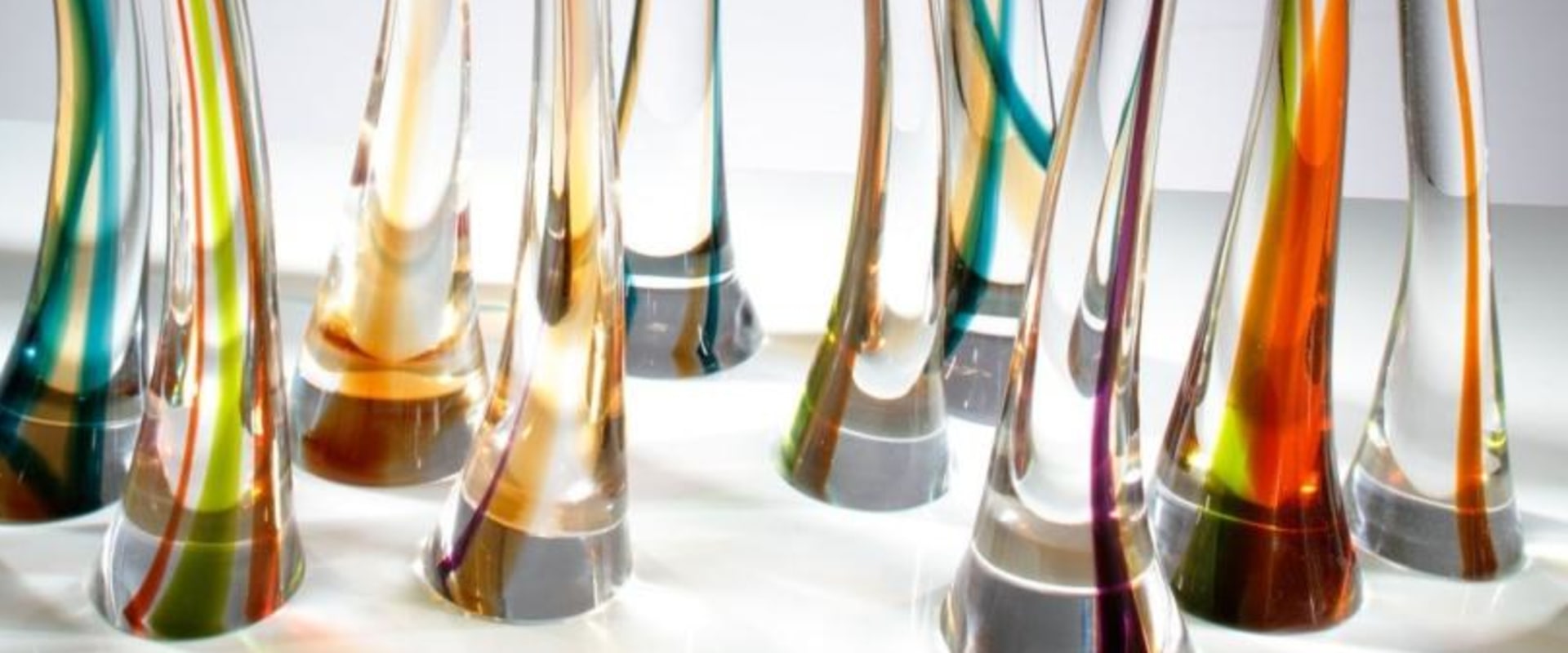
Glass works represent a fascinating intersection of art and craftsmanship, where the fluidity of molten glass transforms into stunning visual forms. This medium has captivated artists and audiences alike for centuries, offering a unique blend of transparency, color, and texture that few other materials can match. From delicate glassblowing techniques to intricate stained glass designs, the versatility of glass allows for a wide range of artistic expression.As we delve into the world of glass art, it becomes evident that various themes emerge, each reflecting the artist's intent and cultural influences. Themes in glass works can range from nature-inspired motifs to abstract concepts, often serving as a commentary on contemporary issues or personal narratives.
The ability to manipulate light through glass not only enhances the aesthetic appeal but also invites viewers to engage with the artwork on a deeper level.This exploration of themes in glass art is not just about visual beauty; it also encompasses the historical and social contexts that shape these creations. Understanding these themes enriches our appreciation for glass works and highlights their significance in both art and design. As we proceed, we will uncover some of the most popular themes that define this captivating medium, revealing how artists continue to push boundaries and innovate within the realm of glass.
Historical Themes in Glass Works
The evolution of glass works is deeply intertwined with historical events and cultural movements, reflecting the changing values and technologies of different eras. From ancient civilizations to modern times, glass has served not only as a medium for artistic expression but also as a functional material that embodies the spirit of its age.In ancient Egypt, for instance, glass was primarily used for decorative items and jewelry.The techniques developed during this period laid the groundwork for future glass-making practices. The use of vibrant colors and intricate designs in Egyptian glass works showcased the society's appreciation for beauty and craftsmanship.As we move into the Roman Empire, glass production saw significant advancements. The invention of blown glass around the 1st century BC revolutionized the industry, allowing artisans to create more complex shapes and forms. This innovation not only made glass more accessible but also transformed it into a symbol of wealth and status among the elite.The Middle Ages marked another pivotal moment in the history of glass works.
During this time, stained glass became prominent in churches and cathedrals, serving both an artistic and educational purpose. These magnificent windows depicted biblical stories, allowing the illiterate population to engage with religious narratives visually.With the advent of the Renaissance, glass works experienced a resurgence in creativity and technical skill. Artists began to experiment with new styles and techniques, leading to the creation of exquisite pieces that reflected humanism and the natural world. The Venetian glassmakers, in particular, became renowned for their mastery of color and form, influencing glass art across Europe.In contemporary times, glass works continue to evolve, drawing inspiration from historical themes while incorporating modern technology and design philosophies.
Artists today often reflect on past traditions while pushing boundaries to explore new concepts and materials. This ongoing dialogue between history and innovation ensures that glass remains a vital medium in the art world.Understanding these historical themes in glass art not only enriches our appreciation of individual pieces but also highlights the material's significance throughout human history. As we look at contemporary glass works, we can see how they are shaped by centuries of tradition while also paving the way for future artistic exploration.
Nature-Inspired Themes in Glass Works
Artists have long found inspiration in the natural world, and this is particularly evident in the realm of glass works. The fluidity and transparency of glass allow for a unique interpretation of organic forms, capturing the essence of nature in a way that few other mediums can.Flora-Inspired Designs
- Botanical motifs: Many glass artists incorporate elements such as leaves, flowers, and trees into their creations.
These designs often mimic the delicate structures found in nature, using color and texture to evoke the feeling of being surrounded by a lush garden.
- Color palettes: The use of greens, browns, and vibrant floral hues in glass works reflects the colors found in nature. Artists often experiment with layering different shades to create depth and dimension, reminiscent of sunlight filtering through foliage.
Fauna-Inspired Creations
- Animal forms: From intricate glass sculptures of birds to abstract representations of marine life, animal themes are prevalent in glass art. These pieces often highlight the beauty and fragility of wildlife, encouraging viewers to appreciate and protect these creatures.
- Movement and flow: The dynamic nature of glass allows artists to capture the essence of movement found in animals. Whether it’s the graceful curve of a dolphin or the fluttering wings of a butterfly, these designs bring a sense of life to static objects.
For instance, some glass works reflect the changing seasons or depict landscapes that evoke a sense of place. This connection to nature not only enhances the aesthetic appeal but also resonates with eco-conscious audiences who value sustainability and environmental awareness.Ultimately, nature-inspired glass works serve as a reminder of our connection to the earth. By celebrating the beauty of the natural world through their art, glass artists encourage us to reflect on our relationship with nature and inspire us to protect it for future generations.
Abstract and Conceptual Themes in Glass Works
In the realm of glass works, abstract and conceptual themes have emerged as powerful vehicles for artistic expression, pushing the boundaries of traditional glass art. Artists are increasingly exploring the interplay between form, light, and perception, creating pieces that invite viewers to engage with the material in new and thought-provoking ways.Abstract Themes in Glass Art
- Fluidity and Movement: Many contemporary glass artists utilize the inherent fluidity of glass to create dynamic forms that suggest motion.
These pieces often challenge static perceptions, encouraging viewers to consider the transient nature of both the material and the ideas it represents.
- Color and Light: The manipulation of color and transparency in glass works can evoke emotional responses. Artists experiment with layering techniques and light refraction to create immersive experiences that alter how we perceive space and color.
- Organic Forms: Inspired by nature, some artists create abstract glass sculptures that mimic organic shapes. These works often blur the line between art and nature, prompting discussions about environmental themes and our relationship with the natural world.
Conceptual Glass Works
- Social Commentary: Many glass artists use their work to comment on societal issues, employing symbolism and metaphor to provoke thought. This approach transforms glass from a mere medium into a platform for dialogue about contemporary challenges.
- Identity and Memory: Conceptual glass works often explore themes of identity, memory, and personal narrative.
Artists may incorporate found objects or personal artifacts into their pieces, creating a dialogue between the viewer's experiences and the artwork.
- Interactivity: Some modern glass designs invite viewer interaction, breaking down barriers between art and audience. These installations encourage participation, making the experience of viewing art more personal and engaging.
Cultural and Symbolic Themes in Glass Works
Glass works have long served as a medium for cultural expression and symbolism across various societies. From ancient civilizations to contemporary artists, the use of glass has transcended mere functionality, becoming a canvas for storytelling and identity.Cultural Themes in Glass Art
- Historical Significance: In many cultures, glass has been used to create artifacts that reflect historical narratives.
For instance, the intricate glass mosaics of ancient Rome depict scenes from mythology and daily life, serving as a window into the past.
- Regional Styles: Different regions have developed unique styles of glass art that reflect their cultural heritage. The vibrant colors and patterns of Murano glass from Italy showcase the island's rich artisan tradition, while the delicate forms of Japanese glass art often embody Zen principles.
- Ritualistic Uses: In various cultures, glass is employed in rituals and ceremonies. For example, stained glass windows in churches not only serve an aesthetic purpose but also convey religious stories and teachings, enhancing the spiritual experience.
Symbolism in Glass Works
- Translucence and Clarity: The transparent nature of glass often symbolizes clarity and purity. Artists may use clear glass to represent truth or enlightenment, inviting viewers to look beyond the surface.
- Fragility: Glass is inherently fragile, which can symbolize vulnerability or the transient nature of life.
This theme resonates in works that challenge viewers to reflect on their own experiences with impermanence.
- Transformation: The process of creating glass art involves intense heat and transformation, mirroring personal growth or change. Many artists incorporate this theme to express their journeys or societal shifts.
Functional vs. Artistic Themes in Glass Works
When exploring the world of glass works, one can distinctly categorize creations into two primary themes: functional and artistic.Each theme serves a unique purpose and appeals to different audiences, making them essential to understand for both collectors and casual buyers.
Functional Glass Art
Functional glass art refers to pieces that serve a practical purpose while also showcasing artistic design. These items include everyday objects such as:- Glassware: Drinking glasses, bowls, and plates that combine utility with aesthetic appeal.
- Lighting fixtures: Chandeliers and lamps that illuminate spaces while acting as decorative elements.
- Home decor: Vases and sculptures that enhance interior design without sacrificing functionality.
Artistic Themes in Glass Works
On the other hand, artistic glass works are primarily created for visual enjoyment rather than practical use. These pieces often explore various themes and concepts, including:- Abstract forms: Sculptures that challenge perceptions and evoke emotions through shape and color.
- Nature-inspired designs: Works that mimic organic forms, such as flowers or landscapes, showcasing the beauty of the natural world.
- Cultural narratives: Pieces that tell stories or represent cultural heritage, often incorporating traditional techniques and motifs.
While functional pieces enhance our daily lives with beauty and practicality, artistic creations invite us to explore deeper meanings and appreciate the artistry behind each piece. Understanding these themes can help potential buyers make informed decisions based on their preferences and needs.
Contemporary Trends and Innovations in Glass Works
In recent years, the world of glass works has witnessed a remarkable evolution, driven by both artistic expression and technological advancements. Contemporary artists are increasingly exploring innovative themes that challenge traditional perceptions of glass as merely a functional material.Emphasis on Sustainability
One of the most significant trends in modern glass art is the emphasis on sustainability. Artists are now utilizing recycled glass and eco-friendly practices to create stunning pieces that not only captivate the eye but also promote environmental consciousness.This shift towards sustainable materials reflects a broader societal movement towards eco-awareness.
Integration of Technology
The integration of technology into glass works has opened new avenues for creativity. Techniques such as 3D printing and digital fabrication allow artists to experiment with complex forms and designs that were previously unattainable. This fusion of art and technology is redefining the boundaries of what can be achieved in glass.Exploration of Light and Space
Contemporary glass artists are also focusing on the interplay of light and space. By manipulating transparency, color, and texture, they create immersive installations that transform environments.These works invite viewers to engage with the art in dynamic ways, often altering their perception based on their position relative to the piece.
Cross-Disciplinary Collaborations
Another notable trend is the rise of cross-disciplinary collaborations. Glass artists are partnering with designers, architects, and even scientists to push the boundaries of their craft. These collaborations result in innovative projects that merge functionality with artistic vision, showcasing glass as a versatile medium.As we look to the future, it is clear that contemporary themes in glass works will continue to evolve, driven by a desire for innovation and a commitment to sustainability. The ongoing exploration of new techniques and ideas ensures that glass art remains a vibrant and relevant field within the broader art landscape.FAQs About Themes in Glass Works
When exploring the world of glass works, many enthusiasts and collectors often have questions about the themes that dominate this art form.Here are some frequently asked questions that can help deepen your understanding of the themes in glass art.
- What are common themes found in glass works?
Common themes in glass works include nature, abstract forms, and cultural symbolism. Artists often draw inspiration from the environment, creating pieces that reflect organic shapes and colors. Abstract themes allow for personal interpretation, while cultural motifs can tell stories or represent heritage. - How do artists choose their themes?
Artists typically choose themes based on personal experiences, cultural backgrounds, or current events. The choice of theme can also be influenced by the techniques and materials they work with, as certain methods lend themselves to specific visual narratives. - Are there seasonal or trend-based themes in glass art?
Yes, many artists create works that reflect seasonal changes or current trends.For instance, spring might inspire floral designs, while winter could lead to pieces that evoke a sense of coldness or tranquility. Keeping up with trends allows artists to connect with contemporary audiences.
- Can themes in glass works evolve over time?
Absolutely! As artists grow and experiment with new techniques or materials, their thematic focus may shift. This evolution can lead to innovative styles and fresh interpretations of traditional themes.
Conclusion: The Rich Tapestry of Glass Works Themes
In conclusion, the world of glass works is a vibrant and multifaceted realm that reflects a rich tapestry of themes. Throughout this exploration, we have uncovered how artists and craftsmen utilize glass not just as a medium, but as a canvas for storytelling, cultural expression, and innovation. From the intricate designs of functional glassware to the breathtaking beauty of sculptural pieces, each theme offers a unique perspective on the capabilities of glass.The themes of nature, abstraction, and historical narratives are particularly prominent, showcasing how glass can mimic the organic forms found in the environment or convey complex emotions through abstract shapes.
Key Themes Recap
- Nature: Many glass artists draw inspiration from the natural world, creating pieces that reflect flora and fauna.
- Abstraction: Abstract glass works challenge perceptions and invite viewers to interpret meaning in their own way.
- Cultural Heritage: Glass works often incorporate traditional techniques and motifs that celebrate cultural identities.
- Innovation: The use of modern technology in glass making has led to new forms and styles that push the boundaries of creativity.