Glass works represent a fascinating intersection of art, science, and history, showcasing the remarkable versatility of this medium. From ancient civilizations to contemporary artists, the history of glass art is rich with innovation and creativity. The ability to manipulate glass into stunning forms has captivated cultures around the world, making it a significant element in both functional and decorative arts. The significance of glass works extends beyond mere aesthetics; it reflects the technological advancements of its time and the cultural narratives of the societies that produced it. For instance, the intricate glass mosaics of ancient Rome not only served as decoration but also conveyed stories and status.
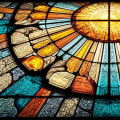
Similarly, the vibrant stained glass windows of Gothic cathedrals were designed to inspire awe and convey religious themes, illustrating how glass has been used to enhance spiritual experiences. As we delve deeper into the world of glass art, we will explore some of the most famous examples that highlight the extraordinary craftsmanship involved. From the delicate beauty of Murano glass to the bold statements made by contemporary glass sculptors, each piece tells a story that transcends time and geography. Join us on this journey to discover how glass works continue to shape our understanding of art and culture today.
The History of Glass Works
The history of glass works dates back to ancient civilizations, with the earliest known glass artifacts originating around 3500 BCE in Mesopotamia. These early pieces were primarily beads and small vessels, showcasing the initial experimentation with this fascinating material.As glass-making techniques evolved, the ancient Egyptians became renowned for their glass art around 1500 BCE.They developed methods to create vibrant colors and intricate designs, producing items such as glass faience, which was a glazed ceramic that mimicked the appearance of glass. This period marked a significant advancement in the art of glass making, as artisans began to explore various forms and applications.
The Roman Influence
The Romans further revolutionized glass production by introducing blowing techniques around the 1st century BCE. This innovation allowed for the mass production of glass vessels, making them more accessible to the general public. Roman glassworks produced a variety of items, from everyday tableware to elaborate decorative pieces, often adorned with intricate patterns and engravings.Medieval and Renaissance Developments
During the Middle Ages, glass-making saw a decline in Europe but flourished in the Islamic world, where artisans perfected techniques such as mosaic glass and cut glass.The Renaissance period marked a resurgence in European glass art, particularly in Venice, where the famous Murano glassworks emerged. Artisans on Murano Island became known for their exquisite craftsmanship and innovative designs, producing everything from chandeliers to delicate figurines.In modern times, the evolution of glass works has continued with advancements in technology and design. Contemporary artists experiment with glass as a medium for sculpture and installation art, pushing the boundaries of traditional techniques. Today, glass works are celebrated not only for their functional uses but also for their artistic expression, reflecting centuries of history and innovation.
Famous Glass Works from Around the World
Throughout history, glass works have captivated audiences with their intricate designs and innovative techniques.Here are some of the most famous examples that showcase the artistry and craftsmanship involved in this medium.
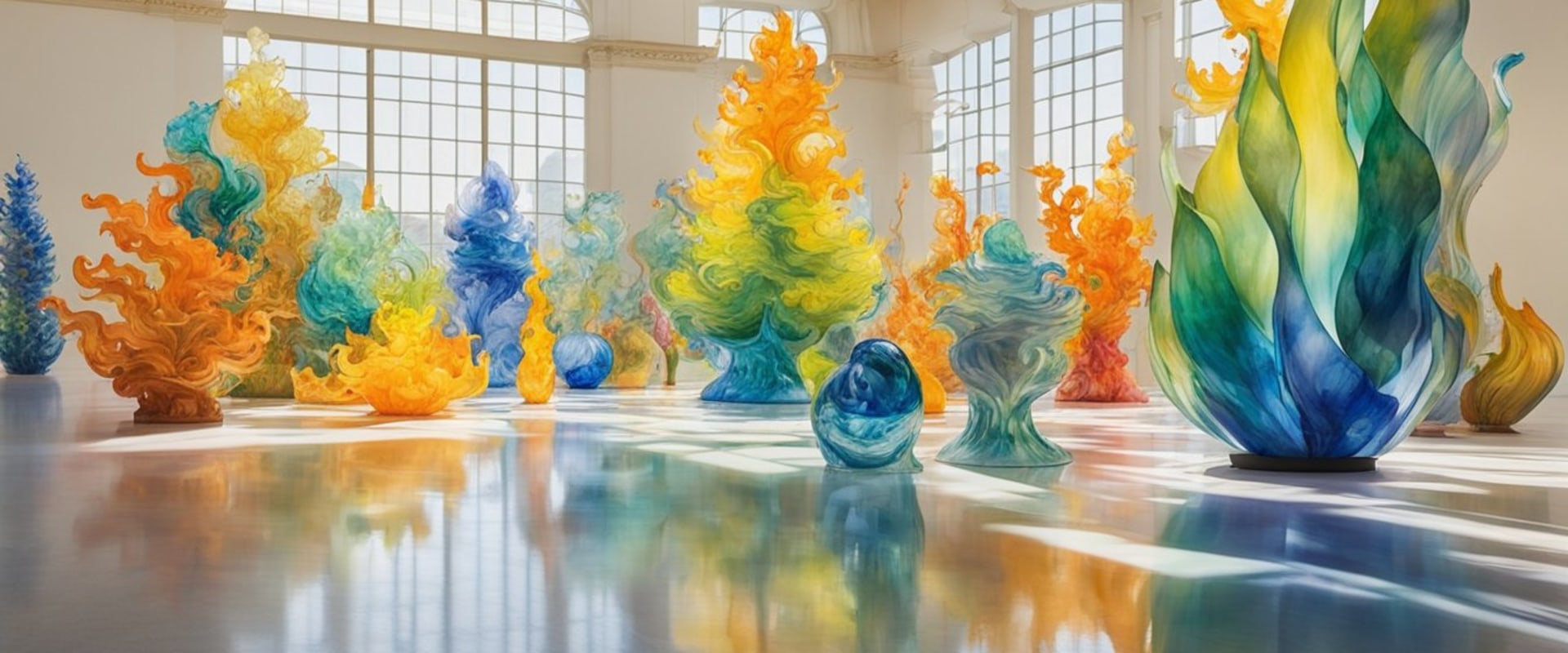
- Chihuly's Installations : Dale Chihuly is perhaps one of the most recognized names in contemporary glass art. His large-scale installations, such as the Chihuly Garden and Glass in Seattle, feature vibrant colors and organic shapes that transform spaces into immersive experiences. His work often incorporates natural elements, making it a stunning fusion of art and nature.
- The Glass Flowers : Created by Leopold and Rudolf Blaschka in the late 19th century, the Glass Flowers collection at Harvard University is a remarkable feat of scientific artistry. These meticulously crafted glass models of plants and flowers serve both educational and aesthetic purposes, showcasing the delicate beauty of nature through glass.
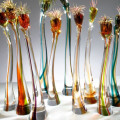
- Murano Glass : The island of Murano in Italy is renowned for its centuries-old glass-making tradition.
Iconic pieces such as Murano chandeliers and colorful glass vases exemplify the skill of artisans who have perfected their craft over generations. Each piece is unique, often featuring intricate patterns and vibrant colors that reflect the rich cultural heritage of the region.
- The Crystal Palace : Designed by Joseph Paxton for the Great Exhibition of 1851 in London, the Crystal Palace was a pioneering example of glass architecture. Its extensive use of glass allowed for natural light to flood the interior, creating a breathtaking space that celebrated industrial innovation.
The world of iconic glass sculptures continues to evolve, inspiring new generations to explore this versatile medium.
Notable Glass Artists and Their Contributions
Throughout history, numerous glass artists have made significant contributions to the field, pushing the boundaries of what can be achieved with this versatile medium. Here are a few notable figures whose works have left an indelible mark on the world of glass art.Louis Comfort Tiffany
One of the most renowned names in glass art, Louis Comfort Tiffany revolutionized the use of glass in decorative arts during the late 19th and early 20th centuries. His innovative techniques, such as favrile glass, allowed for a unique interplay of color and texture, resulting in stunning stained glass windows and lamps that remain highly sought after today.Dale Chihuly
Dale Chihuly
is a contemporary glass artist known for his large-scale installations and vibrant sculptures. His work often incorporates organic forms and bold colors, transforming public spaces into immersive experiences.
Chihuly's contributions to glass works include not only his artistic creations but also his efforts in popularizing glassblowing as a respected art form.
Marvin Lipofsky
Marvin Lipofsky
, a pioneer in the studio glass movement, emphasized the importance of personal expression in glass art. His innovative techniques and focus on sculptural forms have inspired countless artists. Lipofsky's work often reflects a deep connection to nature, showcasing the fluidity and beauty of glass.
Kathy Durdin
Kathy Durdin
is another contemporary artist making waves in the glass community. Known for her intricate glass mosaics, Durdin combines traditional techniques with modern aesthetics.
Her contributions highlight the versatility of glass as a medium for storytelling and personal expression.The impact of these artists extends beyond their individual works; they have collectively shaped the landscape of glass works, inspiring new generations to explore the possibilities within this captivating medium. Their legacies continue to influence both established and emerging artists in the field.
Techniques Used in Glass Works
Creating stunning glass works involves a variety of intricate techniques that showcase the skill and creativity of artisans. Each method offers unique characteristics and possibilities, allowing artists to express their vision through this versatile medium.Glass Blowing
One of the most renowned techniques in glass making is glass blowing. This method involves inflating molten glass into a bubble using a blowpipe.The artisan can then shape the glass by rolling it on a smooth surface or using tools to create intricate designs. Glass blowing is celebrated for its ability to produce both functional items, like vases and bowls, and artistic sculptures.
Glass Casting
Glass casting is another prominent technique where molten glass is poured into a mold to create solid forms. This method allows for greater detail and complexity in the final piece, making it ideal for creating sculptures and decorative objects. Artists can use various molds, including sand, metal, or ceramic, to achieve different textures and finishes.Glass Fusing
Fusing involves layering pieces of glass and heating them in a kiln until they melt together.This technique is often used to create colorful panels, jewelry, and decorative items. The ability to combine different colors and types of glass opens up endless creative possibilities for artists.
Other Techniques
- Stained Glass: This technique involves cutting colored glass pieces and assembling them into a design, often held together by lead came or copper foil.
- Mosaic: Similar to stained glass, mosaic art uses small pieces of glass to create intricate patterns or images.
- Etching: Artists can use acid or sandblasting techniques to engrave designs onto the surface of glass, adding depth and texture.
Cultural Significance of Glass Works
The cultural significance of glass works spans centuries and continents, reflecting the values, beliefs, and artistic expressions of various societies. From ancient civilizations to modern art movements, glass has served not only as a medium for beauty but also as a vessel for meaning.In ancient Egypt, glass was often used in jewelry and decorative items, symbolizing wealth and status. The vibrant colors of glass pieces were believed to have protective qualities, making them popular among the elite.Similarly, in Roman culture, glassblowing techniques advanced significantly, leading to the creation of intricate glass vessels that were both functional and ornamental. These pieces often depicted mythological scenes, showcasing the Romans' reverence for their gods.
Symbolism in Glass Works
Throughout history, symbolism in glass works has varied widely. In many cultures, glass represents clarity and transparency, often associated with purity and enlightenment. For instance, in Christian iconography, stained glass windows are not merely decorative; they serve to convey biblical stories and moral lessons to the congregation.The light filtering through these colorful panes creates a spiritual atmosphere that enhances the worship experience.In contrast, Japanese glass art often emphasizes simplicity and nature. The delicate forms and subtle colors found in traditional Japanese glassworks reflect the aesthetic principles of wabi-sabi, which celebrates imperfection and transience. This cultural approach highlights the connection between nature and human creativity.
Glass in Different Cultures
- Middle Eastern Art: In Islamic culture, intricate glass mosaics adorn mosques and palaces, symbolizing divine beauty and the infinite nature of creation.
- Venetian Glass: Renowned for its craftsmanship, Venetian glass represents luxury and artistry. The elaborate designs often incorporate local legends and historical themes.
- Native American Traditions: Some Native American tribes use glass beads in their traditional crafts, symbolizing trade and cultural exchange.
As societies evolve, so too does the role of glass works, continuing to inspire artists and collectors alike while serving as a testament to our shared history.
FAQs About Glass Works
When it comes to glass works, many enthusiasts and collectors have questions about the art form, its history, and techniques. Here are some frequently asked questions that can help deepen your understanding of this fascinating craft.- What is glass making?
Glass making is the process of creating glass objects through heating and shaping molten glass. This can involve various techniques such as blowing, casting, and molding. - What are the different types of glass works?
There are several types of glass works, including:- Blown Glass: Created by inflating molten glass into a bubble using a blowpipe.
- Cast Glass: Involves pouring molten glass into a mold to achieve specific shapes.
- Fused Glass: Made by melting pieces of glass together in a kiln.
- Stained Glass: Colored glass pieces are assembled to create decorative windows or panels.
- What tools are used in glass making?
Common tools include:- Blowpipes: For blowing air into molten glass.
- Molds: Used for shaping cast glass.
- Kilns: For heating and fusing glass pieces.
- Tongs and paddles: For manipulating hot glass safely.
- How can I learn more about glass art?
Many local art schools and community colleges offer classes in glass making. Additionally, online tutorials and workshops can provide valuable insights into techniques and styles.
Whether you're a beginner or an experienced artist, understanding these fundamentals can enrich your journey in the world of glass art.
Conclusion: The Enduring Legacy of Glass Works
In conclusion, the world of glass works is a testament to human creativity and craftsmanship. From ancient artifacts to contemporary masterpieces, glass has played a pivotal role in art, architecture, and functional design. The examples discussed throughout this article illustrate not only the versatility of glass as a medium but also its ability to transcend time and cultural boundaries.As we reflect on the famous examples of glass works, such as the stunning stained glass windows of cathedrals, the intricate Murano glass pieces from Italy, and the innovative installations by modern artists, it becomes clear that glass is more than just a material; it is a canvas for expression. Each piece tells a story, capturing the essence of its creator's vision while inviting viewers to engage with its beauty.- Artistic Expression: Glass works serve as a medium for artists to explore themes of light, color, and form.
- Cultural Significance: Many glass works are deeply rooted in cultural traditions, reflecting the history and values of their origins.
- Innovation: The evolution of glass-making techniques continues to inspire new generations of artists and designers.
As we continue to appreciate and explore this fascinating medium, we are reminded of its potential to connect us with our past while inspiring future innovations.We encourage readers to delve deeper into the world of glass works, whether through visiting local galleries, attending workshops, or simply appreciating the beauty found in everyday objects. The journey into this luminous realm is bound to enrich your understanding and appreciation of art and craftsmanship.