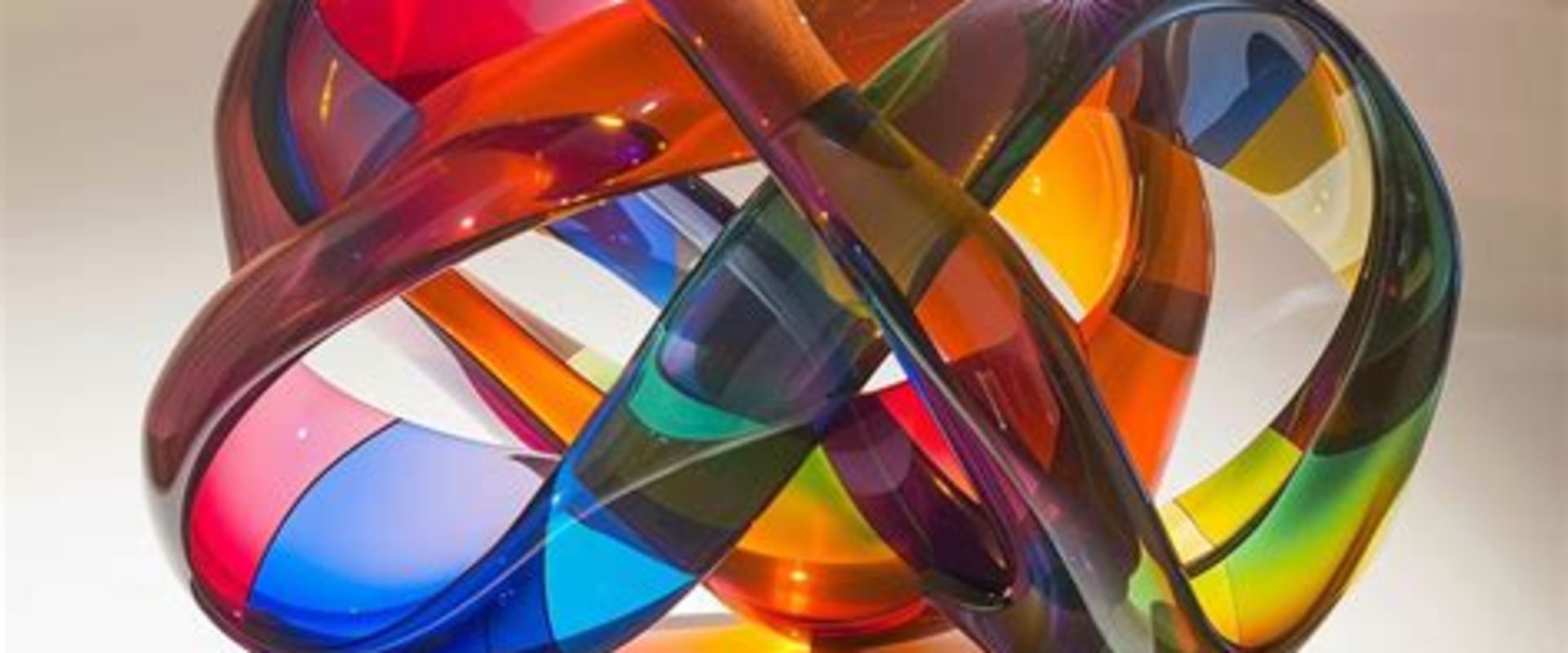
Throughout history, glass works have played a pivotal role in shaping cultural traditions and ceremonies across the globe. From ancient civilizations to modern societies, the artistry and craftsmanship involved in glassmaking have not only produced functional items but also created objects of profound significance. The shimmering beauty of glass has made it a favored medium for expressing cultural identity, spirituality, and communal values. In many cultures, glass is more than just a material; it embodies stories and traditions passed down through generations. For instance, in regions like Venice, the intricate techniques of glassblowing have become synonymous with local heritage, showcasing the skill and creativity of artisans.
Similarly, in various indigenous cultures, glass objects are often used in rituals and ceremonies, symbolizing purity, transformation, and connection to the divine. The significance of glass works extends beyond mere aesthetics. In weddings, religious ceremonies, and festivals, glass items such as stained glass windows or decorative vessels serve as focal points that enhance the spiritual atmosphere. They reflect light in mesmerizing ways, creating an ambiance that elevates the experience of the event. As we delve deeper into this topic, we will explore how different cultures utilize glass works to convey meaning and foster community bonds during significant life events.
Historical Overview of Glass Works
The history of glass works dates back to ancient civilizations, with evidence suggesting that the earliest glass objects were created around 3500 BCE in Mesopotamia.Initially, glass was a rare and precious material, primarily used for decorative purposes. The art of glass making evolved significantly during the Roman Empire, where techniques such as glassblowing were developed, allowing for more intricate designs and mass production.In ancient Egypt, glass was not only used for jewelry and ornaments but also played a role in burial practices. The Egyptians believed that glass had protective properties, which is why many tombs contained glass artifacts. This cultural significance of glass extended to other regions as well, where it was often associated with wealth and status.
Evolution Across Cultures
As glass making spread throughout Europe and Asia, different cultures adapted the craft to their own traditions.In the Middle Ages, Venetian glassmakers became renowned for their exquisite creations, particularly in Murano, where they perfected techniques that are still admired today. The cultural significance of glass during this period was profound; it was used in religious ceremonies, royal courts, and as symbols of power.During the Renaissance, the revival of interest in classical art and science led to further innovations in glass works. Artists began to incorporate glass into their masterpieces, using it to enhance the beauty of their creations. This period marked a shift where glass transitioned from a mere functional object to a medium of artistic expression.In contemporary times, glass works continue to hold cultural importance.
From stained glass windows in churches to modern art installations, the versatility of glass allows it to be a part of various ceremonies and traditions worldwide. Understanding the historical context of glass making enriches our appreciation for its role in cultural practices today.
Glass Works in Religious Ceremonies
Throughout history, glass works have played a significant role in various religious ceremonies, serving as both functional and symbolic elements. The use of glass in these rituals often reflects the spiritual beliefs and cultural values of different faiths.Glass in Religious Rituals
In many traditions, glass is used to create sacred objects that are integral to worship. For instance, in Christianity, stained glass windows are not merely decorative; they tell biblical stories and serve to inspire the faithful.These vibrant pieces of art transform light into a divine experience, symbolizing the presence of God and illuminating the path of spirituality.
Sacred Glass Works
In Buddhism, glass is often used in the creation of stupas and other sacred structures. These glass works are designed to reflect light and symbolize enlightenment. The reflective quality of glass serves as a metaphor for clarity and purity, essential concepts in Buddhist teachings.Spiritual Significance of Glass
The spiritual significance of glass extends beyond its physical properties. In many cultures, glass is seen as a medium that connects the material world with the spiritual realm.For example, in Hinduism, glass is used in ceremonial lamps (diyas) during festivals like Diwali. The light from these lamps represents knowledge and the dispelling of darkness, embodying the triumph of good over evil.
- Christianity: Stained glass windows narrate biblical tales and enhance worship spaces.
- Buddhism: Glass stupas symbolize enlightenment and reflect spiritual clarity.
- Hinduism: Glass lamps signify knowledge and the victory of light over darkness.
Cultural Symbolism of Glass Works
Throughout history, glass works have held profound symbolic meanings across various cultures, often serving as a reflection of societal values, beliefs, and traditions. The transparency and fragility of glass can symbolize clarity and purity, while its ability to be molded into intricate forms represents creativity and the human spirit's resilience.In many cultures, glass is not merely a functional object but a cultural artifact that embodies the essence of community and identity.For instance, in ancient Egypt, glass was used to create beautiful beads and amulets that were believed to offer protection and bring good fortune. These items were often buried with the deceased, signifying their importance in both life and afterlife.
Glass in Ceremonial Contexts
In contemporary practices, glass works are frequently incorporated into ceremonies such as weddings and religious rituals. The act of breaking a glass during a wedding ceremony, for example, symbolizes the fragility of relationships and the joy that can arise from shared experiences. This tradition is particularly prominent in Jewish weddings, where the breaking of the glass serves as a reminder of the destruction of the Temple in Jerusalem, intertwining joy with sorrow.Cultural Interpretations
The interpretations of glass vary widely; in some cultures, it represents transformation.The process of heating sand to create glass mirrors the transformative journey individuals undergo in their lives. In contrast, other cultures may view glass as a representation of wealth and status, with ornate glassworks signifying prosperity and artistic achievement.Moreover, the use of colored glass in religious artifacts often conveys deeper meanings. For example, stained glass windows in cathedrals not only serve an aesthetic purpose but also tell biblical stories, guiding worshippers through visual narratives that enhance their spiritual experience.In conclusion, the cultural symbolism of glass works is rich and varied, reflecting the complexities of human experience. As both functional objects and artistic expressions, they continue to play a significant role in cultural traditions and ceremonies around the world.
Glass Works in Festivals and Celebrations
Throughout history, glass works have played a significant role in various festivals and celebrations, serving not only as decorative elements but also as symbols of cultural identity and artistic expression.From intricate glass ornaments to vibrant stained glass installations, these creations enhance the aesthetic experience of communal gatherings.
Festivals
around the world often incorporate glass works in unique ways. For instance, during the Venetian Carnival, elaborate masks made from glass are worn by participants, showcasing the region's rich tradition of glassblowing. These masks are not just accessories; they represent the artistry and craftsmanship that define Venetian culture.In many cultures, glass is used in religious ceremonies and rituals. For example, in Hindu weddings, decorative glass items such as kaleidoscopes or colored glass lanterns are often used to symbolize prosperity and joy.The shimmering reflections created by these glass works add a magical quality to the celebrations, enhancing the overall atmosphere.
- Decorative Glass Traditions: Many cultures have specific traditions involving glass that are integral to their celebrations. In Mexico, for instance, blown glass ornaments are commonly used during the Day of the Dead festivities to honor deceased loved ones.
- Artistic Displays: Festivals like the Glass Art Society Conference showcase contemporary glass artists who create stunning installations that draw crowds and inspire awe. These displays not only celebrate the medium but also foster community engagement through workshops and demonstrations.
- Cultural Significance: In some regions, glass works are believed to carry spiritual significance. For example, in certain African cultures, colored glass beads are used in ceremonies to signify status and connection to ancestry.
They serve as a bridge between tradition and modernity, allowing communities to express their heritage while embracing contemporary artistic practices. As we continue to celebrate our diverse cultures, the role of glass works will undoubtedly remain a vital part of our shared human experience.
Contemporary Uses of Glass Works in Cultural Practices
In recent years, modern glass works have found a significant place in various cultural practices, bridging the gap between traditional craftsmanship and contemporary artistic expression. Artists today are not only preserving age-old techniques but are also innovating new forms that resonate with current societal themes.One notable trend is the incorporation of glass works into community rituals and celebrations. For instance, many artists are creating bespoke glass pieces for weddings, memorials, and other significant life events.These pieces often serve as symbols of unity and remembrance, reflecting the personal stories of those involved.
Artistic Collaborations
Collaborative projects between glass artists and cultural institutions have also emerged, showcasing how contemporary cultural practices can be enriched through glass art. Museums and galleries frequently host exhibitions that highlight the versatility of glass as a medium, allowing artists to explore themes such as identity, heritage, and environmental issues. These exhibitions not only celebrate the beauty of glass works but also provoke thought and dialogue within communities.Educational Initiatives
Furthermore, educational programs focusing on glass making are becoming increasingly popular. Workshops and classes aimed at both children and adults encourage participants to engage with this ancient craft.By learning the techniques of glass works, individuals gain a deeper appreciation for the material's history and its role in cultural narratives.In summary, the role of glass works in contemporary cultural practices is multifaceted. From personal celebrations to community art projects, modern interpretations of this craft continue to reflect its enduring significance in our lives. As artists push boundaries and explore new ideas, glass remains a powerful medium for storytelling and cultural expression.
FAQs about Glass Works in Cultural Traditions and Ceremonies
Glass works have a profound impact on various cultural traditions and ceremonies around the world. Here are some frequently asked questions that delve into their significance:What are some common uses of glass works in cultural ceremonies?
- Ritualistic Objects: Many cultures utilize glass works as ritualistic items, such as chalices or ceremonial vessels, which are often used in religious ceremonies.
- Decorative Elements: Glass art pieces, like stained glass windows, are commonly found in places of worship, enhancing the spiritual atmosphere.
- Symbolic Gifts: In various traditions, glass items are given as gifts during significant life events, such as weddings or births, symbolizing purity and clarity.
How does glass work reflect cultural identity?
Glass works often embody the unique artistic styles and techniques of a culture.For instance, Murano glass from Italy is renowned for its intricate designs and vibrant colors, showcasing the region's rich history in glassmaking. Similarly, Japanese glass art often emphasizes simplicity and natural beauty, reflecting the cultural values of minimalism.
What is the significance of color in glass works?
The colors used in glass works can carry deep meanings within different cultures. For example:- Red: Often symbolizes love and passion.
- Blue: Represents tranquility and peace.
- Green: Associated with nature and renewal.
Are there any specific ceremonies that prominently feature glass works?
Yes, several ceremonies highlight the role of glass works:- Weddings: Glass items like toasting flutes or decorative centerpieces are integral to wedding celebrations.
- Cultural Festivals: Events such as the Sculpture by the Sea festival showcase large-scale glass installations that celebrate community and creativity.
Conclusion: The Enduring Legacy of Glass Works in Culture
In conclusion, the role of glass works in cultural traditions and ceremonies is both profound and multifaceted. Throughout history, glass has transcended its utilitarian purpose to become a medium of artistic expression and a symbol of cultural identity.From ancient rituals to modern celebrations, glass has played a pivotal role in shaping the way communities express their beliefs and values.One of the most significant aspects of glass works is their ability to convey meaning and emotion. For instance, in many cultures, glass objects such as stained glass windows or intricately crafted vessels are not merely decorative; they serve as vessels of storytelling, encapsulating the history and traditions of a people. These pieces often reflect the spiritual beliefs and social structures of their creators, making them invaluable artifacts for understanding cultural heritage.
- Ritual Significance: In various ceremonies, glass items are used to signify purity, clarity, and transformation. For example, in weddings, glass is often incorporated into rituals to symbolize the fragility and beauty of relationships.
- Artistic Expression: The craftsmanship involved in creating glass works showcases the artistic talents of different cultures.
Techniques such as blowing, casting, and fusing have been passed down through generations, each adding unique characteristics to the art form.
- Cultural Identity: Glass works often serve as a reflection of cultural identity. They can embody local traditions, styles, and techniques that distinguish one community from another.