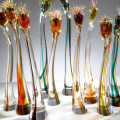
Glass works represent a fascinating intersection of art and craftsmanship, where molten glass is transformed into stunning visual masterpieces. This ancient technique has evolved over centuries, allowing artists to explore their creativity and push the boundaries of what is possible in large-scale glass art. The significance of glass works extends beyond mere aesthetics; it embodies a rich cultural heritage and showcases the skill and dedication of artisans who have honed their craft through generations. In the realm of large-scale pieces, glass blowing techniques play a pivotal role in shaping the final outcome. Artists utilize various methods to manipulate glass, creating intricate designs that can captivate audiences and evoke emotions.
Techniques such as blowing, casting, and fusing are just a few examples of how glass can be shaped and combined to form monumental installations. Each technique offers unique possibilities, allowing artists to experiment with color, texture, and form. The allure of large-scale glass works lies not only in their visual impact but also in their ability to interact with light and space. When strategically placed in public spaces or galleries, these pieces can transform environments, inviting viewers to engage with them on multiple levels. As we delve deeper into the various glass blowing techniques used in creating these impressive works, we will uncover the artistry and innovation that define this captivating medium.
The History of Glass Blowing Techniques
The art of glass blowing has a rich and storied history that dates back to ancient civilizations.The earliest known glass objects were created around 2000 BC in Mesopotamia, where artisans experimented with glass techniques that laid the groundwork for future innovations. Initially, glass was formed by casting or molding, but it wasn't until the first century BC that the technique of blowing glass was developed, likely in the region of the Roman Empire.During this period, glass blowing revolutionized the way glass was produced and manipulated. Artisans discovered that by blowing air into molten glass, they could create hollow forms, which allowed for a greater variety of shapes and sizes. This technique not only enhanced the aesthetic appeal of glass works but also made them more functional.
Ancient Glass Techniques
In ancient times, various cultures contributed to the evolution of glass blowing.The Syrians and Egyptians were particularly influential, developing intricate designs and decorative techniques that showcased their craftsmanship. The use of colored glass became prominent, with artisans incorporating minerals to achieve vibrant hues. These early techniques set a precedent for future generations of glass artists.
The Evolution of Glass Art
As time progressed, the art of glass blowing continued to evolve. By the Middle Ages, Venetian glassmakers had perfected their craft, introducing new methods such as murrine and filigrana, which involved intricate patterns and designs.The Renaissance period saw a surge in demand for decorative glass pieces, leading to innovations in both technique and design.The Industrial Revolution brought about significant changes in glass production, with mass production techniques emerging. However, traditional methods were preserved by artisans who sought to maintain the artistry of hand-blown glass. Today, contemporary glass artists draw inspiration from these historical techniques while incorporating modern technology and aesthetics into their work.Understanding the history of glass blowing is essential for appreciating contemporary practices in the field. The evolution from ancient techniques to modern artistry reflects not only advancements in technology but also a continuous dialogue between tradition and innovation in the world of glass works.
Key Glass Blowing Techniques for Large-Scale Pieces
Creating large-scale glass works requires a mastery of various glass blowing techniques that not only enhance the aesthetic appeal but also ensure structural integrity.Here are some of the most notable techniques employed by artists in this field:
- Gathering: This foundational technique involves collecting molten glass from a furnace using a blowpipe. For large pieces, artists often gather multiple times to build up the necessary mass.
- Blowing: Once the glass is gathered, the artist blows into the pipe to create a bubble. For large-scale works, this process may be repeated several times to achieve the desired size and shape.
- Marvering: This technique involves rolling the molten glass on a smooth surface called a marver. It helps in shaping and cooling the glass while maintaining its malleability.
- Punties: To manipulate larger pieces, artists often use punties—metal rods that allow them to hold and rotate the glass without touching it directly.
This is crucial for achieving intricate designs.
- Hot Sculpting: This technique allows artists to shape glass while it remains hot and pliable. It’s particularly useful for creating complex forms and textures in large installations.
Famous Techniques Explained
When it comes to creating large-scale glass works, several renowned techniques stand out, each offering unique characteristics and artistic possibilities.Understanding these methods is essential for appreciating the craftsmanship involved in glass art.
Blown Glass
Blown glass is one of the most iconic techniques in glassmaking. This method involves inflating molten glass into a bubble using a blowpipe. The artisan can manipulate the shape and size of the piece by controlling the air pressure and the movement of the glass. This technique is particularly effective for creating large vessels, sculptures, and intricate designs that showcase the fluidity of glass.Casting
Casting is another prominent technique where molten glass is poured into a mold to create solid forms.This method allows for greater detail and complexity in the final piece, making it ideal for large sculptures and architectural elements. Artists can use various molds, including sand, metal, or ceramic, to achieve different textures and finishes.
Fusing
Fusing involves layering pieces of glass and heating them in a kiln until they bond together. This technique is often used to create colorful panels or intricate designs that can be incorporated into larger installations. Fused glass can also be shaped into three-dimensional forms, adding depth to large-scale artworks.Lampworking
Lampworking, also known as torchworking, utilizes a flame to melt glass rods and tubes.While traditionally associated with smaller items like beads and figurines, skilled lampworkers can create larger pieces by assembling multiple components. This technique allows for fine detail and precision, making it suitable for artistic expressions in large-scale works.Each of these techniques contributes to the rich tapestry of glass works, showcasing the versatility and beauty of this medium. Artists often combine methods to push the boundaries of their creations, resulting in stunning large-scale pieces that captivate audiences worldwide.
The Role of Tools and Equipment in Glass Blowing
In the intricate world of glass works, the tools and equipment used in glass blowing play a pivotal role in shaping both the artist's vision and the final piece. Mastering these tools is essential for achieving precision and creativity, especially when working on large-scale glass art.Essential Tools for Glass Blowing
- Blowpipe: This long, hollow tube is fundamental for gathering molten glass and blowing it into shape.
The size and length of the blowpipe can vary depending on the scale of the piece being created.
- Punties: Used to hold and manipulate glass pieces, punties are essential for transferring hot glass from one tool to another without damaging it.
- Marver: A flat surface made of stone or metal where glass is rolled to shape and cool slightly before further manipulation. This tool is crucial for maintaining control over the glass's temperature and consistency.
- Jacks: These are specialized tools with two blades that help shape and control the glass during the blowing process. They are particularly useful for creating intricate designs and details.
- Shears: Used to cut and trim hot glass, shears allow artists to refine their work with precision.
Equipment for Large-Scale Glass Art
When it comes to creating large-scale pieces, additional equipment becomes necessary to handle the increased size and weight of the glass. Some key equipment includes:- Glory Hole: A furnace that maintains a high temperature, allowing artists to reheat large pieces of glass as they work on them.
This is crucial for preventing the glass from cooling too quickly and becoming unworkable.
- Annealer: After shaping, large glass pieces must be slowly cooled in an annealer to relieve internal stresses. This process is vital for ensuring durability and preventing cracks.
- Cranes or Lifts: For massive installations, cranes or lifts may be necessary to move heavy glass components safely during assembly.
Challenges Faced in Large-Scale Glass Works
Creating large-scale glass works presents a unique set of challenges that artists must navigate to bring their visions to life. One of the primary difficulties is the sheer size of the pieces, which can complicate the glass blowing process. The larger the piece, the more difficult it becomes to maintain consistent temperature and shape throughout the entire work.This can lead to uneven cooling, which may cause cracking or warping.Another significant challenge is the logistics involved in handling large glass pieces. Transporting these massive works requires specialized equipment and careful planning to avoid damage. Artists often need to collaborate with engineers and fabricators to ensure that their creations can be safely moved and installed.
Technical Skills and Teamwork
Large-scale glass works often necessitate a team of skilled artisans working in unison. This collaboration can be challenging, as each artist must communicate effectively and coordinate their efforts to achieve a cohesive final product.Miscommunication can lead to mistakes that are difficult to rectify once the glass has cooled.
Overcoming Obstacles
To overcome these challenges, many artists employ innovative techniques and tools. For instance, they might use jigs or molds to help shape and support the glass during the blowing process. Additionally, some artists have turned to technology, utilizing computer-aided design (CAD) software to plan their projects meticulously before beginning the physical work.Moreover, artists often rely on their experience and intuition, adjusting their methods based on real-time feedback from the material. This adaptability is crucial in large-scale projects where unexpected issues can arise at any moment.In conclusion, while creating large-scale glass works is fraught with challenges, artists continue to push boundaries through collaboration, innovation, and a deep understanding of their craft.By embracing these obstacles, they not only enhance their skills but also contribute to the evolution of glass art as a whole.
Innovations in Glass Blowing Techniques Today
In recent years, the world of glass works has witnessed a remarkable evolution, driven by both technological advancements and innovative artistic approaches. These changes are not only enhancing the aesthetic appeal of large-scale glass pieces but also expanding the possibilities of what can be achieved in glass blowing.Integration of Technology
One of the most significant innovations in contemporary glass blowing is the integration of technology. Artists are now utilizing 3D printing to create molds that allow for intricate designs that were previously impossible to achieve by hand. This method enables artists to experiment with complex geometries and forms, pushing the boundaries of traditional glass art.New Techniques in Glass Art
- Cold Working: This technique involves shaping and finishing glass after it has cooled, allowing for detailed surface textures and patterns that enhance the visual impact of large installations.
- Flameworking: Also known as lampworking, this method uses a torch to melt glass rods and tubes, enabling artists to create detailed components that can be incorporated into larger pieces.
- Glass Casting: This process allows for the creation of solid glass sculptures by pouring molten glass into molds.
It opens up new avenues for large-scale works that require substantial mass and presence.
Collaborative Projects
The rise of collaborative projects among artists, engineers, and designers has also contributed to the innovation landscape in glass blowing. By combining different skill sets, these collaborations result in unique pieces that merge functionality with artistic expression. For instance, some artists are now working with architects to create stunning glass facades that serve both aesthetic and structural purposes.As we look to the future, it is clear that the fusion of traditional techniques with modern technology will continue to shape the field of glass works. The ongoing exploration of new materials and methods promises to inspire a new generation of artists, ensuring that the art of glass blowing remains vibrant and relevant in contemporary culture.FAQs About Glass Blowing Techniques and Large-Scale Art
When it comes to glass works, many enthusiasts and artists have questions about the techniques used in glass blowing, especially for large-scale pieces.Here are some frequently asked questions that can help clarify these fascinating processes.
What are the most common glass blowing techniques?
- Blowing: This is the fundamental technique where air is blown into a molten glass gather to create a bubble, which can then be shaped into various forms.
- Molding: Glass can be shaped using molds, allowing for intricate designs and consistent shapes, especially useful in large-scale works.
- Pulling: This technique involves stretching the glass to create thin strands or shapes, often used in decorative elements of larger pieces.
- Casting: Molten glass is poured into a mold to create solid forms, which can be combined with blown elements for larger installations.
How do artists manage large-scale glass pieces?
Creating large-scale glass works requires careful planning and execution. Artists often:- Collaborate: Many large projects involve teams of artists and technicians to handle the complexity of the work.
- Use specialized equipment: Larger furnaces and tools are necessary to accommodate the volume of glass needed for big pieces.
- Plan for transportation: Large glass works must be designed with transport in mind, ensuring they can be safely moved without damage.
What safety measures are taken during glass blowing?
Safety is paramount in glass blowing, especially when working with large pieces. Key measures include:- Protective gear: Artists wear heat-resistant gloves, goggles, and protective clothing to guard against burns and injuries.
- Ventilation: Proper ventilation systems are essential to avoid inhaling harmful fumes from molten glass.
- Training: Artists undergo extensive training to understand the risks and safe practices associated with glass blowing.
Conclusion: The Artistry of Glass Works Through Techniques
In conclusion, the world of glass works is a testament to the incredible artistry and technical skill involved in creating large-scale pieces. Throughout this article, we have explored various techniques that not only enhance the aesthetic appeal of glass art but also push the boundaries of what is possible in this medium. From the intricate process of blown glass to the mesmerizing effects achieved through casting, each technique offers unique opportunities for expression.The use of murrine and frit allows artists to incorporate vibrant colors and patterns, while lampworking provides precision in detail that can transform a simple piece into a stunning focal point. The significance of these techniques extends beyond mere aesthetics; they embody the rich history and cultural heritage of glassmaking. As artists continue to innovate and experiment, we witness a dynamic evolution in the field, where traditional methods blend seamlessly with modern technology. Ultimately, the artistry of glass works lies in the ability to convey emotion and narrative through transparent materials. Each large-scale piece tells a story, inviting viewers to engage with its form and function. As we appreciate these magnificent creations, it becomes clear that the techniques employed are not just tools but integral components of the artistic journey. As we look to the future, it is exciting to imagine how emerging techniques will further redefine the landscape of glass art.
The commitment to craftsmanship and innovation ensures that glass works will continue to captivate audiences for generations to come.