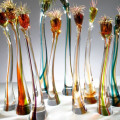
Glass is a remarkable material that has captivated artisans and scientists alike for centuries. Its unique properties make it an ideal medium for a variety of applications, particularly in the realm of glass works. One of the most striking characteristics of glass is its transparency, which allows light to pass through with minimal obstruction. This quality not only enhances the aesthetic appeal of glass objects but also plays a crucial role in how they interact with their environment. When light encounters glass, it undergoes several phenomena, including refraction and reflection.
Refraction occurs when light bends as it passes from one medium to another, such as from air into glass. This bending effect can create stunning visual distortions and effects, making glass a favored choice for artists and designers. On the other hand, reflection occurs when light bounces off the surface of the glass, adding depth and dimension to glass works. The interplay between these two interactions not only influences the visual experience but also affects how we perceive color and form. Understanding the nature of glass and its interaction with light is essential for anyone involved in glass works.
Whether crafting intricate stained glass windows or designing modern glass sculptures, artists must consider how light will enhance or alter their creations. The ability to manipulate these properties allows for endless possibilities in design and functionality, making glass a versatile and enduring medium.
Historical Significance of Light in Glass Works
The historical significance of light in glass works can be traced back to ancient civilizations, where the interplay between light and glass was not only a technical achievement but also a profound cultural expression. In ancient Egypt, glass was crafted into intricate beads and vessels, often designed to reflect and refract light, creating mesmerizing effects that were believed to hold spiritual significance.During the Roman Empire, glassmaking techniques advanced significantly, leading to the creation of window glass. This innovation allowed natural light to illuminate interiors, transforming architectural spaces.The Romans understood the importance of light in enhancing the aesthetic appeal of their structures, using colored glass to create stunning mosaics that captured and scattered sunlight.The Middle Ages saw a resurgence in glass art, particularly in the form of stained glass windows in cathedrals. These windows served not only as decorative elements but also as storytelling devices, using light to convey religious narratives. The vibrant colors and intricate designs were intended to inspire awe and elevate the spiritual experience of worshippers.In the Renaissance, glassworks evolved further with the advent of clear glass and advancements in glassblowing techniques. Artists began to experiment with light more deliberately, creating pieces that played with transparency and reflection.
Venetian glassmakers, for instance, became renowned for their ability to manipulate light through delicate forms and elaborate designs.As we moved into the modern era, the role of light in glass works continued to evolve. Artists like Louis Comfort Tiffany embraced the use of iridescent glass, which changed color depending on the angle of light. This innovation not only showcased the beauty of glass but also highlighted its potential as a medium for artistic expression.In summary, throughout history, light has been an integral component in the development of glass works. From ancient artifacts to contemporary art pieces, the relationship between light and glass has shaped cultural narratives and artistic practices across various civilizations.
Techniques for Manipulating Light in Glass Art
In the realm of glass works, the manipulation of light is a fundamental aspect that artists leverage to create stunning visual effects.Various techniques allow glass artists to interact with light in unique ways, enhancing the aesthetic appeal of their creations.
Glassblowing Techniques
Glassblowing is one of the most traditional methods used to shape glass, and it plays a crucial role in how light interacts with the material. By blowing air into molten glass, artisans can create intricate forms that reflect and refract light differently. The curvature and thickness of the glass can be adjusted to produce varying effects, from soft glows to sharp highlights. This technique allows for the creation of functional pieces like vases and bowls that not only serve a purpose but also act as light sculptures.Stained Glass Techniques
Stained glass is another prominent technique that showcases the manipulation of light.Artists use colored glass pieces, often joined by lead came or copper foil, to create intricate designs. When sunlight passes through stained glass, it transforms ordinary spaces into vibrant displays of color and pattern. The interplay between light and color can evoke different moods and atmospheres, making stained glass a popular choice for churches and public buildings.
Optical Glass
Optical glass, known for its clarity and precision, is utilized in various applications, including lenses and prisms. Artists working with optical glass can create pieces that not only capture light but also bend and focus it in fascinating ways.This technique is particularly effective in creating sculptures that play with perception, allowing viewers to experience shifting images as they move around the piece.In conclusion, the techniques used in glass works—from glassblowing to stained glass and optical glass—demonstrate the profound relationship between light and art. By mastering these methods, artists can manipulate light to enhance their creations, inviting viewers into a world where glass becomes a medium for both beauty and illumination.
The Role of Light in Modern Glass Works
In the realm of modern glass works, light plays a transformative role that extends beyond mere illumination. Contemporary artists and architects are increasingly harnessing the interplay between glass and light to create immersive experiences that challenge traditional perceptions of space and form.Light installations
have become a hallmark of modern glass art, where artists like Olafur Eliasson and James Turrell utilize glass to manipulate natural and artificial light. Eliasson’s installations often incorporate colored glass panels that refract sunlight, creating dynamic environments that shift with the time of day.This interaction not only enhances the aesthetic appeal but also invites viewers to engage with their surroundings in new ways.Architectural glass has also evolved significantly, with contemporary techniques allowing for innovative designs that maximize light transmission while maintaining structural integrity. For instance, smart glass technologies enable buildings to adjust their transparency based on external lighting conditions, optimizing energy efficiency and enhancing occupant comfort. This adaptability is particularly evident in modern skyscrapers, where expansive glass facades reflect the changing sky, creating a dialogue between the building and its environment.Moreover, the use of colored and textured glass in architectural settings can create stunning visual effects. Artists like Dale Chihuly have popularized the use of blown glass in public installations, where vibrant colors and intricate shapes interact with sunlight to produce captivating displays.
These works not only serve as focal points but also contribute to the overall ambiance of urban spaces.In summary, the role of light in modern glass works is multifaceted, influencing both artistic expression and architectural innovation. As artists and architects continue to explore this relationship, we can expect to see even more groundbreaking applications that redefine our understanding of space and light.
Light as a Symbol in Glass Works
In the realm of glass works, light serves not only as a physical element but also as a profound symbol that enhances the emotional and thematic depth of the artwork. The interplay between light and glass creates a dynamic experience, allowing artists to convey complex ideas and feelings through their creations.Symbolism of Light in Art
- Illumination: Light often symbolizes knowledge, purity, and enlightenment. In glass art, the way light refracts and reflects can evoke a sense of clarity and insight.
- Transience: The fleeting nature of light can represent the ephemeral aspects of life.
Artists may use this symbolism to comment on the passage of time or the fragility of existence.
- Hope and Renewal: Bright, vibrant colors in glass works can symbolize hope and new beginnings, inviting viewers to reflect on their own journeys.
Thematic Elements in Glass Art
Many artists incorporate themes of duality and contrast through the manipulation of light.
The juxtaposition of light and shadow in glass works can symbolize the balance between opposing forces, such as joy and sorrow or hope and despair. This thematic exploration invites viewers to engage with the artwork on multiple levels, prompting them to consider their own interpretations.In conclusion, the role of light in glass works transcends mere aesthetics; it is a vital component that enriches the narrative and emotional landscape of the art. By understanding how artists utilize light symbolically, we gain insight into the deeper meanings behind their creations.
FAQs About Light and Glass Works
When it comes to glass works, understanding the interaction between light and glass is crucial for both artists and collectors. Here are some frequently asked questions that delve into this fascinating relationship.How does light affect glass art?
Light plays a pivotal role in enhancing the beauty of glass works.The way light interacts with glass can create stunning visual effects, such as:
- Refraction: This occurs when light passes through glass, bending and creating a spectrum of colors.
- Reflection: The surface of glass can reflect light, adding depth and dimension to the piece.
- Transmission: Some glass allows light to pass through, illuminating colors and textures within the piece.
What are common misconceptions about light and glass?
Many people believe that all glass is transparent and that it only reflects or refracts light. However, there are various types of glass, such as frosted or colored glass, which can alter how light interacts with them. Additionally, the thickness and finish of the glass can significantly impact its optical properties.How should I maintain my glass art to preserve its interaction with light?
To ensure that your glass works continue to shine brightly, consider these maintenance tips:- Regular Cleaning: Use a soft cloth and a gentle glass cleaner to remove dust and fingerprints without scratching the surface.
- Avoid Direct Sunlight: Prolonged exposure to direct sunlight can fade colors and damage certain types of glass.
- Proper Display: Position your glass art where it can catch natural light without being in harsh conditions.
Conclusion: The Lasting Impact of Light on Glass Works
In conclusion, the interplay between light and glass works is a fundamental aspect that shapes not only the aesthetic appeal but also the functional properties of glass. Throughout this article, we have explored how light interacts with glass, influencing its transparency, color, and texture.This relationship is crucial for artists and manufacturers alike, as it determines how glass is perceived and utilized in various applications.The ability of glass to refract, reflect, and transmit light allows for a diverse range of creative possibilities. For instance, stained glass windows are a prime example of how light can transform a simple material into a vibrant work of art. The colors and patterns created by the interplay of light and glass can evoke emotions and enhance the ambiance of any space.Moreover, understanding the science behind light's interaction with glass can lead to innovations in design and technology. From energy-efficient windows that optimize natural light to artistic installations that play with shadows and reflections, the potential for creativity is limitless.
- Artistic Expression: Artists leverage light to create depth and dimension in their glass works.
- Functional Design: Architects use glass to enhance natural lighting in buildings, improving energy efficiency.
- Technological Advancements: Innovations in glass manufacturing continue to evolve, driven by our understanding of light.
As we continue to push the boundaries of what glass can achieve, the role of light will remain a pivotal element in shaping both art and functionality.