The world of glass works is a fascinating intersection of art and science, where creativity meets technical skill. From the earliest days of civilization, glass has played a pivotal role in human culture, serving not only as a functional material but also as a medium for artistic expression. The purpose of glass works extends beyond mere utility; it encompasses the creation of beauty, the enhancement of environments, and the preservation of history through intricate designs and forms. Historically, glass making has evolved from simple techniques used by ancient artisans to sophisticated methods employed in modern studios. This evolution reflects not only advancements in technology but also shifts in aesthetic preferences and cultural significance.
The art of glass making involves a deep understanding of materials, temperature control, and the manipulation of light, allowing artisans to create stunning pieces that captivate the eye and inspire the imagination. Moreover, the purpose of glass works can be seen in various applications—from functional items like windows and containers to decorative art pieces that adorn galleries and homes. Each piece tells a story, embodying the skill and passion of its creator while also serving a practical function. As we delve deeper into the world of glass works, we uncover not just the techniques involved but also the profound impact this craft has on our daily lives and cultural heritage.
Historical Context of Glass Works
The history of glass works dates back to ancient civilizations, where the art of glassmaking began as a mysterious and revered craft. The earliest known glass artifacts were discovered in Mesopotamia and date back to around 3500 BCE.These early pieces were often small beads or simple vessels, showcasing the initial attempts at manipulating silica and other materials to create glass.As we move through history, the ancient glass making techniques evolved significantly. By the time of the Egyptians, around 1500 BCE, glass was being used not only for decorative purposes but also for functional items such as jars and bottles. The Egyptians mastered the art of glassblowing, which allowed for more intricate designs and shapes. This innovation marked a pivotal moment in the evolution of glass art, as it opened up new possibilities for creativity and craftsmanship.The Romans further advanced glass works during their empire, introducing mass production techniques that made glass more accessible to the general populace.
They developed new methods such as mold-blowing and casting, which enabled artisans to produce a variety of glass objects quickly and efficiently. This period saw the rise of glass as a popular material for everyday use, from tableware to architectural elements.In the Middle Ages, glassmaking spread throughout Europe, with notable centers emerging in Venice and Bohemia. The Venetian glassmakers became renowned for their exquisite craftsmanship and innovative designs, producing items that were highly sought after across the continent. This era solidified glass as not just a utilitarian material but also a medium for artistic expression.Today, the evolution of glass art continues with modern techniques that blend traditional methods with contemporary technology.
Artists now experiment with various forms of glass, pushing boundaries to create stunning installations and sculptures that challenge perceptions of this ancient material.Understanding the historical context of glass works is essential for appreciating its purpose in society. From its humble beginnings to its status as a symbol of luxury and artistry, glass has played a significant role in human culture throughout history.
Types of Glass Works
Glass works encompass a variety of artistic and functional creations, each with its own unique characteristics and purposes. Understanding the different types of glass works can enhance appreciation for this versatile medium.Blown Glass
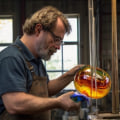
Blown glass is a technique that involves inflating molten glass into a bubble using a blowpipe. This method allows artisans to create intricate shapes and designs, ranging from delicate vases to large sculptures.The process requires skill and precision, as the glass must be manipulated while it is still hot and malleable. Blown glass pieces are often celebrated for their vibrant colors and unique forms, making them popular in both functional items and decorative art.
Stained Glass
Stained glass is another prominent type of glass work, primarily used in windows and decorative panels. This technique involves cutting colored glass into specific shapes and assembling them using lead came or copper foil. Stained glass is renowned for its ability to transform light into a spectrum of colors, creating stunning visual effects in churches, homes, and public buildings.The artistry involved in stained glass not only serves aesthetic purposes but also tells stories through its imagery.
Glass Sculpture
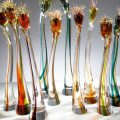
Glass sculpture represents a more contemporary approach to glass works, where artists use various techniques to create three-dimensional forms. These sculptures can range from abstract designs to realistic representations of figures or objects. Artists often combine different methods, such as casting, fusing, or slumping, to achieve their desired effects. Glass sculptures are frequently displayed in galleries and public spaces, showcasing the material's potential for creativity and expression. In summary, the world of glass works is diverse and rich with history.Each type—whether it be blown glass, stained glass, or glass sculpture—offers unique insights into the craftsmanship and artistic vision behind these beautiful creations.
The Purpose of Glass Works in Everyday Life
Glass works play a crucial role in our daily lives, serving both functional and decorative purposes. From the moment we wake up to the time we go to bed, we encounter various glass items that enhance our living experience.Functional Glass Works
- Drinkware: Glasses, mugs, and bottles are essential for hydration and enjoying beverages. Their transparency allows us to appreciate the color and texture of drinks.
- Storage Solutions: Glass containers are popular for food storage due to their non-reactive nature, ensuring that food remains fresh without altering its taste.
- Windows: Architectural glass works, such as windows and doors, provide natural light while offering insulation and protection from the elements.
- Lighting Fixtures: Glass is widely used in lamps and chandeliers, diffusing light beautifully and adding elegance to any space.
Decorative Glass Items
- Artistic Pieces: Sculptures and vases made from glass can serve as stunning focal points in home decor, showcasing craftsmanship and creativity.
- Mirrors: Beyond their practical use for reflection, mirrors enhance the aesthetic appeal of a room by creating an illusion of space.
- Stained Glass: Often found in churches and historical buildings, stained glass windows tell stories through vibrant colors and intricate designs.
Cultural Significance of Glass Works
The cultural significance of glass works extends far beyond mere aesthetics; it serves as a reflection of societal values, artistic expression, and historical context.Throughout history, various cultures have utilized glass not only for functional purposes but also as a medium for artistic exploration and cultural storytelling.In many ancient civilizations, such as the Egyptians and Romans, glass was a symbol of wealth and status. The intricate designs and vibrant colors of glass artifacts showcased the skill of artisans and the sophistication of the society that produced them. For instance, the famous Roman glassware is not just functional; it represents the technological advancements and trade networks of its time.
Glass in Art and Culture
In contemporary art, glass works have gained prominence as a medium that challenges traditional boundaries. Artists like Dale Chihuly have elevated glass to new heights, creating large-scale installations that captivate audiences worldwide.These works often explore themes of nature, fragility, and transformation, inviting viewers to reflect on their own experiences and emotions.
- Symbolism: Glass art often symbolizes fragility and beauty, reminding us of the delicate balance in life.
- Community Identity: Local glassworks can foster community identity, showcasing regional styles and techniques that celebrate cultural heritage.
- Rituals and Ceremonies: In many cultures, glass objects are integral to rituals, such as weddings or religious ceremonies, where they symbolize purity and clarity.
Modern Innovations in Glass Works
In recent years, the field of glass works has witnessed remarkable advancements driven by modern technology and innovative production methods.These innovations not only enhance the aesthetic appeal of glass products but also improve their functionality and sustainability.
Modern Glass Technology
One of the most significant breakthroughs in glass works is the development of smart glass technology. This type of glass can change its properties in response to environmental conditions, such as light and temperature. For instance, electrochromic glass can tint automatically to reduce glare and heat, making buildings more energy-efficient. Additionally, self-cleaning glass, which uses a special coating to break down dirt and grime when exposed to sunlight, is becoming increasingly popular in both residential and commercial applications.Innovations in Glass Making
The traditional methods of glass production are being revolutionized by automation and advanced manufacturing techniques.3D printing is now being utilized to create intricate glass designs that were previously impossible to achieve with conventional methods. This technology allows for rapid prototyping and customization, catering to the unique needs of consumers.
Sustainable Glass Production
Sustainability is a key focus in modern glass works. Manufacturers are increasingly adopting eco-friendly practices, such as using recycled materials in their production processes. The use of recycled glass not only reduces waste but also lowers energy consumption during manufacturing.Furthermore, innovations like solar glass, which integrates photovoltaic cells into the glass itself, are paving the way for buildings that generate their own energy.As the industry continues to evolve, these modern innovations in glass works highlight a commitment to enhancing both performance and sustainability, ensuring that glass remains a vital material in architecture, design, and technology.
FAQs About Glass Works
When exploring the world of glass works, many people have questions about its production and applications. Here are some frequently asked questions that can help clarify these topics.How is glass made?
The process of making glass involves several key steps:- Raw Materials: The primary ingredients for glass include silica sand, soda ash, and limestone. These materials are carefully measured and mixed.
- Melting: The mixture is heated in a furnace at extremely high temperatures, typically around 1700°C (3090°F), until it melts into a molten glass.
- Forming: Once melted, the glass can be shaped using various techniques such as blowing, pressing, or molding to create different products.
- Annealing: After shaping, the glass is slowly cooled in a controlled environment to relieve internal stresses, ensuring durability.
- Finishing: Finally, the glass may undergo additional processes like polishing or coating to enhance its appearance and functionality.
What are the uses of glass?
Glass works serve a multitude of purposes across various industries:- Construction: Glass is widely used in windows, facades, and interior partitions due to its aesthetic appeal and ability to allow natural light.
- Packaging: Glass containers are preferred for food and beverages because they are non-reactive and preserve flavor.
- Automotive: Safety glass is essential in vehicles for windshields and windows, providing protection while enhancing visibility.
- Artistic Expression: Artists utilize glass in sculptures, stained glass windows, and decorative items, showcasing its versatility.
- Technology: Glass is crucial in electronics, including screens for smartphones and televisions, as well as fiber optics for communication.
Conclusion: The Enduring Purpose of Glass Works
In conclusion, the purpose of glass works extends far beyond mere aesthetics; it embodies a rich tapestry of functionality, artistry, and innovation. Throughout this article, we have explored the various dimensions of glass works, highlighting its significance in both historical and contemporary contexts. One of the primary purposes of glass works is its role in architecture.From stunning facades to intricate stained glass windows, glass enhances the beauty and functionality of buildings. It allows natural light to flood interiors while providing insulation and energy efficiency. Moreover, glass works serves essential functions in everyday life. Items such as containers, tableware, and laboratory equipment are crafted from glass due to its non-reactive properties and durability. This versatility makes glass an indispensable material across various industries. Additionally, the artistic aspect of glass works cannot be overlooked.
Artists and craftsmen utilize glass to create breathtaking sculptures and installations that challenge perceptions and evoke emotions. This blend of art and utility showcases the unique ability of glass to transcend traditional boundaries. Furthermore, as we move towards a more sustainable future, the recycling potential of glass works plays a crucial role. Glass is 100% recyclable without loss of quality, making it an environmentally friendly choice that supports circular economy principles. In summary, the enduring purpose of glass works lies in its multifaceted contributions to society—enhancing our environments, serving practical needs, inspiring creativity, and promoting sustainability. As we continue to innovate and explore new applications for this remarkable material, the significance of glass works will undoubtedly remain vital in shaping our world.