Glass plays a far more important role in building performance than simply providing visibility and natural light. Modern glass work contributes directly to moisture control, energy efficiency, insulation, and the overall structural health of residential and commercial properties. Windows, glass doors, skylights, and other glass installations act as protective barriers between indoor and outdoor environments. When these systems are properly installed and maintained, they help regulate humidity levels, prevent water intrusion, and support healthier indoor conditions. However, damaged seals, poor installation practices, or aging glass systems can allow moisture to penetrate the building envelope, creating a range of long-term problems.
Moisture control is one of the most critical aspects of maintaining a safe and durable building. Excess moisture can lead to mold growth, wood rot, insulation damage, peeling paint, and weakened structural materials. Glass systems are especially vulnerable to leaks because they involve multiple connection points, seals, and framing materials exposed to changing weather conditions. Rain, condensation, and humidity can gradually compromise these areas if regular inspections and maintenance are neglected. Proper glass work helps minimize these risks by creating secure seals and reducing opportunities for moisture infiltration.
The Importance of Quality Seals and Proper Installation
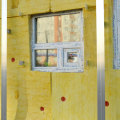
One of the primary ways glass systems support moisture control is through high-quality sealing and installation techniques. Modern windows and glass doors are designed with advanced weatherproofing features that help block water penetration while improving insulation. Proper caulking, flashing, and frame alignment are essential for ensuring moisture stays outside where it belongs. Even small gaps around glass installations can allow water to seep into walls, ceilings, or flooring over time.
Condensation management is another important factor connected to glass performance. Temperature differences between indoor and outdoor environments can create condensation on glass surfaces, particularly in areas with high humidity. Energy-efficient glass systems with insulated panes help reduce this issue by improving thermal regulation and maintaining more stable surface temperatures. This not only improves comfort but also reduces the likelihood of moisture accumulation that could eventually damage nearby materials.
Poorly installed or aging glass systems may also contribute to larger property issues such as water damage in Raleigh and similar moisture-related concerns in humid or storm-prone climates. Leaking windows or compromised seals can allow water to enter hidden areas of the structure, where damage may continue unnoticed for long periods. Thorough inspections and timely repairs help prevent these moisture problems from spreading and protect the long-term integrity of the building.
Supporting Energy Efficiency and Indoor Air Quality
Glass work also contributes to moisture control by supporting overall energy efficiency and indoor air quality. Well-insulated windows help regulate indoor temperatures, reducing strain on HVAC systems and minimizing humidity fluctuations inside the building. Stable indoor humidity levels are important because excess moisture in the air can encourage mold growth and create uncomfortable living conditions. High-performance glass systems help maintain balanced environmental conditions while improving ventilation and natural lighting.
Modern architectural designs often incorporate larger glass features to create open, bright spaces. While these designs improve aesthetics and natural light exposure, they also require careful moisture management planning. Proper drainage systems, waterproof framing materials, and professionally installed seals are necessary to ensure large glass installations remain weather-resistant and energy-efficient over time.
Routine maintenance plays an important role in preserving glass performance. Cleaning drainage channels, inspecting seals, replacing damaged caulking, and addressing cracks promptly can help extend the lifespan of windows and glass doors while preventing hidden moisture issues. Preventative care is especially important in regions with frequent storms, high humidity, or significant seasonal temperature changes.
Conclusion
Glass work is closely connected to moisture control because windows, doors, and other glass installations directly influence water resistance, insulation, and indoor environmental conditions. Proper installation, strong seals, and routine maintenance help prevent leaks, condensation, and structural moisture damage while supporting energy efficiency and healthier indoor air quality. By investing in high-quality glass systems and proactive maintenance, property owners can protect their buildings from long-term moisture-related problems and create more durable, comfortable, and efficient living spaces.