Glass works represent a unique and captivating form of artistic expression that distinguishes itself from other types of art through its intricate processes and the inherent qualities of glass as a medium. Unlike traditional painting or sculpture, which often rely on more conventional materials like canvas or stone, glass art invites artists to explore the interplay of light, color, and transparency. This dynamic interaction not only enhances the visual appeal of the artwork but also creates an immersive experience for the viewer. The significance of glass works in the art world cannot be overstated. Artists who specialize in this medium often employ a variety of techniques, such as blowing, casting, and fusing, each requiring a high level of skill and creativity.
These methods allow for a diverse range of artistic expressions, from delicate glass sculptures to vibrant stained glass windows. As a result, glass art has carved out its own niche within the broader landscape of contemporary art. Moreover, the evolution of glass as an artistic medium has been influenced by cultural and historical contexts, making it a fascinating subject for exploration. From ancient civilizations that utilized glass for decorative purposes to modern artists pushing the boundaries of what is possible with this material, glass works reflect not only individual creativity but also collective human ingenuity. As we delve deeper into this topic, we will uncover how glass art stands apart from other forms and why it continues to captivate audiences around the world.
The History of Glass Art
The history of glass art is a fascinating journey that dates back thousands of years, showcasing the evolution of human creativity and technological advancement.The earliest known glass objects were created around 3500 BCE in Mesopotamia, where artisans began experimenting with natural materials to produce small beads and vessels. This marked the inception of glass works as a form of artistic expression.As civilizations progressed, so did the techniques used in glassmaking. By the time of the Roman Empire, glass production had become more sophisticated, with the introduction of blowing techniques that allowed for the creation of larger and more intricate pieces. This period saw the emergence of glass as a luxury item, often used in decorative arts and architecture.The evolution of glass works continued through the Middle Ages, where glassmakers in Venice perfected the art of murrine and filigree, creating stunning pieces that were highly sought after across Europe.
The Renaissance further propelled glass art into new realms, with artists like Giovanni Battista Bolognini pushing boundaries and experimenting with color and form.In the 19th century, the Industrial Revolution brought about significant changes in glass production, making it more accessible to the masses. However, this period also sparked a revival of traditional techniques as artists sought to reclaim the artistry lost in mass production. The Arts and Crafts Movement emphasized handmade craftsmanship, leading to a renewed appreciation for unique glass works.Today, glass art continues to evolve, blending traditional methods with modern technology. Contemporary artists explore new forms and concepts, often addressing social issues or personal narratives through their work.
Understanding the historical significance of glass art not only enriches our appreciation for its beauty but also highlights its role as a reflection of cultural values and technological progress throughout history.
Techniques Used in Glass Works
Creating glass works involves a variety of specialized techniques that set it apart from other art forms. Each method requires a unique skill set and understanding of the material, showcasing the intricate craftsmanship involved in glass art.Glass Blowing Techniques
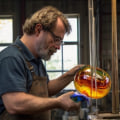
One of the most iconic methods in glass works is glass blowing. This technique involves inflating molten glass into a bubble using a blowpipe. The artist can manipulate the shape and size of the glass by controlling the airflow and using various tools.The process allows for the creation of both functional items, like vases and bowls, and artistic sculptures. The fluidity of glass during this stage offers endless possibilities for creativity.
Glass Fusing Methods
Glass fusing is another popular technique where pieces of glass are layered and then heated in a kiln until they fuse together. This method allows artists to combine different colors and textures, creating intricate designs that are often impossible to achieve through blowing alone. Fused glass can be used for decorative panels, jewelry, and even larger installations, showcasing the versatility of this technique.Glass Casting Techniques
Glass casting, on the other hand, involves pouring molten glass into a mold to create solid forms.This technique is particularly effective for producing large sculptures or complex shapes that require precision. Artists can use various types of molds, including sand molds or ceramic shells, to achieve different finishes and textures on their pieces.In summary, the diverse techniques used in glass works, such as blowing, fusing, and casting, highlight the unique nature of this art form. Each method not only requires specific skills but also allows for a wide range of artistic expression that distinguishes glass art from other mediums.
Materials and Tools in Glass Artistry
In the realm of glass works, the choice of materials and tools plays a pivotal role in defining the artistry and uniqueness of each piece. Unlike traditional art forms that may rely on paint or clay, glass artistry demands a specific set of materials that contribute to its distinct characteristics.Types of Glass Used in Art
- Blown Glass: This type is created by inflating molten glass into a bubble, allowing for intricate shapes and designs.
- Fused Glass: In this process, pieces of glass are melted together in a kiln, enabling artists to create layered effects and vibrant colors.
- Stained Glass: Often used in windows and decorative panels, stained glass incorporates colored glass pieces that are held together by lead came.
- Cast Glass: This method involves pouring molten glass into a mold, allowing for detailed textures and forms that can mimic other materials.
Each type requires different handling techniques and knowledge about how glass behaves at various temperatures.
Tools for Glass Art
The tools used in glass works are equally specialized, reflecting the unique demands of this medium. Some essential tools include:
- Torches: Used for flame-working, torches allow artists to manipulate glass rods and tubes with precision.
- Kilns: Essential for fusing and annealing glass, kilns provide controlled heating to ensure the integrity of the glass structure.
- Molds: Various molds are utilized in casting processes to shape the molten glass into desired forms.
- Cutting Tools: Specialized cutters and grinders help artists refine edges and create intricate designs.
Aesthetic Qualities of Glass Works
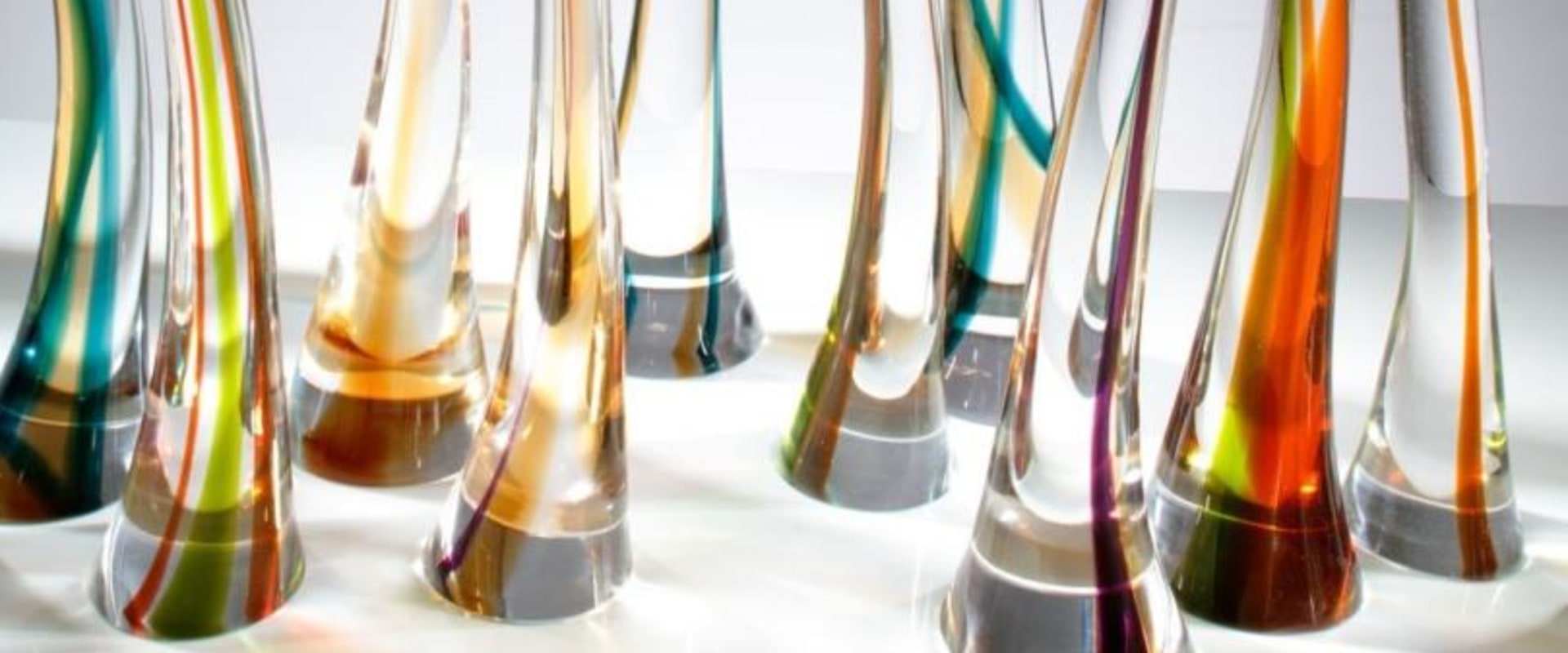
The aesthetic qualities of glass works set them apart from other art forms, creating a unique visual experience that captivates audiences. One of the most striking features of glass art is its ability to interact with light.When light passes through or reflects off glass, it creates a dynamic play of colors and shadows that can change depending on the viewer's perspective. This interaction not only enhances the visual appeal but also adds depth and dimension to the artwork.Color is another essential aspect of glass artistry. Artists often use various techniques, such as layering and fusing, to achieve vibrant hues and intricate patterns. The translucency of glass allows for a rich interplay of colors, which can evoke different emotions and atmospheres.
For instance, warm tones like reds and oranges can create a sense of warmth and energy, while cooler shades like blues and greens may impart tranquility and calmness.
Texture
also plays a significant role in the aesthetic appeal of glass works. Artists can manipulate the surface of glass through techniques such as etching, sandblasting, or adding mixed media elements. These textures can range from smooth and polished to rough and organic, inviting viewers to engage with the piece on a tactile level. The contrast between different textures can further enhance the overall beauty of the artwork.
- Light Interaction: Creates dynamic visual effects.
- Color Variety: Achieved through layering and fusing techniques.
- Texture Manipulation: Enhances tactile engagement with the artwork.
Understanding these qualities not only deepens our appreciation for glass works but also highlights their distinct place within the broader art world.
Cultural Significance of Glass Works
The cultural significance of glass works is profound, as these creations often serve as reflections of the societies that produce them. Across various cultures, glass art has been utilized not only for functional purposes but also as a medium for expressing symbolism and identity.In many ancient civilizations, such as the Egyptians and Romans, glass was considered a luxury material. It was often used in the creation of intricate vessels and decorative items that signified wealth and status. The symbolism in glass works can be seen in how these items were used in rituals or as offerings, representing the connection between the material world and the divine.Glass Art in Different Cultures
- Venetian Glass: Renowned for its exquisite craftsmanship, Venetian glass from Murano is steeped in tradition.
The vibrant colors and intricate designs often symbolize the region's rich maritime history and trade.
- Japanese Glass: In Japan, glass art is often intertwined with nature. Techniques like kintsugi, which involves repairing broken pottery with gold, reflect a cultural appreciation for imperfection and the beauty of transience.
- Middle Eastern Glass: The Middle East has a long history of glassmaking, with pieces often adorned with intricate patterns and calligraphy. These designs not only serve aesthetic purposes but also convey messages of faith and cultural heritage.
Comparing Glass Works to Other Art Forms
When comparing glass works to other art forms, such as painting and sculpture, several distinct differences emerge that highlight the unique qualities of glass as a medium.While traditional art forms often rely on pigments or solid materials, glass art incorporates transparency, light, and fluidity, creating a dynamic interaction with its environment.
Material Properties
The most apparent difference lies in the material itself. Glass is a non-porous substance that can be molded into intricate shapes and designs. Unlike paint, which is applied to a surface, glass can be shaped and blown into three-dimensional forms. This allows artists to create pieces that not only capture light but also reflect and refract it, adding depth and dimension that is often absent in flat artworks.Techniques and Processes
The techniques used in glass works are also markedly different from those employed in painting or traditional sculpture.Glassblowing, fusing, and casting are specialized processes that require a high level of skill and precision. Artists must work with molten glass at extremely high temperatures, making the creation of glass art both a physically demanding and technically challenging endeavor.
Emotional and Visual Impact
The emotional resonance of glass art can differ significantly from that of paintings or sculptures. The interplay of light through glass can evoke feelings of warmth or coolness, depending on the colors and textures used. This ability to manipulate light creates an ever-changing visual experience as viewers move around the piece, making each encounter unique.Functional vs.
AestheticAnother key difference is the potential for functionality in glass works. Many glass artists create functional pieces such as vases, bowls, or lighting fixtures that serve practical purposes while also being aesthetically pleasing. In contrast, many paintings are purely decorative and do not serve a functional role.In summary, while all art forms share the common goal of expression and creativity, glass works stand out due to their unique material properties, specialized techniques, emotional impact through light manipulation, and potential for functionality. These aspects make glass art a fascinating field that continues to evolve and captivate audiences worldwide.
Contemporary Trends in Glass Art
In recent years, the world of glass works has witnessed a remarkable evolution, driven by innovative techniques and a fresh perspective from modern glass artists.These contemporary creators are not only pushing the boundaries of traditional glassmaking but are also integrating various artistic disciplines to produce unique and thought-provoking pieces.
Modern Glass Artists
- Chihuly: Dale Chihuly remains a prominent figure in the glass art scene, known for his large-scale installations that blend color and form in mesmerizing ways.
- Josiah McElheny: His work often explores the relationship between glass and history, using the medium to comment on cultural narratives.
- Jiyong Lee: A rising star, Lee combines traditional techniques with contemporary themes, creating pieces that challenge perceptions of glass as a fragile medium.
- Mixed Media Integration: Many artists are incorporating materials such as metal, wood, and textiles into their glass creations, resulting in multi-dimensional artworks that engage viewers on multiple levels.
- Sustainability Practices: With a growing emphasis on environmental consciousness, some glass artists are utilizing recycled materials and eco-friendly processes to create their works, reflecting a commitment to sustainability.
- Interactive Installations: Contemporary glass art is increasingly becoming immersive. Artists are designing installations that invite viewer interaction, transforming passive observation into active participation.
FAQs About Glass Works
When it comes to glass works, many people have questions that can help deepen their understanding of this intricate art form.Below are some frequently asked questions that address common misconceptions and provide insights into the world of glass artistry.
- What materials are used in glass works?
Glass artists primarily use silica sand, soda ash, and limestone to create glass. These materials are melted together at high temperatures to form the base glass, which can then be manipulated into various shapes and forms. - How is glass art created?
The process of creating glass works involves several techniques, including blowing, casting, fusing, and slumping. Each method offers unique possibilities for texture, color, and form, allowing artists to express their creativity in diverse ways. - Is glass art durable?
While glass is often perceived as fragile, many glass works are surprisingly durable. Techniques such as annealing help relieve internal stresses in the glass, making finished pieces more resilient to breakage. - What distinguishes glass art from other art forms?
Unlike traditional painting or sculpture, glass works require a unique set of skills and tools.The manipulation of molten glass demands precision and timing, making it a distinct discipline within the broader realm of visual arts.
- Can anyone learn to create glass art?
Yes! While mastering the craft takes time and practice, many studios offer classes for beginners. Aspiring artists can learn the basics of working with glass under the guidance of experienced instructors.
Conclusion: The Distinctive Nature of Glass Works in Art
In conclusion, glass works stand out in the art world due to their unique combination of material properties, craftsmanship, and aesthetic appeal. Unlike traditional mediums such as painting or sculpture, glass art requires a specialized skill set and an understanding of the intricate processes involved in manipulating this delicate material.One of the most distinctive aspects of glass works is the way light interacts with the medium.The transparency and refractive qualities of glass allow artists to create pieces that not only capture light but also transform it, resulting in dynamic visual experiences. This interplay between light and glass is a defining characteristic that sets it apart from other art forms.Moreover, the techniques used in glass art, such as blowing, casting, and fusing, demand a high level of technical expertise. Artists often spend years honing their skills to master these methods, which adds a layer of complexity and depth to their creations. This dedication to craftsmanship is a hallmark of glass works, distinguishing them from more accessible art forms.Additionally, the versatility of glass allows for a wide range of artistic expression.
From functional items like vases and bowls to intricate sculptures and installations, glass can be shaped into virtually any form. This adaptability enables artists to explore various themes and concepts, making each piece a unique reflection of their vision.Ultimately, the distinctive nature of glass works lies in their ability to blend artistry with science. The fusion of creativity and technical skill results in artworks that are not only visually stunning but also rich in meaning and context. As we continue to appreciate and explore the world of glass art, it becomes clear that its unique characteristics will always hold a special place in the broader landscape of artistic expression.