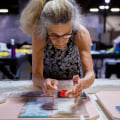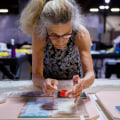
Glass is a remarkable medium that has captivated artists for centuries, offering a unique blend of beauty and versatility. Its properties—such as transparency, malleability, and the ability to refract light—allow artists to explore a wide range of shapes and forms in their glass works. Unlike traditional materials like clay or metal, glass can be transformed into intricate designs that play with light and shadow, creating dynamic visual experiences. The process of working with glass requires a deep understanding of its physical characteristics. For instance, glass can be heated to a molten state, allowing artists to shape it using various techniques such as blowing, casting, or fusing.
Each method offers distinct possibilities for creating different forms, from delicate sculptures to functional items like vases and bowls. This adaptability makes glass an exciting medium for both seasoned artisans and emerging creators. Moreover, the interaction between glass and light is a fundamental aspect that influences artistic expression. The way light passes through or reflects off glass can dramatically alter the perception of a piece, adding depth and dimension. Artists often experiment with color and texture to enhance these effects, resulting in stunning works that invite viewers to engage with them on multiple levels.
Understanding these unique properties is essential for anyone looking to appreciate or create glass art, as they form the foundation upon which innovative techniques are built.
The Basics of Glassblowing Techniques
Glassblowing is a captivating art form that combines skill, creativity, and a deep understanding of materials. At its core, the process involves manipulating molten glass to create various shapes and forms. To achieve these stunning results, artists employ a variety of glassblowing techniques that are essential for shaping the glass.One of the primary tools used in glassblowing is the blowpipe, a long metal tube through which the artist blows air into a gather of molten glass. This initial step is crucial as it forms a bubble, which serves as the foundation for further shaping.Once the bubble is created, artists can use several methods to manipulate it:
- Marvering: This technique involves rolling the molten glass on a smooth surface called a marver. It helps to cool and shape the glass while maintaining its malleability.
- Paddling: By using a paddle tool, artists can flatten or shape the glass bubble into desired forms. This method is particularly useful for creating plates or bowls.
- Blowing: As the name suggests, blowing into the pipe expands the glass bubble. Artists can control the size and shape by varying their breath and angle.
- Jacking: This technique involves using a tool called a jack to create indentations or to pull out sections of the glass, allowing for intricate designs.
The combination of heat, air, and tools allows for an incredible range of shapes—from delicate vases to complex sculptures. Understanding these fundamental techniques is essential for anyone interested in exploring the world of glass art.
Molding and Casting in Glass Art
In the realm of glass works, molding and casting are two fundamental techniques that allow artists to create intricate shapes and forms. Unlike glass blowing, which relies on the manipulation of molten glass through air pressure and movement, molding and casting involve the use of molds to shape the glass as it cools.Glass Molding
Glass molding is a process where molten glass is poured into a pre-formed mold. This technique enables artists to achieve precise shapes and details that would be difficult to replicate through blowing.Molds can be made from various materials, including metal, ceramic, or even silicone, depending on the desired finish and complexity of the design.
- Types of Molds: Artists often use different types of molds such as:
- Open molds: These allow for easy access to the glass during the pouring process.
- Closed molds: These are used for more complex shapes, trapping the glass inside until it cools.
Glass Casting
Glass casting, on the other hand, involves pouring molten glass into a mold and allowing it to solidify over time. This method is particularly favored for creating larger sculptures or pieces with intricate details. The casting process can take several hours to days, depending on the thickness of the glass and the complexity of the design.- Benefits of Casting:
- Allows for greater control over thickness and texture.
- Enables artists to incorporate multiple layers or colors within a single piece.
Ultimately, these methods expand the possibilities within glass art, allowing for a diverse range of artistic expression.
Fusing and Slumping Techniques
Fusing and slumping are two innovative techniques that allow artists to manipulate glass works into stunning shapes and forms. These methods not only enhance the aesthetic appeal of glass art but also provide artists with a versatile toolkit for creative expression.Understanding Glass Fusing
Glass fusing involves melting multiple pieces of glass together at high temperatures, typically between 1,400°F and 1,600°F. This process allows different colors and textures to blend seamlessly, creating a cohesive piece. Artists can layer various types of glass, including transparent, opaque, and even textured glass, to achieve unique visual effects.The fusing process can be controlled to create everything from smooth surfaces to intricate patterns.
The Slumping Process
Slumping, on the other hand, is a technique where pre-fused glass is heated in a mold to create specific shapes. As the glass heats up, it becomes pliable and begins to conform to the contours of the mold. This method is particularly effective for creating bowls, plates, and other functional items. The combination of slumping with fusing can lead to dynamic pieces that showcase both depth and dimension.Creating Unique Textures
Both fusing and slumping allow artists to experiment with textures in their fused glass art.By incorporating materials such as metal foils or powders during the fusing process, artists can add layers of complexity to their work. Additionally, using molds with different surface textures can result in varied finishes that enhance the overall design.In conclusion, fusing and slumping techniques are essential for artists looking to explore the limitless possibilities of glass works. These methods not only enable the creation of unique shapes but also encourage innovation in texture and form, making each piece a true reflection of the artist's vision.
The Role of Color and Texture in Glass Works
In the realm of glass works, color and texture are not merely decorative elements; they play a crucial role in shaping the viewer's perception of the artwork. The interplay between these two aspects can dramatically alter the way shapes are interpreted, enhancing the overall aesthetic experience.The Impact of Color
Color in glass art serves multiple purposes.It can evoke emotions, create focal points, and even influence the perceived dimensions of a piece. For instance, warm colors like reds and oranges tend to advance visually, making shapes appear closer to the viewer, while cool colors such as blues and greens recede, giving an illusion of depth. This dynamic can be strategically employed by artists to guide the viewer's eye and create a sense of movement within their work.
Texture's Contribution
Texture adds another layer of complexity to glass works. The surface finish—whether smooth, frosted, or etched—can affect how light interacts with the glass.A textured surface can scatter light in various directions, creating intriguing visual effects that enhance the perception of shape. For example, a piece with a rough texture may appear more substantial and grounded, while a smooth, polished surface can convey elegance and fluidity.
Combining Color and Texture
The true magic happens when color and texture are combined. Artists often experiment with layering different colors and textures to create depth and dimension. A vibrant blue glass piece with a rippled texture can evoke the feeling of water, while a deep red glass sculpture with a matte finish might suggest warmth and intimacy.This combination not only defines the physical shape but also imbues it with emotional resonance.Ultimately, understanding how color and texture influence perception is essential for appreciating the artistry behind glass works. Artists leverage these elements to transform simple materials into complex narratives that engage viewers on multiple levels.
Innovative Techniques in Contemporary Glass Art
In the realm of contemporary glass art, artists are continually redefining the boundaries of shape and form through innovative techniques. These advancements not only enhance the aesthetic appeal of glass works but also challenge traditional perceptions of the medium.One prominent technique is blown glass, which has evolved significantly. Modern artists utilize advanced tools and methods to manipulate molten glass, allowing for intricate designs and complex shapes that were previously unattainable.For instance, the use of computer-aided design (CAD) software enables artists to visualize and plan their creations with precision before executing them in glass.Another innovative method is casting glass, where artists pour molten glass into molds to create unique forms. This technique allows for greater control over the final product, enabling the incorporation of textures and patterns that enhance the visual narrative of each piece. Artists like Danny Lane have mastered this technique, producing stunning sculptures that play with light and shadow.
Fusing
is yet another contemporary technique gaining popularity among modern glass artists. By layering different colors and types of glass, artists can create vibrant, multi-dimensional works.This method not only adds depth but also allows for experimentation with color combinations and surface finishes.Moreover, the integration of technology in glass art has led to the emergence of 3D printing. This cutting-edge approach enables artists to create intricate designs that would be nearly impossible to achieve by hand. The ability to print complex geometries opens up new avenues for creativity, allowing artists to explore forms that challenge conventional aesthetics.As we look at the works of modern glass artists, it becomes evident that these innovative techniques are not just tools but are integral to their artistic expression. By pushing the limits of what is possible with glass, they continue to inspire a new generation of creators in the field.
Frequently Asked Questions about Glass Works
When exploring the world of glass works, many enthusiasts and newcomers have questions about the techniques and processes involved in creating stunning glass art.Here are some frequently asked questions that can help deepen your understanding of this intricate craft.
What are the common techniques used in glass shaping?
- Blowing: This is one of the most traditional methods where artists inflate molten glass into a bubble using a blowpipe, allowing for various shapes and sizes.
- Casting: In this technique, glass is poured into a mold to create solid forms. This method is often used for sculptures and decorative pieces.
- Fusing: Artists layer pieces of glass and heat them in a kiln until they bond together, creating unique designs and textures.
- Slumping: This involves heating glass over a mold so it takes on the shape of the mold, often used for plates and bowls.
How do artists achieve different colors in glass works?
The vibrant colors in glass works are achieved through the addition of metal oxides during the melting process. For example:- Cobalt oxide produces blue hues.
- Copper oxide can create greens and turquoise.
- Iron oxide yields shades of brown and amber.
What safety measures should be taken when working with glass?
Working with glass can be hazardous, so it’s essential to follow safety protocols:- Wear protective gear: Safety glasses, gloves, and long sleeves can protect against burns and cuts.
- Ensure proper ventilation: Fumes from melting glass can be harmful; working in a well-ventilated area is crucial.
- Use appropriate tools: Specialized tools designed for glass work help prevent accidents and ensure precision.
Conclusion: The Artistry Behind Glass Shapes and Forms
In conclusion, the world of glass works is a testament to the incredible artistry and skill that artists employ to create stunning shapes and forms. Throughout this article, we have explored various techniques that contribute to the unique characteristics of glass art, highlighting the importance of both traditional methods and innovative approaches.Artists utilize a range of techniques such as blowing, casting, and molding to manipulate glass into intricate designs.Each method offers distinct advantages and challenges, allowing for a diverse array of shapes—from delicate, flowing forms to bold, geometric structures. The choice of technique often reflects the artist's vision and the message they wish to convey through their work.
- Blowing: This technique allows for the creation of hollow forms, enabling artists to achieve both volume and lightness in their pieces.
- Casting: By pouring molten glass into molds, artists can produce complex shapes that would be difficult to achieve through other methods.
- Molding: This approach provides precision and detail, making it ideal for replicating intricate designs.
As artists continue to push boundaries and explore new possibilities within this medium, the future of glass works promises to be as dynamic and inspiring as its past.