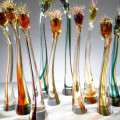
Glass works encompass a diverse range of processes and products that transform raw materials into functional and artistic glass items. This field is not only about creating everyday objects like windows and bottles but also includes intricate art pieces and architectural elements that enhance both aesthetics and functionality. The significance of glass works extends across various industries, including construction, automotive, and even technology, where the demand for innovative glass solutions continues to grow. Understanding the different types of glass is crucial in appreciating the breadth of glass works. From tempered glass used in safety applications to decorative stained glass that adorns churches and homes, each type serves a unique purpose.
The manufacturing process itself is a fascinating blend of science and artistry, involving techniques such as blowing, molding, and casting. These methods not only determine the physical properties of the glass but also its potential applications. As we delve deeper into the world of glass works, one key aspect stands out: transparency. This characteristic is not merely a physical property but a vital element that influences design choices, functionality, and even consumer perception. By exploring the significance of transparency in glass works, we can better understand how it shapes our interactions with this versatile material.
The Role of Transparency in Glass Works
Transparency in glass works is not merely a physical characteristic; it is a fundamental aspect that influences both the aesthetic appeal and functional capabilities of glass products.The clarity of glass plays a crucial role in how light interacts with the material, affecting everything from the visual experience to the structural integrity of the final product.
Importance of Transparency
- Aesthetic Appeal: Transparent glass allows for the unobstructed passage of light, creating a sense of openness and spaciousness in architectural designs. This quality is particularly valued in modern architecture, where large glass facades are used to enhance natural lighting and provide stunning views.
- Functional Benefits: In practical applications, transparency is essential for visibility. For instance, in glass containers or display cases, clear glass enables consumers to see the contents without obstruction, enhancing user experience and product appeal.
- Artistic Expression: Artists and craftsmen utilize transparency to create intricate designs that play with light and shadow. The ability to manipulate transparency allows for unique artistic expressions in glass sculptures and installations.
High-quality glass is often produced with minimal impurities, resulting in superior transparency. This clarity not only enhances visual aesthetics but also ensures that the glass can withstand various environmental conditions without compromising its appearance.Moreover, transparency in glass works can symbolize honesty and openness in design philosophy. In many cultures, clear glass represents purity and clarity of thought, making it a preferred choice for spaces intended for reflection and contemplation.In conclusion, the significance of transparency in glass works extends beyond mere visibility; it encompasses aesthetic value, functional utility, and cultural symbolism. As technology advances, the pursuit of greater clarity continues to drive innovation in glass manufacturing, ensuring that transparency remains a vital element in both art and industry.
Types of Glass and Their Transparency Levels
Understanding the different types of glass and their respective transparency levels is crucial in the field of glass works.Each type of glass serves unique purposes based on its clarity, aesthetic appeal, and functional properties.
Clear Glass
Clear glass is the most common type used in various applications, from windows to glassware. It allows maximum light transmission, making it ideal for situations where visibility is paramount. This type of glass is often used in:- Windows and doors
- Display cases
- Mirrors
Frosted Glass
Frosted glass, on the other hand, has a translucent quality that diffuses light while providing privacy. This type of glass is created by sandblasting or acid etching clear glass, resulting in a surface that scatters light.Common applications include:
- Bathroom windows
- Office partitions
- Shower doors
Tinted Glass
Tinted glass incorporates color or shading to reduce glare and heat from sunlight. This type of glass can vary significantly in its transparency levels, depending on the degree of tinting applied. Tinted glass is commonly used in:- Automobile windows
- Skyscrapers and commercial buildings
- Sunglasses
Applications of Transparent Glass in Various Industries
Transparent glass plays a crucial role in various industries, serving both functional and aesthetic purposes.Its unique properties allow for a multitude of applications that enhance design, safety, and efficiency.
Architectural Applications
In architecture, transparent glass is a fundamental material that transforms spaces. It is widely used in:- Windows and Facades: Large glass panels create open, airy environments while maximizing natural light.
- Skylights: These installations allow sunlight to flood interior spaces, reducing the need for artificial lighting.
- Glass Walls: Used in modern office buildings, glass walls promote collaboration and transparency within workspaces.
Automotive Industry
The automotive sector also heavily relies on transparent glass. Windshields and windows are designed not only for visibility but also for safety. Innovations in laminated glass technology enhance strength and reduce the risk of shattering during accidents.Additionally, tinted glass options provide UV protection and improve passenger comfort.
Artistic Uses
In the realm of art, transparent glass is celebrated for its versatility. Artists utilize it to create stunning sculptures and installations that play with light and shadow. Techniques such as blown glass and stained glass allow for intricate designs that captivate viewers and add depth to artistic expressions.The significance of transparent glass extends beyond mere aesthetics; it embodies a blend of functionality and beauty across various sectors. As technology advances, the applications of transparent glass continue to evolve, promising even more innovative uses in the future.Challenges in Achieving Transparency in Glass Works
Achieving transparency in glass works is a complex process that presents several challenges during manufacturing.These challenges can significantly impact the final product's clarity and aesthetic appeal.One of the primary issues is the presence of defects in the glass material itself. Common defects include:
- Bubbles: Air trapped during the melting process can create bubbles, leading to imperfections in transparency.
- Inclusions: Foreign particles or impurities can be introduced during production, affecting clarity.
- Surface Irregularities: Scratches or uneven surfaces can distort light, reducing the overall transparency of the glass.
Improving glass clarity
involves several strategies:
- Quality Raw Materials: Using high-purity silica and other raw materials minimizes impurities that can affect transparency.
- Refining Techniques: Implementing better refining techniques helps remove bubbles and inclusions before the glass solidifies.
- Post-Processing Treatments: Techniques such as polishing and coating can enhance surface smoothness and improve light transmission.
Innovations Enhancing Transparency in Glass Works
In recent years, the field of glass works has witnessed remarkable innovations that significantly enhance transparency and functionality.These advancements not only improve aesthetic appeal but also contribute to energy efficiency and safety in various applications.
Advanced Glass Materials
One of the most notable innovations is the development of advanced glass materials. These materials, such as low-iron glass, offer superior clarity by minimizing the greenish tint typically associated with standard glass. This type of glass is particularly beneficial in architectural applications, where maximizing natural light is essential.Smart Glass Technology
Smart glass technology represents a significant leap forward in the functionality of glass works. This technology allows for the control of light and heat transmission through the glass.For instance, electrochromic glass can change its tint in response to electrical signals, providing privacy and reducing glare without sacrificing natural light. This adaptability makes smart glass an ideal choice for modern buildings and vehicles.
Innovations in Coatings
Another area of innovation is the development of specialized coatings that enhance transparency while providing additional benefits. Anti-reflective coatings reduce glare and improve visibility, making them ideal for display cases and windows. Additionally, self-cleaning coatings utilize nanotechnology to repel dirt and grime, ensuring that glass surfaces remain clear and unobstructed.Sustainability in Glass Production
The push for sustainability has also influenced innovations in glass works.Manufacturers are increasingly using recycled materials to produce high-quality glass products, which not only reduces waste but also enhances transparency by maintaining the integrity of the material. This eco-friendly approach aligns with modern architectural trends that prioritize sustainability without compromising on aesthetics.In conclusion, the significance of transparency in glass works is being redefined through these innovations. As technology continues to evolve, we can expect even more advancements that will further enhance the clarity and functionality of glass in various applications.
FAQs About Transparency in Glass Works
When it comes to glass works, transparency is a crucial aspect that influences both aesthetic appeal and functionality. Here are some frequently asked questions regarding this important topic:- What factors affect the transparency of glass? The clarity of glass can be influenced by several factors, including the quality of raw materials, the manufacturing process, and any impurities present.
For instance, the presence of iron oxide can impart a greenish tint, reducing transparency.
- How can I improve the clarity of glass? To enhance the clarity of glass, consider using high-quality silica sand and ensuring a clean melting environment. Additionally, proper annealing processes can help eliminate internal stresses that may cause cloudiness.
- Are there different types of glass with varying levels of transparency? Yes, there are various types of glass, such as float glass, which is known for its high transparency, and frosted glass, which is intentionally made opaque for privacy. Each type serves different purposes based on its transparency level.
- What role does surface treatment play in glass transparency? Surface treatments like polishing or coating can significantly enhance the transparency of glass. These treatments help remove surface imperfections and can also add protective layers that maintain clarity over time.
Conclusion: The Lasting Impact of Transparency in Glass Works
In conclusion, the significance of transparency in glass works cannot be overstated.Throughout this article, we have explored how transparency not only enhances the aesthetic appeal of glass creations but also plays a crucial role in their functionality and durability. The ability to see through glass allows for a unique interplay of light and space, making it an essential element in architectural designs, art installations, and everyday objects.Moreover, transparency fosters a sense of trust and authenticity in the craftsmanship of glass works. When artisans embrace transparency in their processes, they invite consumers to appreciate the skill and dedication that goes into each piece. This openness not only elevates the perceived value of the work but also strengthens the connection between the creator and the audience.
- Aesthetic Appeal: Transparent glass enhances visual clarity and beauty.
- Functional Benefits: Transparency allows for natural light to permeate spaces, creating inviting environments.
- Trust and Authenticity: Transparent practices build consumer confidence in the quality of glass works.
Innovations in technology may further enhance our understanding and appreciation of this material, leading to new forms of expression that prioritize clarity and openness. Ultimately, embracing transparency not only enriches the art of glass making but also ensures its relevance in an ever-evolving world.