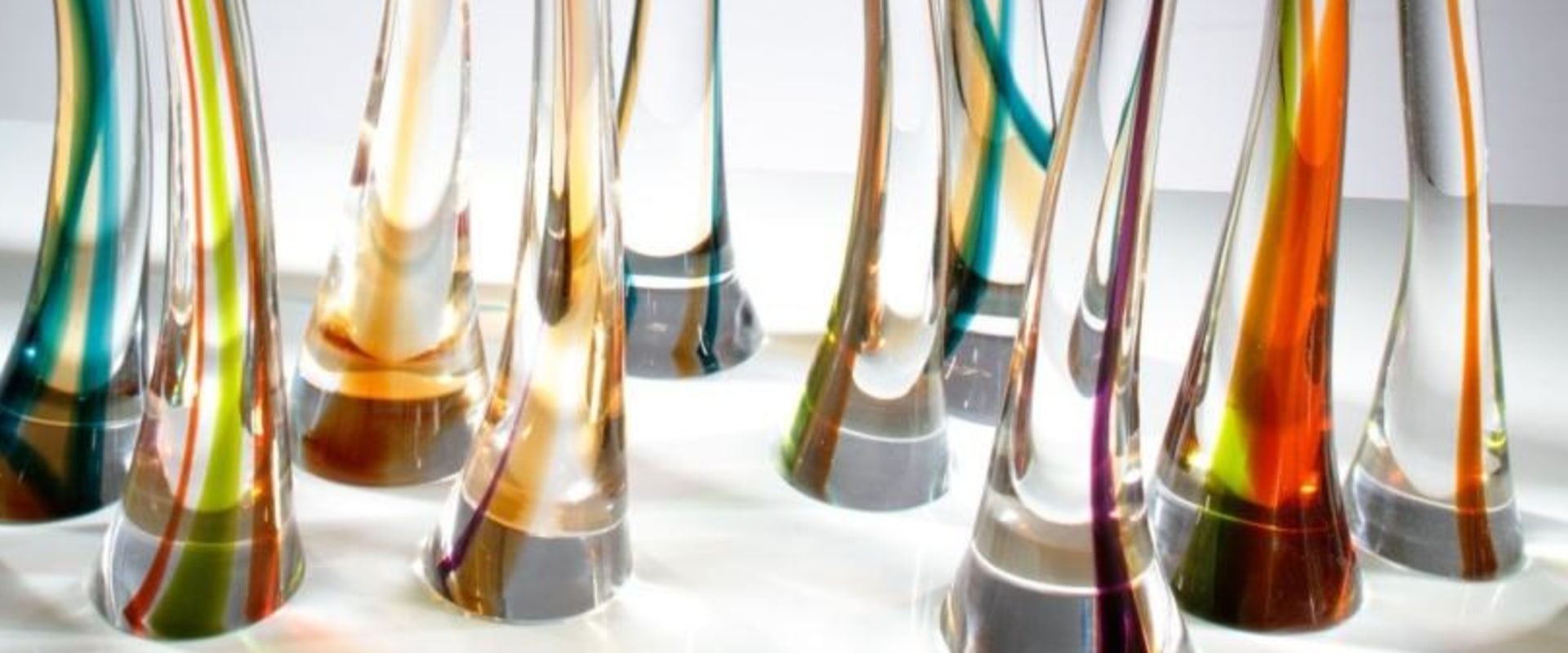
Throughout history, glass works have captivated artists and audiences alike, serving as a medium that transcends mere functionality to embody profound artistic expression. From ancient civilizations to contemporary art movements, the evolution of glass art reflects cultural shifts, technological advancements, and the innate human desire to create beauty. The shimmering allure of glass, with its ability to manipulate light and color, has made it a favored material for artisans seeking to convey emotion and narrative through their creations. The cultural significance of glass art extends beyond aesthetics; it is deeply intertwined with the social and economic fabric of communities around the world. In many cultures, glassmaking has been a traditional craft passed down through generations, symbolizing not only artistic skill but also communal identity.
Museums and galleries dedicated to glass works play a crucial role in preserving this heritage, showcasing the intricate techniques and innovative designs that define the medium. As we explore various renowned museums and galleries that celebrate glass art, we will uncover how these institutions not only honor the past but also inspire future generations of artists. Each exhibit tells a story—of creativity, craftsmanship, and cultural significance—inviting visitors to appreciate the delicate balance between art and history that glass embodies.
The Corning Museum of Glass: A Beacon of Glass Artistry
The Corning Museum of Glass, located in Corning, New York, is a premier destination for anyone interested in the art and science of glass. Established in 1951, this museum has grown to become one of the most comprehensive glass museums in the world, showcasing over 50,000 glass objects that span 3,500 years of history.One of the museum's most notable features is its extensive collection of glass art exhibitions. Visitors can explore various styles and techniques, from ancient glass artifacts to contemporary masterpieces.The museum regularly hosts special exhibitions that highlight the work of renowned glass artists, providing a platform for both established and emerging talents.In addition to its impressive collections, the Corning Museum of Glass offers live glass blowing demonstrations that captivate audiences of all ages. These demonstrations allow visitors to witness skilled artisans as they transform molten glass into stunning works of art right before their eyes. This interactive experience not only educates attendees about the intricacies of glass making but also showcases the creativity and craftsmanship involved in this ancient art form.The museum also features a state-of-the-art Glass Innovation Center, where visitors can engage with cutting-edge research and technology related to glass. This facility emphasizes the importance of glass in modern applications, from architecture to medicine, further enriching the visitor experience.For those looking to deepen their understanding of glass artistry, the Corning Museum of Glass offers workshops and classes for all skill levels.
Participants can learn various techniques, including glass blowing, flameworking, and fusing, under the guidance of experienced instructors.Overall, the Corning Museum of Glass stands as a beacon of glass artistry, inviting visitors to explore the beauty and versatility of this remarkable material through its diverse exhibits and engaging programs.
The Museum of American Glass: Celebrating American Craftsmanship
The Museum of American Glass, located in Millville, New Jersey, is a premier destination for enthusiasts of American glass art. Established to celebrate the rich history and craftsmanship of glassmaking in the United States, this museum houses an extensive collection that spans several centuries.Visitors to the museum can explore a diverse array of exhibits that showcase the evolution of glass craftsmanship. From early colonial pieces to contemporary works, the collection highlights the innovative techniques and artistic expressions that have defined American glass art. Notable exhibits include:- Colonial Glassware: Featuring exquisite examples of hand-blown glass from the 18th century, these pieces reflect the skill and artistry of early American craftsmen.
- Art Deco Glass: This section showcases vibrant colors and geometric designs that were popular in the 1920s and 1930s, illustrating the cultural influences of the time.
- Modern Glass Art: A celebration of contemporary artists who push the boundaries of glass as a medium, this exhibit includes innovative sculptures and installations.
These artifacts not only represent artistic achievement but also tell stories about the social and economic contexts in which they were created.The Museum of American Glass also hosts workshops and educational programs aimed at fostering appreciation for this unique art form. Through hands-on experiences, visitors can learn about traditional glassblowing techniques and even create their own glass pieces under the guidance of skilled artisans.In summary, the Museum of American Glass stands as a testament to the enduring legacy of American craftsmanship. Its rich collection and engaging programs make it a must-visit for anyone interested in the art and history of glassmaking.
Venice's Murano Island: The Heart of Venetian Glass Making
Located just a short boat ride from the bustling streets of Venice, Murano Island stands as a testament to centuries of exquisite glass-making tradition. Renowned for its Venetian glass, Murano has been the epicenter of glass production since the 13th century, when the Venetian government mandated that all glass furnaces be moved to this island to reduce fire hazards in the city.The island is home to several notable Murano glass museums and galleries that showcase both historical and contemporary works.One of the most prominent is the Museo del Vetro (Glass Museum), which offers visitors a comprehensive overview of the history of glass-making in Murano. The museum features an impressive collection of glass artifacts, ranging from ancient Roman pieces to modern art installations, highlighting the evolution of techniques and styles over the centuries.In addition to the museum, visitors can explore various glass workshops and galleries scattered throughout the island. These establishments not only display stunning pieces but also provide live demonstrations of traditional glass-blowing techniques. For instance, Vetreria Artistica Colleoni is famous for its intricate designs and skilled artisans who create everything from delicate chandeliers to vibrant sculptures.Another must-visit location is Galleria d'Arte Moderna , which focuses on contemporary glass art.
This gallery features works by both established and emerging artists, showcasing innovative approaches to glass as a medium. Here, visitors can appreciate how modern artists are pushing the boundaries of traditional glass-making while still honoring its rich heritage.For those interested in purchasing authentic Murano glass, numerous shops line the canals, offering everything from jewelry to home decor. However, it’s essential to look for the "Murano Glass" trademark to ensure authenticity.In summary, Murano Island is not just a destination for tourists; it is a living museum of glass works, where history and artistry converge. Whether you are an art enthusiast or simply curious about this unique craft, Murano offers an unforgettable experience that celebrates the beauty and skill of Venetian glass-making.
The Chrysler Museum of Art: A Hidden Gem in Norfolk
The Chrysler Museum of Art, located in Norfolk, Virginia, is renowned for its extensive and diverse collection of art, but it is particularly celebrated for its remarkable glass works.The museum houses one of the most significant collections of glass art in the United States, featuring pieces that span centuries and styles.Among the highlights of the museum's glass collection are historical works from the Renaissance period, showcasing the intricate techniques and artistry of glassblowers from that era. Visitors can marvel at exquisite Venetian glass, which exemplifies the skill and creativity of artisans who have perfected their craft over generations.In addition to historical pieces, the Chrysler Museum also emphasizes contemporary glass art. The museum regularly features exhibitions that spotlight modern artists who push the boundaries of glass as a medium. These exhibitions not only showcase innovative techniques but also explore themes relevant to today’s society, making them both visually stunning and thought-provoking.The museum's commitment to promoting glass art extends beyond its collection.
It offers educational programs and workshops that invite visitors to engage with the medium hands-on. These initiatives help demystify the art of glassmaking and inspire a new generation of artists and enthusiasts.Overall, the Chrysler Museum of Art stands out as a hidden gem for those interested in glass works. Its unique blend of historical significance and contemporary innovation makes it a must-visit destination for art lovers and anyone curious about the beauty and versatility of glass.
The Glass House: A Unique Architectural Marvel
The Glass House, designed by renowned architect Philip Johnson, stands as a testament to the innovative use of glass in architecture. Completed in 1949, this iconic structure is not just a residence but a profound statement on the relationship between nature and modern living.Nestled in New Canaan, Connecticut, the Glass House is part of a larger estate that includes several other structures, each showcasing different architectural styles and materials.One of the most striking features of the Glass House is its transparent walls, which allow for an uninterrupted view of the surrounding landscape. This design choice blurs the boundaries between indoor and outdoor spaces, creating a seamless integration with nature. The use of glass as a primary material not only enhances the aesthetic appeal but also challenges traditional notions of privacy and shelter.
Architectural Significance
- Minimalism: The Glass House exemplifies minimalist design principles, focusing on simplicity and functionality.
- Light and Space: The extensive use of glass maximizes natural light, creating an airy atmosphere that changes with the seasons.
- Contextual Harmony: The structure's transparency allows it to blend harmoniously with its surroundings, making it a part of the landscape rather than an intrusion.
The Glass House remains a pivotal example of how architectural glass art can redefine our understanding of space and form.Today, the Glass House operates as a museum, inviting visitors to experience firsthand the beauty and innovation of Johnson's work. Guided tours provide insights into its design philosophy and historical context, making it a must-visit destination for architecture enthusiasts and art lovers alike.
International Glass Museums: A Global Perspective on Glass Art
Exploring the world of glass works reveals a rich tapestry of artistic expression, with numerous museums and galleries dedicated to this delicate medium. These institutions not only showcase stunning pieces but also celebrate the cultural significance and historical evolution of glass art.One of the most renowned destinations for glass enthusiasts is the Corning Museum of Glass in New York, USA. This museum boasts an extensive collection of over 50,000 glass objects, ranging from ancient artifacts to contemporary masterpieces.Visitors can witness live glassblowing demonstrations and participate in hands-on workshops, making it a hub for both education and inspiration.Across the Atlantic, the Vitra Design Museum in Germany stands out for its innovative approach to design and architecture, featuring a significant collection of modern glass works. The museum often collaborates with contemporary artists to create unique installations that challenge traditional perceptions of glass.In Italy, the Murano Glass Museum on the island of Murano is a must-visit for those interested in the historic craft of glassmaking. This museum highlights the island's long-standing tradition of glass production, showcasing exquisite pieces that reflect centuries of artistry and skill.The National Glass Centre in Sunderland, UK, offers a different perspective by focusing on contemporary glass art. It features rotating exhibitions from both established and emerging artists, emphasizing innovation in glass design.Lastly, the Tokyo Glass Art Museum in Japan presents a unique blend of traditional and modern glass art, highlighting the influence of Japanese aesthetics on global glass works.
Its collection includes both local artisans' creations and international pieces, fostering a dialogue between cultures.These museums exemplify the diverse styles and cultural influences that shape glass art worldwide. Each institution not only preserves the history of this fascinating medium but also inspires future generations of artists and enthusiasts alike.
FAQs About Glass Works Museums and Galleries
Visiting glass works museums and galleries can be a fascinating experience, but potential visitors often have questions. Here are some frequently asked questions to help you plan your visit.What should I expect when visiting a glass works museum?
When you visit a glass works museum, you can expect to see a variety of exhibits showcasing the artistry and craftsmanship of glassmaking. Many museums offer live demonstrations where skilled artisans create stunning pieces right before your eyes.Additionally, you may find interactive displays that allow you to learn about the history and techniques of glass production.
Are there any famous glass works galleries I should visit?
- The Corning Museum of Glass in New York: This museum is renowned for its extensive collection of glass art and offers hands-on workshops.
- The Museum of American Glass in New Jersey: This gallery focuses on American glassmaking history and features a wide range of artifacts.
- The Chihuly Garden and Glass in Seattle: Showcasing the work of artist Dale Chihuly, this gallery is a must-see for contemporary glass art enthusiasts.
What are the best times to visit glass museums?
The best time to visit glass works museums often depends on the location. Generally, weekdays tend to be less crowded than weekends. If you're looking for special events or exhibitions, check the museum's calendar for openings or seasonal activities. Summer months may offer more workshops and family-friendly events.Do I need to book tickets in advance?
While many glass works museums allow walk-in visitors, it’s advisable to book tickets in advance, especially during peak tourist seasons or for special exhibitions.This ensures you won’t miss out on popular events or limited-time displays.By addressing these common questions, you can enhance your experience at glass works museums and galleries around the world, making your visit both enjoyable and educational.
Conclusion: The Enduring Allure of Glass Works Artistry
As we conclude our exploration of the world’s most renowned glass works museums and galleries, it becomes evident that these institutions are not merely repositories of art; they are vibrant centers of culture and creativity. Each museum offers a unique glimpse into the intricate craftsmanship and innovative techniques that define the art of glassmaking.The significance of glass works extends beyond their aesthetic appeal. They embody centuries of tradition, skill, and artistic expression, showcasing how this versatile medium can transform light and space. From the delicate elegance of Venetian glass to the bold contemporary pieces found in modern galleries, the diversity within this art form is truly remarkable.Visiting these museums provides an opportunity to appreciate the labor-intensive processes involved in creating glass art.Many institutions also offer workshops and demonstrations, allowing visitors to engage with the craft firsthand. This interactive experience not only deepens one’s understanding but also fosters a greater appreciation for the artists behind these stunning creations.In summary, the allure of glass works lies in their ability to captivate and inspire. Whether you are an art enthusiast or a casual visitor, exploring these cultural treasures can enrich your perspective on both art and history. We encourage you to seek out local galleries or plan trips to renowned museums around the globe.
Each visit promises a unique journey through the enchanting world of glass artistry.