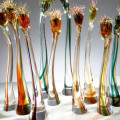
Glass works represent a unique intersection of art and craftsmanship, where the fluidity of molten glass transforms into stunning visual forms. Artists have long recognized that the textures and finishes applied to glass can significantly enhance its aesthetic appeal and functional qualities. By manipulating these elements, they create pieces that not only captivate the eye but also evoke a deeper emotional response from the viewer. The importance of textures in glass cannot be overstated. Textures can range from smooth and polished surfaces to rough, matte finishes that invite touch and interaction.
Each texture tells a story, adding depth and dimension to the artwork. For instance, a piece with a frosted finish may convey a sense of tranquility, while intricate patterns can evoke feelings of complexity and movement. These tactile qualities encourage viewers to engage with the work on multiple sensory levels, making the experience of glass art more immersive. Similarly, the choice of finishes in glass art plays a crucial role in defining the overall character of a piece. Finishes can enhance color vibrancy, reflect light in captivating ways, or create an illusion of depth.
Techniques such as sandblasting, polishing, or applying metallic coatings allow artists to explore a wide range of visual effects. This versatility not only showcases the artist's skill but also invites collectors and enthusiasts to appreciate the multifaceted nature of glass as a medium.
The Role of Texture in Glass Art
Texture plays a pivotal role in glass works, enhancing both the visual and tactile experience of the artwork. Artists utilize various techniques to create distinct textures, each contributing to the overall aesthetic and emotional impact of the piece.Types of Textures in Glass Art
- Frosted Texture: Achieved through sandblasting or acid etching, this technique creates a soft, diffused appearance that softens light and adds depth.
- Patterned Texture: Artists can incorporate patterns through molds or by layering different glass types. This can include geometric shapes, organic forms, or intricate designs that catch the light in unique ways.
- Rough Texture: By leaving surfaces unpolished or using techniques like frit casting, artists can create a raw, natural feel that contrasts with the smoothness typically associated with glass.
- Relief Texture: This involves creating raised designs on the surface of the glass, adding dimension and shadow play that enhances visual interest.
A rough surface may invite touch, while a smooth finish might encourage admiration from a distance. Furthermore, textures can evoke different emotions; for instance, a frosted finish may convey tranquility, while sharp patterns might suggest energy and movement.Incorporating texture into glass art is not merely an aesthetic choice; it is a fundamental aspect that shapes the viewer's experience. By understanding how different textures affect glass works, artists can make informed decisions that enhance their creative expression and engage their audience more deeply.
Common Techniques for Creating Textures in Glass Works
Artists employ a variety of techniques to create unique textures in their glass works, each contributing to the overall aesthetic and tactile experience of the piece. Here are some of the most common methods:- Sandblasting: This technique involves using high-pressure air to propel sand particles against the surface of the glass.
The result is a frosted appearance that can vary in depth and texture, allowing artists to create intricate designs or patterns.
- Etching: Similar to sandblasting, etching uses acid or abrasive materials to remove layers from the glass surface. This method allows for more detailed and precise designs, making it ideal for creating fine lines and delicate textures.
- Molding: Artists can create textures by shaping molten glass in molds. This technique allows for a wide range of textures, from smooth and glossy to rough and organic, depending on the mold's design.
- Frit Casting: Frit is crushed glass that can be used to add texture when melted into a base layer. By layering frit in different colors and sizes, artists can achieve a variety of effects, from subtle gradients to bold patterns.
- Blowing Techniques: Glassblowers can manipulate the surface texture while shaping the glass.
Techniques such as marvering (rolling the glass on a smooth surface) can create unique patterns and textures that enhance the visual appeal.
Exploring Finishes: Enhancing Glass Works
When it comes to glass works, the application of various finishes can significantly enhance both the aesthetic appeal and functionality of the pieces. Artists often experiment with different techniques to achieve unique textures and visual effects that elevate their creations.Types of Finishes for Glass
- Frosted Finish: This technique involves sandblasting or acid etching the surface of the glass, resulting in a soft, matte appearance. Frosted glass is popular for its ability to diffuse light while maintaining privacy.
- Polished Finish: A polished finish gives glass a shiny, reflective surface.
This is achieved through grinding and buffing, making the glass appear more vibrant and enhancing its color depth.
- Textured Finish: Artists can create various textures by manipulating the glass during the blowing or casting process. Techniques such as ribbing, corrugation, or using molds can add tactile elements that invite touch.
- Painted Finish: Using specialized glass paints, artists can add intricate designs or colors to their works. This finish allows for personalization and can transform a simple piece into a stunning work of art.
- Coated Finish: Applying coatings such as metallic or iridescent layers can change how light interacts with the glass. These finishes can create striking visual effects that shift with the viewer's perspective.
For instance, a frosted finish may be ideal for privacy in architectural applications, while a polished finish might be preferred for decorative items that showcase color and light.Incorporating different finishes allows artists to express their creativity and push the boundaries of traditional glass art. By understanding how each finish affects both form and function, artists can make informed choices that enhance their overall vision for their glass works.
Techniques for Applying Finishes to Glass Works
Artists employ a variety of techniques for applying finishes to their glass works, each contributing unique aesthetic qualities and enhancing the overall visual impact of the piece. Understanding these methods is essential for both creators and enthusiasts alike.Polishing
One of the most common techniques is polishing, which involves using abrasives to smooth the surface of the glass. This process not only enhances clarity but also adds a reflective quality that can transform the appearance of the artwork.Artists often use a series of progressively finer grits to achieve a high-gloss finish, ensuring that every facet of the glass catches the light beautifully.
Coating
Coating is another popular method, where artists apply a layer of material over the glass surface. This can include:- Clear coatings that protect the glass while enhancing its color and shine.
- Colored coatings, which can add depth and vibrancy to the piece.
- Textured coatings, which create a tactile surface that invites interaction.
Painting
Painting on glass is another technique that artists utilize to add intricate designs or patterns. Specialized glass paints are used, which adhere well to the surface and can withstand heat and washing. This method allows for great creativity, enabling artists to incorporate detailed imagery or abstract designs into their works.In conclusion, the choice of finishing technique significantly influences the final appearance and feel of glass art.By mastering these methods—polishing, coating, and painting—artists can elevate their creations, making each piece not just a work of art but also an exploration of texture and finish.
Inspiration from Nature: Textures and Finishes in Glass Art
Artists often find profound inspiration in the natural world, translating the intricate details of nature into their glass works. The textures and finishes they create not only reflect the beauty of the environment but also evoke emotions and memories associated with it.One common approach is to mimic the organic textures found in nature. For instance, artists may replicate the roughness of tree bark or the smoothness of river stones through various glass-blowing techniques. By incorporating these elements, they create pieces that resonate with viewers on a deeper level.Techniques for Natural Textures
- Frit and Powder: Using crushed glass (frit) or powdered glass allows artists to achieve a variety of textures.
When applied to a surface, these materials can create a sandy or gritty finish reminiscent of natural landscapes.
- Layering: By layering different colors and types of glass, artists can simulate the depth and complexity found in natural formations like sedimentary rocks or coral reefs.
- Etching and Sandblasting: These techniques can add intricate patterns that mimic the delicate veins of leaves or the ripples on water surfaces, enhancing the organic feel of the artwork.
This dynamic relationship not only adds visual interest but also invites viewers to engage with the piece from multiple angles.Ultimately, by drawing from nature's vast palette of textures and finishes, artists create glass art that is not only visually stunning but also rich in meaning and connection to the world around us.
Case Studies: Notable Artists and Their Techniques
In the realm of glass works, several artists stand out for their innovative techniques in incorporating various textures and finishes. These artists not only push the boundaries of traditional glassmaking but also inspire others in the field.1.Dale Chihuly
Dale Chihuly is perhaps one of the most recognized names in contemporary glass art. His use of vibrant colors and organic forms is complemented by a variety of textures. Chihuly often employs techniques such as blown glass and mosaic to create intricate patterns that invite viewers to explore the surface details of his pieces.For instance, his series of Macchia bowls showcases a unique combination of smooth and textured surfaces, achieved through layering different glass types.
2.Lino Tagliapietra
Lino Tagliapietra, an Italian maestro, is known for his mastery in glassblowing. His works often feature a combination of polished and matte finishes, creating a striking contrast that enhances the visual appeal. Tagliapietra's technique involves manipulating the glass while it is still molten, allowing him to create textures that resemble natural elements like water or stone.3.Judith Schaechter
Judith Schaechter is celebrated for her stained glass works that incorporate detailed imagery and rich textures. She uses a technique called sandblasting, which allows her to create depth and dimension in her pieces.By selectively sandblasting certain areas, she achieves a range of finishes from smooth to highly textured, adding complexity to her storytelling through glass.
4.Josiah McElheny
Josiah McElheny’s work often explores the relationship between glass and light, utilizing various finishes to manipulate perception. His use of reflective surfaces combined with matte textures creates a dynamic interplay that changes with the viewer's perspective. McElheny’s approach emphasizes how texture can alter the experience of viewing glass works.These artists exemplify how diverse techniques in texture and finish can transform glass art, making it not just visually stunning but also conceptually rich. Their contributions continue to influence emerging artists and expand the possibilities within this medium.FAQs About Textures and Finishes in Glass Works
When exploring the world of glass works, many enthusiasts and artists have questions about the various textures and finishes that can be achieved.Here are some frequently asked questions that provide insight into this fascinating aspect of glass art.
What are the different types of textures in glass works?
- Frosted: This texture is created by sandblasting or acid etching, resulting in a soft, diffused appearance that obscures visibility while allowing light to pass through.
- Textured: Artists can create patterns or designs on the surface of the glass through techniques like molding or using textured rollers, adding depth and interest.
- Polished: A smooth, shiny finish achieved through grinding and polishing, enhancing clarity and brilliance in the glass.
- Rough: This finish retains a more natural look, often used in art pieces to evoke a sense of rawness and organic beauty.
How do finishes affect the overall look of glass art?
The finish of a glass piece can dramatically alter its aesthetic appeal. For instance, a polished finish can enhance color vibrancy and light reflection, making it ideal for decorative items. In contrast, a frosted finish can create a more subdued and elegant look, perfect for functional pieces like lamps or vases.Can textures be combined in glass works?
Yes! Many artists experiment with combining different textures to create unique effects. For example, a piece might feature both polished and frosted areas, allowing for a dynamic interplay of light and shadow.This technique not only adds visual interest but also invites viewers to explore the piece from various angles.
What tools are commonly used to create textures and finishes?
- Sanding tools: Used for creating rough or smooth surfaces.
- Acid baths: Employed for achieving frosted finishes.
- Molds: Essential for shaping textured patterns during the glassblowing process.
Conclusion: The Impact of Textures and Finishes on Glass Works
In conclusion, the incorporation of various textures and finishes in glass works plays a pivotal role in defining the aesthetic and functional qualities of the art form. Throughout this exploration, we have seen how artists utilize techniques such as frosting, etching, and polishing to create distinct visual effects that enhance the viewer's experience.The choice of texture not only influences the appearance of the piece but also affects how light interacts with the glass. For instance, a matte finish can diffuse light softly, creating a serene ambiance, while a glossy surface can reflect light dramatically, adding vibrancy and energy to the artwork. This interplay between light and texture is crucial in elevating the overall impact of glass art.Moreover, different finishes can serve practical purposes as well.Textured surfaces can provide grip or reduce glare, making glass pieces more functional in everyday use. Artists often consider these aspects when designing their works, ensuring that beauty does not come at the expense of usability.As we have discussed, the integration of textures and finishes is not merely an aesthetic choice; it is a fundamental aspect of how glass works are perceived and appreciated. By experimenting with various techniques, artists can push the boundaries of traditional glass art, inviting viewers to engage with their creations on multiple levels.Ultimately, the impact of textures and finishes in glass works is profound. They transform simple materials into captivating pieces that resonate with emotion and meaning, showcasing the artist's vision and skill.
As this art form continues to evolve, we can expect to see even more innovative uses of texture and finish that challenge our perceptions and deepen our appreciation for glass as a medium.